Beaches & Swimming
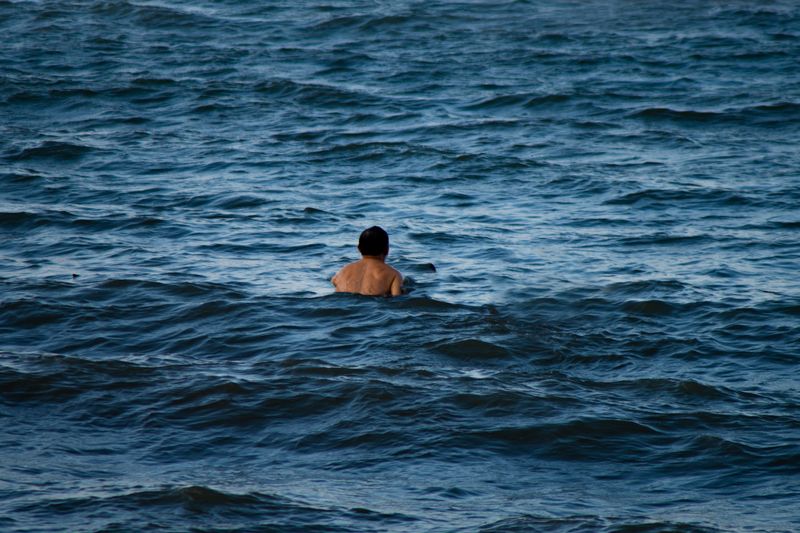
Cold Water Shock Happens in the First Minute
The dangerous part of a cold swim is the involuntary gasp at entry, not the temperature you eventually get used to.
Water, tides, safety and beaches that reward turning up early.
21 articles · updated August 11, 2026 · page 1 of 2
Beaches & Swimming
A rip is water finding its way back out to sea, and the response that works is the opposite of the instinctive one.
Beaches & Swimming
The dangerous part of a cold swim is the involuntary gasp at entry, not the temperature you eventually get used to.
Beaches & Swimming
The colours are a formal signalling system, and a red flag is an instruction rather than a suggestion about the view.
Beaches & Swimming
Water changes temperature slowly, so the sea lags the season by about two months in both directions.
Beaches & Swimming
Tidal streams run hardest in the middle of a tide and almost stop near the turn, which changes a swim entirely.
Beaches & Swimming
Body size, movement, wind and what you do afterwards all change the length of a safe swim as much as the water does.
Beaches & Swimming
The gradient at the waterline decides how the waves break, how deep it gets and how hard it is to walk back out.
Beaches & Swimming
Rainfall moves things off the land and out of drainage systems into the sea, and the effect is measured in days rather than hours.
Beaches & Swimming
The realistic hazards of a swim are mostly minor, seasonal and avoidable with footwear and a habit of looking at the sand.
Beaches & Swimming
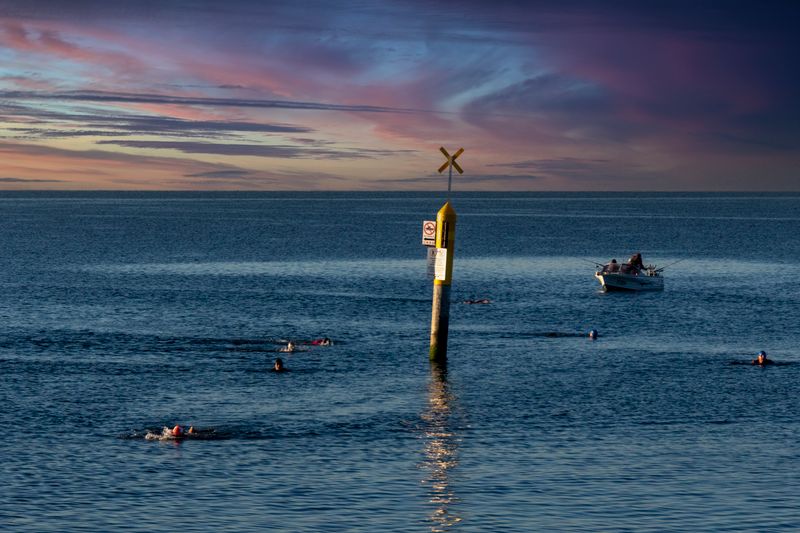
The daily sea breeze cycle means most coasts are calmest at dawn, which is why swimmers and small boats are early risers.
Beaches & Swimming
Entry is downhill, warm and voluntary; the exit is uphill, cold-handed and often into the exact place the waves are breaking.
Beaches & Swimming
Open water has no lane rope, and a small steering error compounds into a long detour over a few hundred metres.