Beaches & Swimming
The Flattest Water of the Day Is Usually Before Breakfast
The daily sea breeze cycle means most coasts are calmest at dawn, which is why swimmers and small boats are early risers.

What follows is the working version of the daily sea breeze cycle: the decisions in the order you actually meet them, with the reasoning attached.
Before you start
- Sea breezes build through the day as the land heats.
- Mornings on many coasts are calmer than afternoons in settled weather.
- The cycle is weaker or absent under strong synoptic winds.
Why the wind builds after breakfast
Land heats faster than water under the same sunshine, and the warm air over the land rises through the morning. Cooler air is drawn in from over the sea to replace it, which is the sea breeze you feel by late morning. The breeze strengthens as the temperature difference grows, typically peaking in the middle of the afternoon.
It eases in the evening as the land cools and can reverse overnight into a light offshore land breeze. That daily cycle explains most of the difference between a glassy dawn and a choppy afternoon in settled weather.
What this means in practice
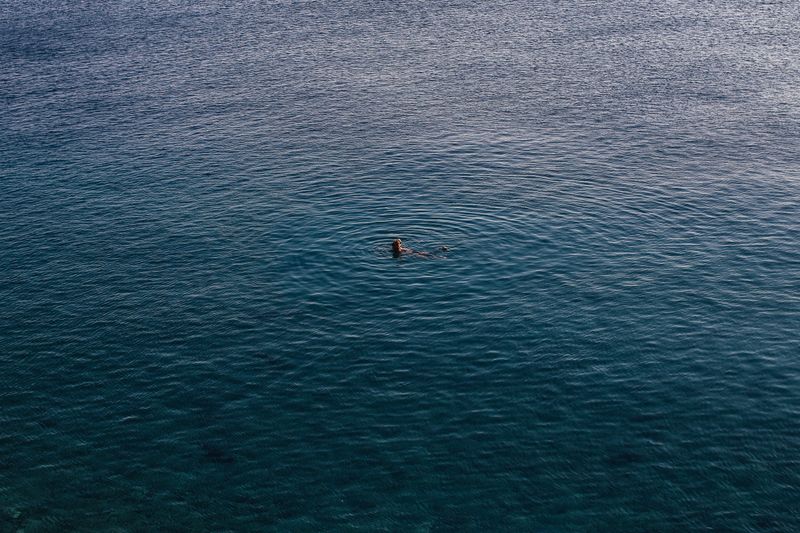
On a settled summer coast, the water is usually calmest, clearest and quietest in the first hours after sunrise. Small boats, sea kayakers and open water swimmers all cluster in that window for exactly that reason.
Snorkelling visibility is often significantly better before the breeze stirs the shallows and lifts fine sediment. Beaches are also empty at that hour, so the parking problem and the crowding problem solve themselves. Setting an alarm buys more from a coastal holiday than almost any other decision.
When the cycle does not apply
A strong regional weather system overwhelms the local breeze, and the wind then blows all day regardless of heating. Overcast days reduce the land heating that drives the effect, so the breeze is weaker or does not develop.
With the tide out, some coasts have a well-known local wind with its own pattern, and residents will name it and describe its habits. Ocean swell is entirely independent of the local breeze and can be running large on a windless morning. Checking both the wind forecast and the swell forecast avoids assuming a calm dawn will be a flat one.
Offshore and onshore, and what they do
An offshore breeze flattens the surface of the waves and holds them up as they break, which surfers value highly. It also pushes anything floating away from the shore, which is why inflatables and paddleboards are a hazard in it.
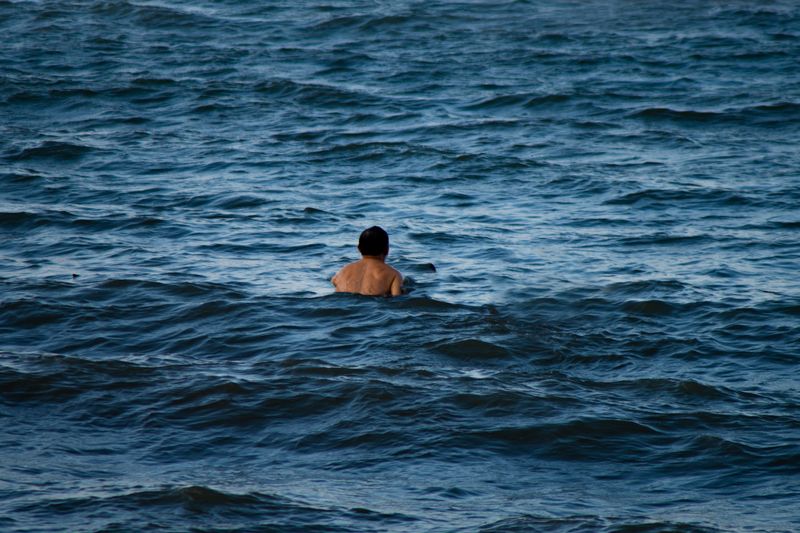
When the wind turns, an onshore breeze creates chop, pushes material toward the beach and generally makes swimming less pleasant. A light land breeze at dawn is the calmest condition most coasts offer and is also the one that carries you out.
Anyone on a board or an inflatable should treat an offshore wind as a reason to stay very close in.
Using the evening instead
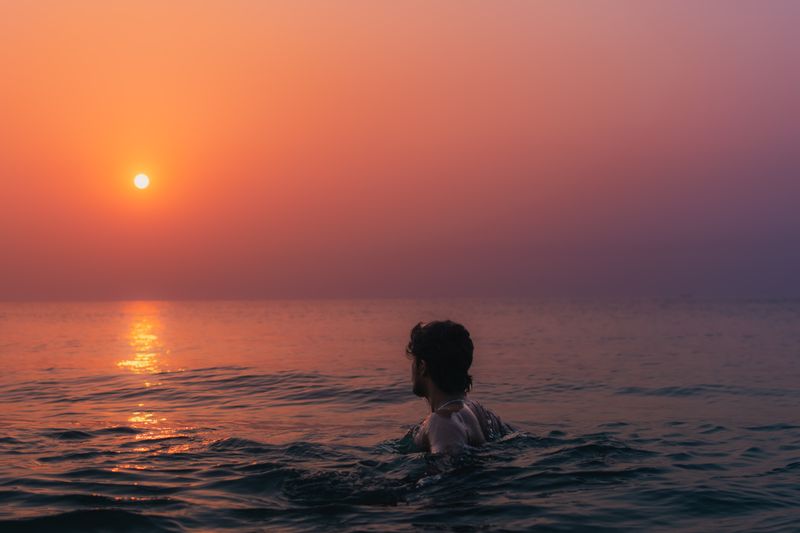
The breeze often drops again in the last hour or two of daylight as the land loses its heat. Evening swims can be nearly as calm as morning ones and the water is at its warmest point of the day. Visibility may still be reduced from the afternoon's stirring, so snorkelling is generally better at dawn.
Insects can be more active at dusk on some coasts, especially near marsh, dune slacks and standing water. The main constraint is light, and swimming close to darkness is a poor idea on any unfamiliar coast.
Prices and opening hours on a seasonal coast are close to fiction outside the season.
Planning a day around the wind
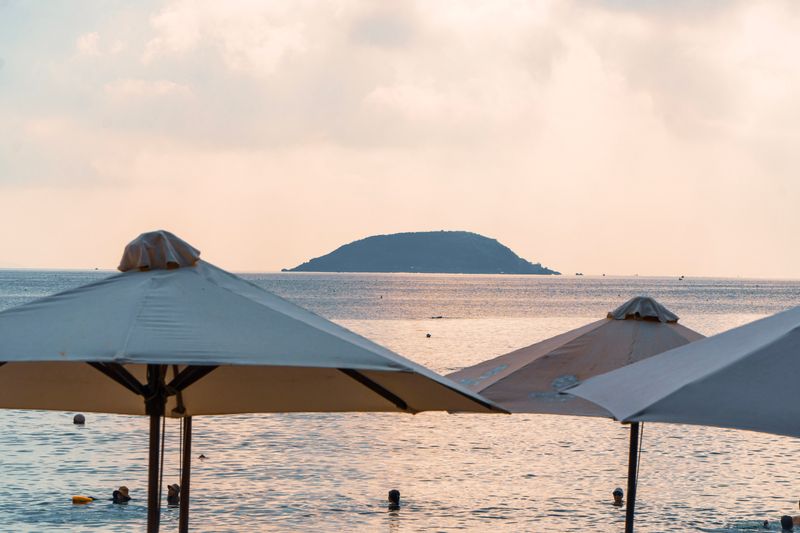
Do the water activity first, the walking in the middle of the day and the sheltered things when the breeze peaks. Choose a beach with a lee aspect for the afternoon rather than fighting the exposed one you used at dawn. Beach umbrellas and windbreaks become a nuisance and a hazard at the point where the breeze is fully developed.
Before the first ferry, a hot, still morning on a sunny coast is a strong indication that the afternoon will be windy. Reading the day this way turns weather from something that happens to you into something you plan around.
The takeaway
Get in the water before the land warms up and the breeze arrives.
Weather is the itinerary. Everything else is a preference.
Questions readers ask
Is the sea always calmer in the morning?
In settled weather on most coasts, yes, because the sea breeze needs the day to build. Under a strong weather system, or with ocean swell running, the morning can be just as rough.
Why is snorkelling better early?
Less wind means less surface chop and less fine sediment stirred up in the shallows, so light penetrates better and visibility improves.