Seasons & Weather
The Swell Arrives From a Storm You Never Saw
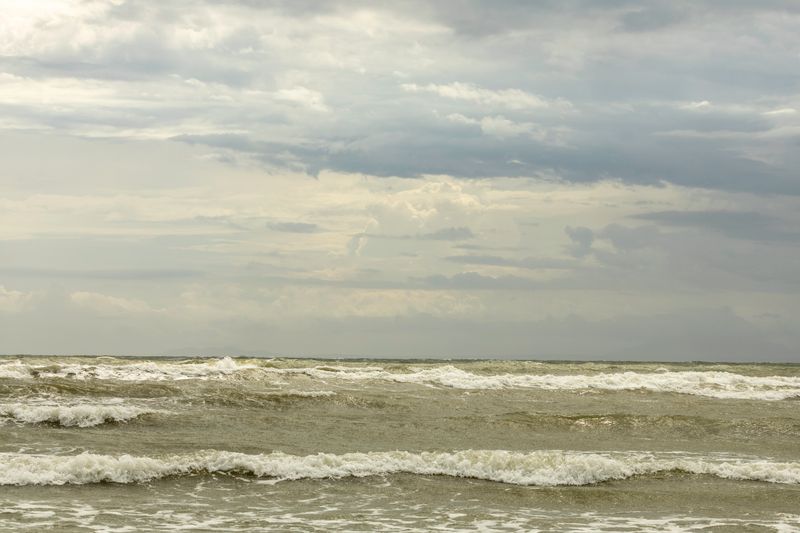
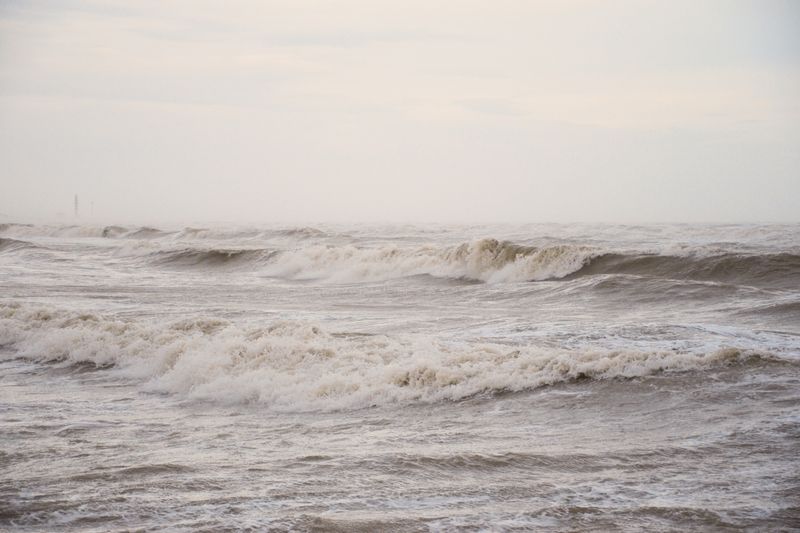
Waves outlive the wind that made them and travel for days, which is why a blue sky can come with a closed beach.
Wind, swell, shoulder seasons and when a coast is at its best.
21 articles · updated August 11, 2026 · page 1 of 2
Seasons & Weather
The months either side of peak often have better conditions, and the real variable is what is open rather than what the sky does.
Seasons & Weather
Waves outlive the wind that made them and travel for days, which is why a blue sky can come with a closed beach.
Seasons & Weather
The same twenty knots can be a perfect day or an unusable one depending entirely on which way it is coming from.
Seasons & Weather
The direction of the breeze decides where the sand goes, how clear the water is and whether an inflatable is a hazard.
Seasons & Weather
Warm air moving over cold water condenses, which is why a coast can be grey and cold while ten kilometres inland is sunny.
Seasons & Weather
Warmer water, quieter beaches and more settled weather often coincide well after the peak weeks have finished.
Seasons & Weather
The first things a coastal storm removes are the connections, and they come back more slowly than the weather does.
Seasons & Weather
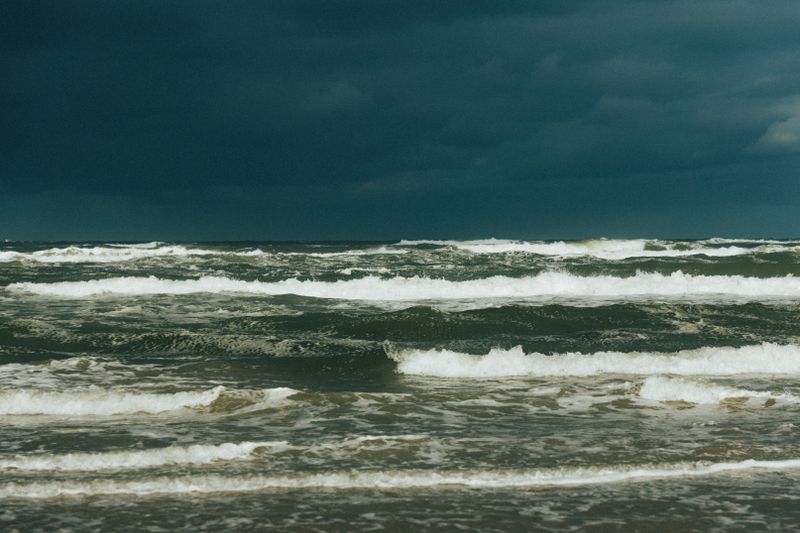
Where a wet season brings sustained onshore wind and heavy surf, swimming bans are safety measures rather than formalities.
Seasons & Weather
Low sun, long shadows and short days change how a shoreline looks and how a day on it has to be structured.
Seasons & Weather
Tidal range swings on a fortnightly cycle, and it changes how much beach exists, how strong the currents run and what you can reach.
Seasons & Weather
On tropical coasts the shoulder season sits against a hazard season, and the trade-off is different from a temperate one.
Seasons & Weather
The breeze that makes a beach feel comfortable also removes every warning signal your body normally gives you about sun and…