Harbour Towns
Why Harbour Towns Eat Early and Shut in the Afternoon
Kitchens in a working port keep the hours of the people who work there, which are set by boats rather than by holidays.
Working ports, fishing towns and the places that were never built for visitors.
21 articles · updated August 11, 2026 · page 1 of 2
Harbour Towns
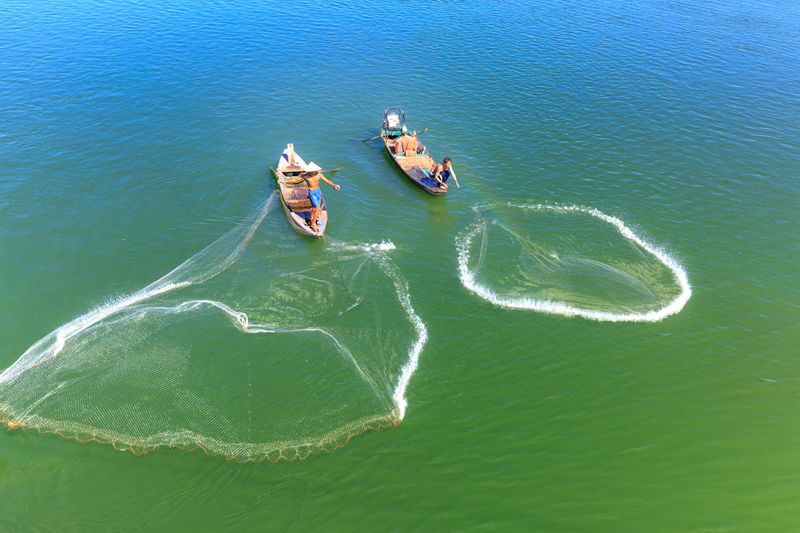
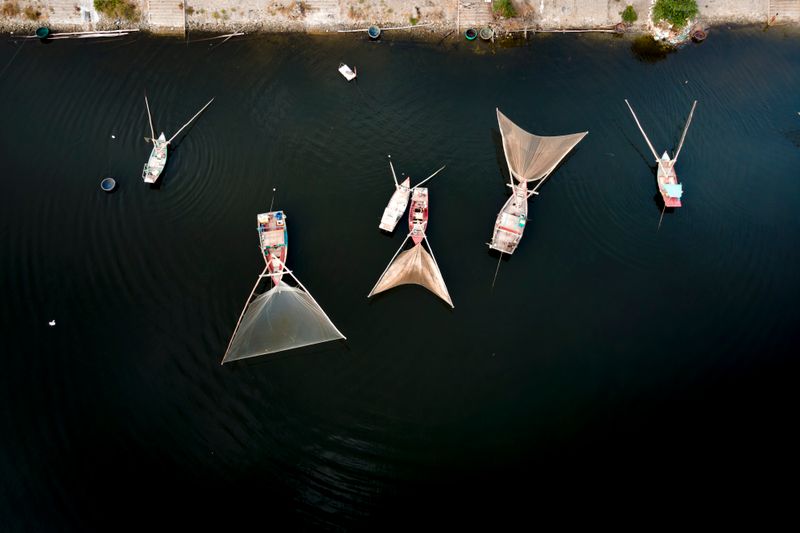
Boats land when the water and the market allow, which is why a working quay is busy at dawn and empty at lunchtime.
Harbour Towns
Kitchens in a working port keep the hours of the people who work there, which are set by boats rather than by holidays.
Harbour Towns
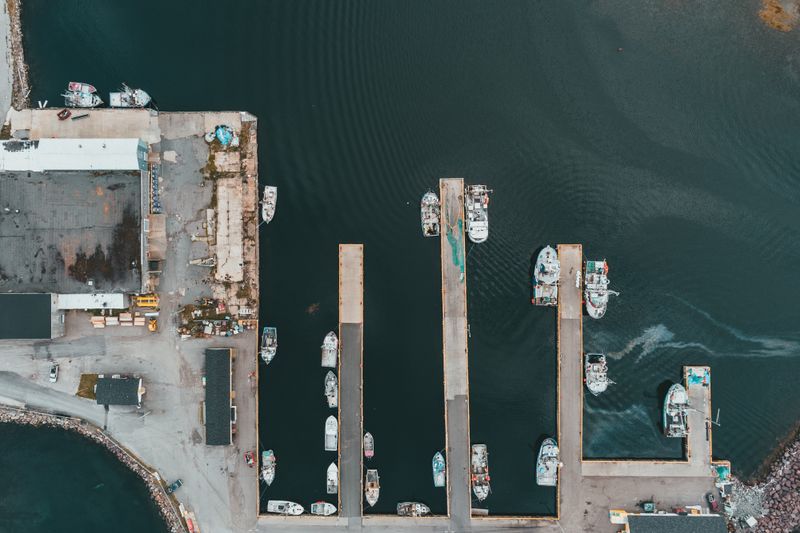
Breakwater arms, entrance angle and inner basins are all answers to a specific swell direction that troubled the port.
Harbour Towns
Where the tidal range exceeds the depth, the harbour empties completely, and everything about the town works around that.
Harbour Towns
Between the boat and the plate sit an auction, a merchant and a cold chain, and most visitors only ever see the last of them.
Harbour Towns
One is built around a timetable and a car park, the other around a tide and a market, and they feel nothing alike.
Harbour Towns
Ports lose their fishing for reasons that are mostly economic and regulatory, and the town that remains works differently.
Harbour Towns
In many coastal towns the crew are neighbours with pagers, and the boathouse is the most important building on the quay.
Harbour Towns
The businesses on a quay are a more honest indicator of a harbour's condition than the number of boats moored in it.
Harbour Towns
Harbour parking sits at sea level for a reason, and spring tides, surge and overtopping all reach it before anywhere else.
Harbour Towns
Ports were sited for shelter and deep water rather than for sand, so the swimming is often a bus ride away.
Harbour Towns
Narrow lanes, blank seaward walls and cellars under the quay are all responses to wind, salt and the practicalities of trade.