Beaches & Swimming
Children in the Sea Lose Depth Before They Lose Sight
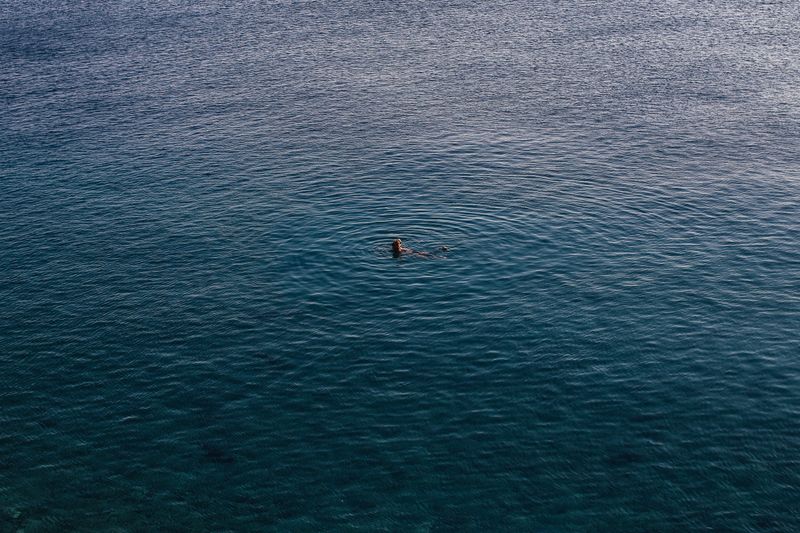
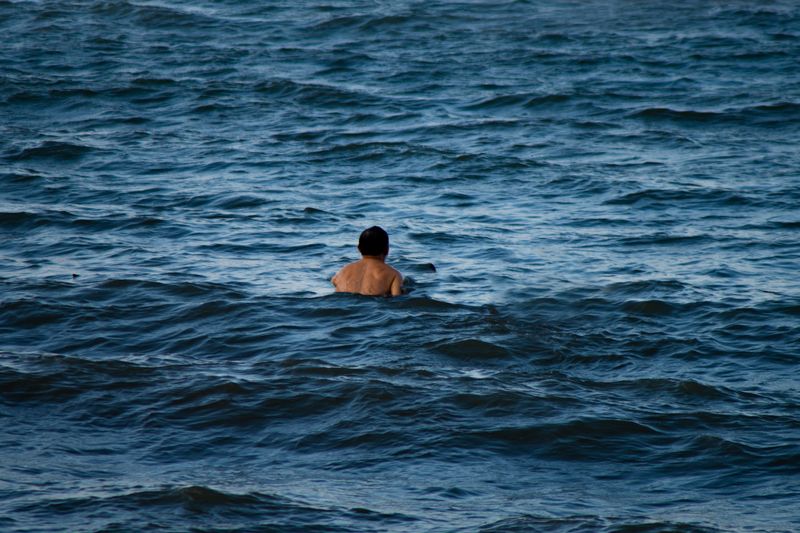
A child standing in shallow water is carried out of their depth by drift long before anyone notices, because the change is gradual and the beach reference moves too.

Most difficulties with children at the beach begin the same way. A child who was standing comfortably is gradually no longer standing, and nobody watching saw the transition.
Drift moves the child, not the water
Waves arriving at an angle push everything floating in the shallows steadily along the beach, and a child playing in waist-deep water goes with it.
Because the movement is slow and continuous, it produces no sense of travelling, and the child's attention is on the water rather than on the shore.
A hundred metres of drift can put a child over a channel, a bar or a rip, none of which is visible from where they entered.
Small changes in depth matter more
The depth that a child can stand in is a much narrower band than an adult's, so a step down that an adult would not notice takes a child off their feet.
Sandbanks and runnels create exactly those steps, and the pattern changes between tides rather than staying fixed through a week.
Once off their feet in moving water, a small body is carried far more easily, because there is less mass to resist the flow.
The reference point on the beach also moves
Adults track children against an object on the sand, but a rising tide moves the whole waterline, and possessions get moved up the beach to follow it.
The parent's position therefore shifts during the afternoon while the child's position shifts independently, and the two changes obscure each other.
A fixed landmark behind the beach, rather than one on it, is what makes drift visible, and it works for adults in the water for the same reason.
Inflatables are a separate problem
Anything that floats high presents a large surface to the wind, so an offshore breeze moves it faster than a child can swim, and faster than an adult can wade.
The wind that does this is often gentle, since the force required is small, and the morning land breeze is exactly the wrong condition for it.
This is why inflatables are banned outright at many beaches rather than discouraged, and why the ban does not relax on calm days.
What actually works
Designating one adult as watching, rather than assuming a group is collectively watching, is the single change that prevents most incidents.
Swimming between marked areas where they exist keeps a child within a zone that is both patrolled and free of the strongest outflow.
Agreeing a rule about depth in terms the child can apply, such as staying where their hands can touch the bottom, gives them a test that works without adult judgement.
Questions readers ask
Can a ship see a swimmer in the channel?
Often not in time. A low, dark head in choppy water is hard to spot even from a small boat, and large vessels have a substantial blind area ahead of the bow plus stopping distances measured in ship lengths.
Are harbour swimming bans universal?
No. They are set by individual harbour authorities and vary widely between ports and countries, with some harbours having designated areas and others prohibiting swimming entirely. The harbour office is the authority on its own water.