Coastlines
Cliffs, Dunes and Why Two Neighbouring Coasts Look Nothing Alike
What a shoreline is made of decides whether the sea carves it, buries it or rearranges it every winter.
The points below about coastal geology and landform are ordered by how much difference they make, not by how often they get repeated.
What matters most
- Hard rock coasts erode slowly and produce cliffs and stacks.
- Soft sediment coasts retreat quickly and produce dunes and spits.
- The boundary between the two often sits within a few kilometres.
Resistance sets the shape
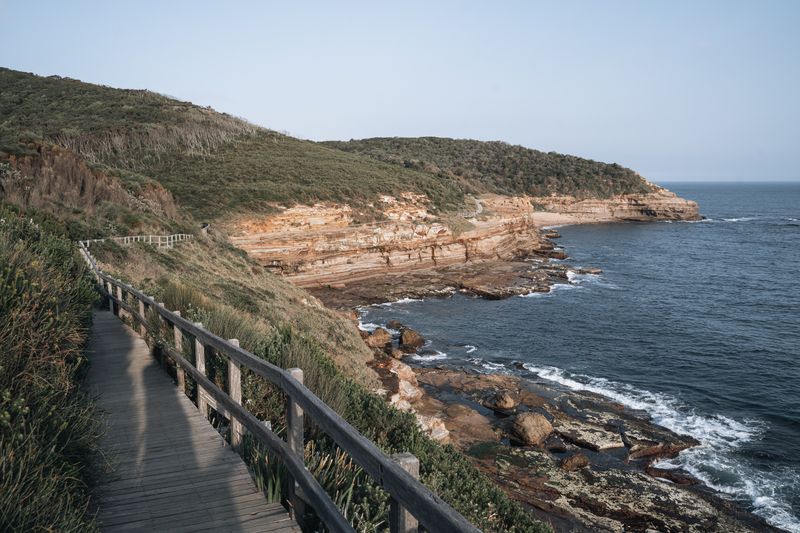
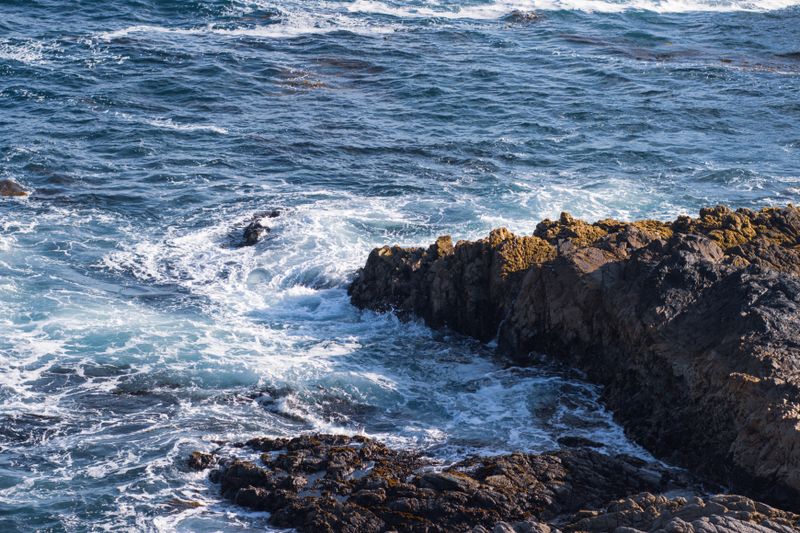
A coastline is essentially a record of which materials resisted the sea and which ones did not. Hard igneous and well-cemented sedimentary rock stands up as cliffs, headlands, arches and eventually isolated stacks. Soft clays, sands and glacial deposits give way, retreating landward and feeding the beaches downdrift of them.
Where the two meet you get the classic pattern of headlands with bays scooped out between them. That alternation is not decoration; it is the sea sorting the coast by hardness over thousands of years.
How cliff coasts behave
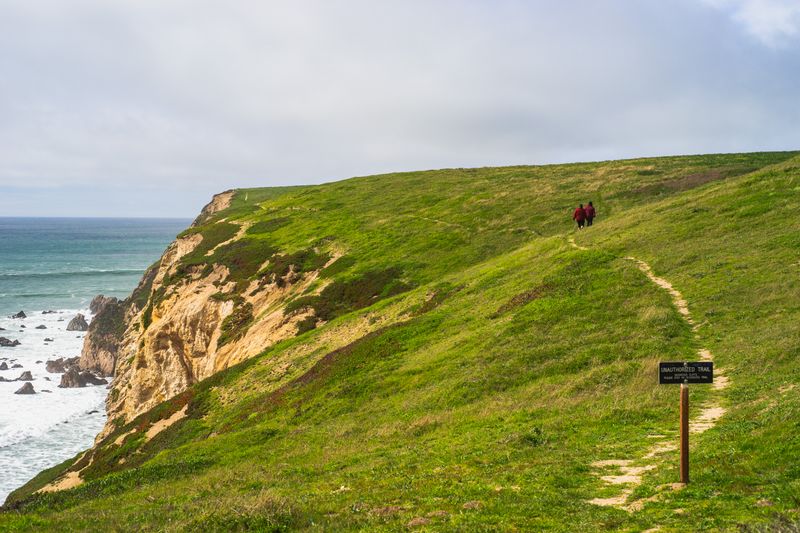
Cliffs retreat by undercutting at the base, which removes support until a block above fails all at once. This makes cliff erosion episodic rather than gradual, with nothing visible happening for years and then a large collapse. The fallen material temporarily protects the base until the sea clears it, after which the cycle resumes.
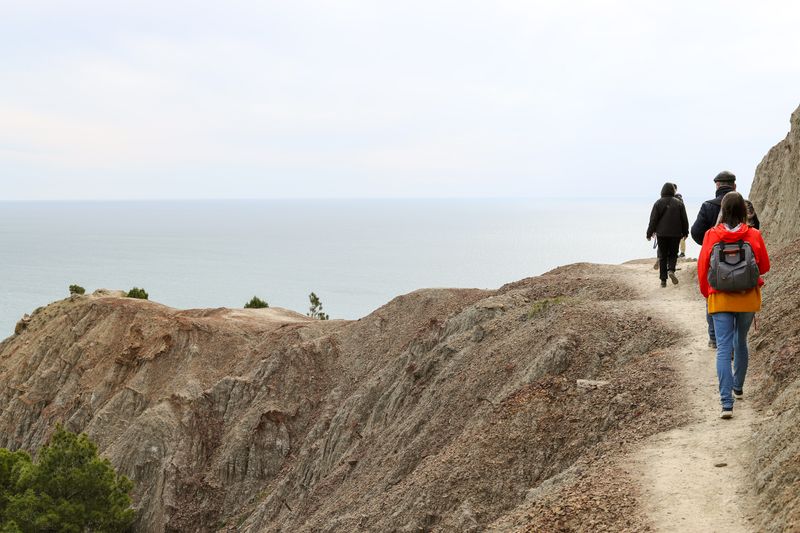
When the wind turns, walking directly beneath a cliff, especially after heavy rain or a hard frost, is the situation to avoid. Beaches under cliffs are frequently narrow and stony because the supply is rock fragments rather than sand.
How dune coasts behave
Dunes form where sand dries at low tide, blows inland and is trapped by vegetation that grows up through it. The system is mobile by design, and a dune coast is meant to move rather than to hold a fixed line. Marram and similar grasses are the structural component, which is why walking off the boardwalks does real damage.
A storm can strip several metres off a dune face in a night and the sand is usually returned gradually over months. Behind the dune there is often a wet slack or lagoon, which is quietly one of the richest habitats on any coast.
Spits, bars and the coast that grows
Where sediment moves along a shore and the land turns away, the material keeps going and builds a spit into open water. Spits shelter whatever is behind them, creating the estuaries, saltmarshes and moorings that make a coast usable. They also breach in big storms, and a new channel can open where there was continuous land the previous week.
Maps of these features are always slightly out of date, which is worth remembering before planning a route across one. The tip of a spit is usually the least stable ground on the entire coastline.
Reading it from the road
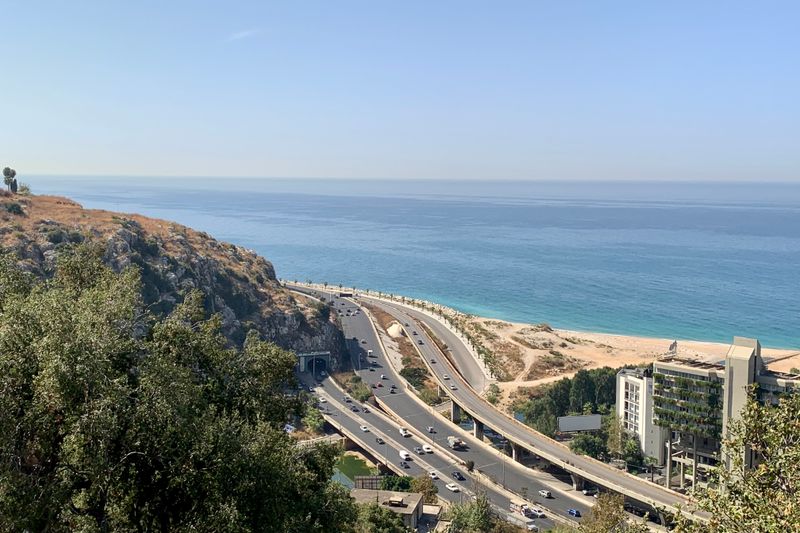
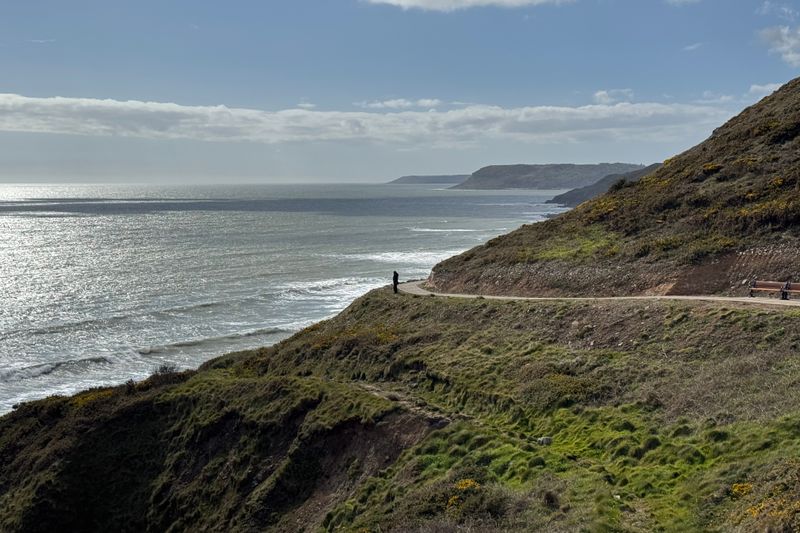
A road that runs high with occasional sea views is following a cliff line, and access to the water will be limited to a few points. A road that runs behind a low green ridge with car parks every few kilometres is behind dunes.
With the tide out, straight coastal roads on the map often mean reclaimed or engineered shoreline rather than natural coast. Place names carry the same information, with words for rock, ness, point, sands and haven doing consistent work. Ten minutes with a map tells you whether you will be looking down at the sea or walking straight into it.
Harbour towns work for a living, and access is not owed to visitors.
Why it changes what you can do
Cliff coasts give you long views, seabird colonies and few but dramatic access points to the water. Dune coasts give you space, easy entry, wind, and considerably less shelter when the weather turns. Swimming is generally simpler off a shelving sandy shore than off a boulder-strewn platform beneath a cliff.
Photography, birdwatching and walking all reward the harder coast; families and long swims usually reward the softer one. Choosing between them deliberately is more productive than being disappointed by whichever one you happened to book.
Everything above, in order of what to do first
- Resistance sets the shape. A coastline is essentially a record of which materials resisted the sea and which ones did not.
- How cliff coasts behave. Cliffs retreat by undercutting at the base, which removes support until a block above fails all at once.
- How dune coasts behave. Dunes form where sand dries at low tide, blows inland and is trapped by vegetation that grows up through it.
- Spits, bars and the coast that grows. Where sediment moves along a shore and the land turns away, the material keeps going and builds a spit into open water.
- Reading it from the road. A road that runs high with occasional sea views is following a cliff line, and access to the water will be limited to a few points.
- Why it changes what you can do. Cliff coasts give you long views, seabird colonies and few but dramatic access points to the water.
The takeaway
Look at what a coast is made of and it will tell you what you can do there.
Weather is the itinerary. Everything else is a preference.
Questions readers ask
Are cliff collapses common enough to worry about?
They are common enough that authorities sign the risk on actively eroding coasts. The practical rule is to keep clear of the base and the top edge, particularly after heavy rain, hard frost or a big storm.
Why is one beach sandy and the next one stony?
Mostly because of what is eroding nearby and how much wave energy the beach receives. High energy strips fine material away and leaves the coarse fraction behind.