Beaches & Swimming
Sun on the Water Reaches You From Several Directions
Reflection off water and sand, cooling wind and time spent partly submerged combine to make coastal sun exposure both higher and less noticeable than inland.

Coastal sun exposure is consistently underestimated, and not because people are careless. Several mechanisms increase the dose while simultaneously removing the sensations that normally warn about it.
Reflection adds a second source
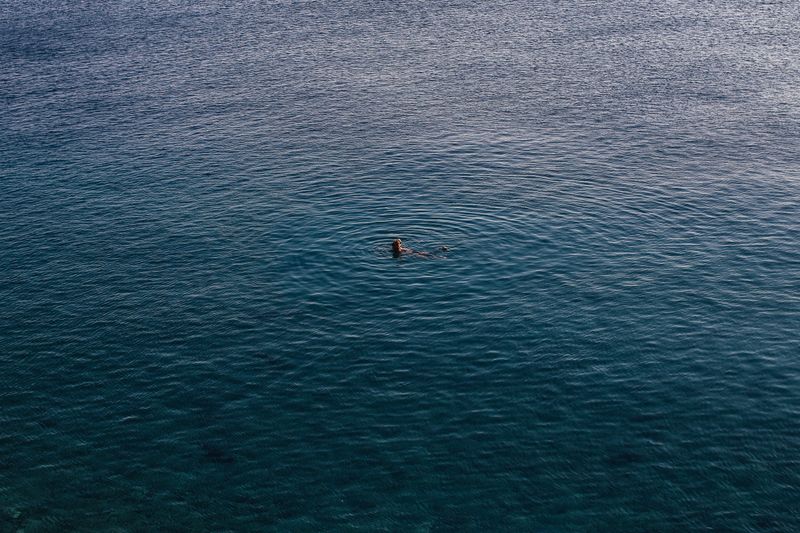
Water reflects a meaningful proportion of the light striking it, and the proportion rises sharply when the sun is low and the surface is rippled.
Pale sand reflects as well, which means exposure arrives from below and from the side in addition to overhead.
Shade under an umbrella therefore blocks less than expected, since it intercepts the direct beam while leaving the reflected component untouched.
Wind removes the warning signal
People generally judge sun exposure by how hot their skin feels, which is a response to heat rather than to the ultraviolet that causes burning.
A steady sea breeze keeps skin cool and evaporates moisture, so the heat sensation never builds even while exposure continues at full rate.
This is why the worst burns often occur on breezy, comfortable days rather than on still, obviously hot ones.
Water gives less protection than it appears
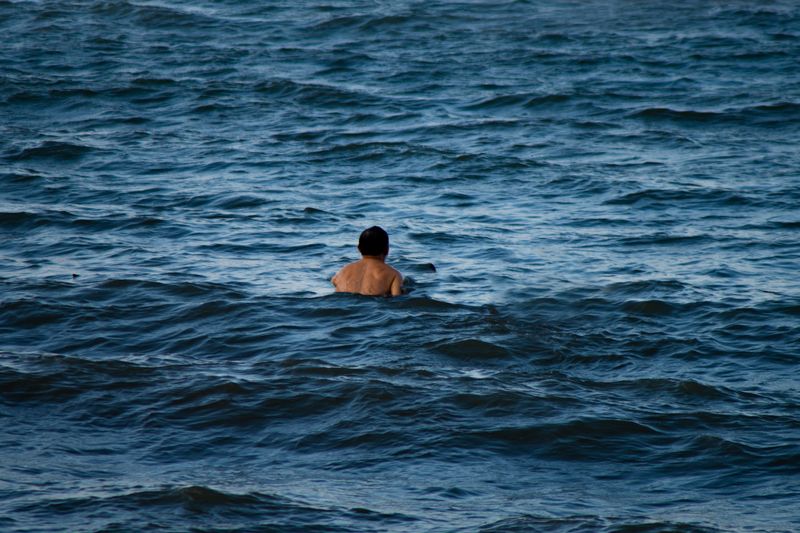
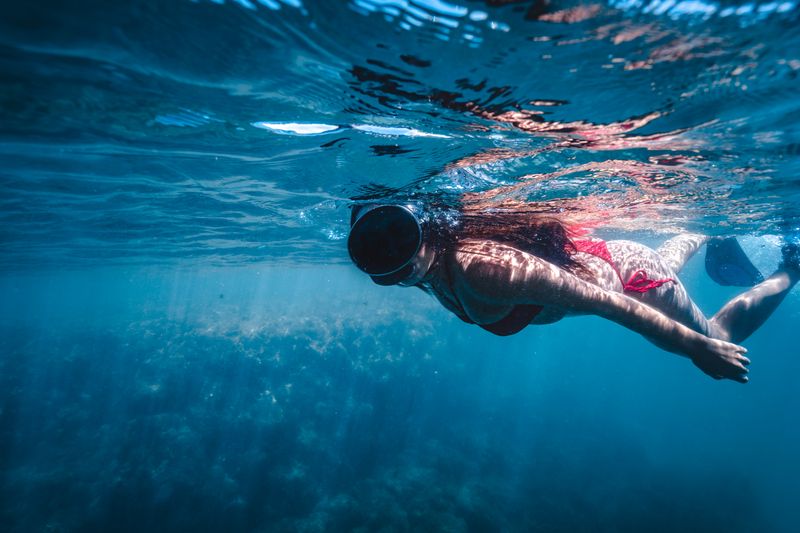
Being partly submerged does not remove exposure, since light penetrates the surface and the swimmer's back and shoulders remain at or near it.
Wet skin is also more transmissive than dry skin, and water on the surface can scatter light onto areas that would otherwise be shaded.
Time in the water additionally removes whatever was applied beforehand, which is the reason reapplication after swimming is emphasised so consistently.
Coastal air is often clearer
Air over the sea carries less dust and pollution than air over land, so less light is scattered out before it arrives.
Cloud cover reduces exposure less than people assume, and broken cloud can briefly increase it where light reflects off the cloud edges.
Altitude and latitude change the picture further, which is why the same behaviour produces very different results on different coasts.
Clothing does the work that lotion cannot
Fabric provides continuous protection that does not wash off, wear off or get missed, which is why long-sleeved swim tops are standard for anyone in the water for long.
Hats protect the areas most often burned and most difficult to cover reliably, particularly ears, the nose and the back of the neck.
Timing remains the most effective control of all, since the middle of the day delivers a disproportionate share of the total exposure available.
Questions readers ask
Can a ship see a swimmer in the channel?
Often not in time. A low, dark head in choppy water is hard to spot even from a small boat, and large vessels have a substantial blind area ahead of the bow plus stopping distances measured in ship lengths.
Are harbour swimming bans universal?
No. They are set by individual harbour authorities and vary widely between ports and countries, with some harbours having designated areas and others prohibiting swimming entirely. The harbour office is the authority on its own water.