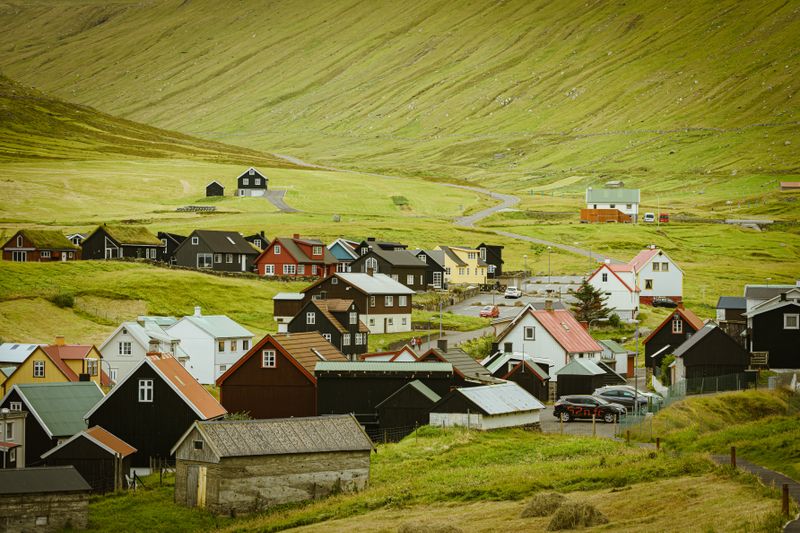
Islands
Matching Your Legs to the Island: Feet, Bikes and Local Buses
The right way to get around depends on the road network and the wind, and both are usually smaller and stronger than expected.
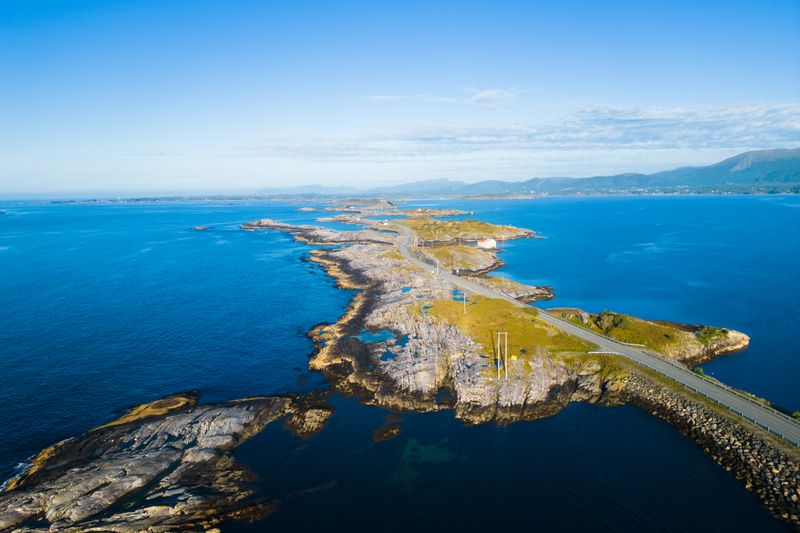
What follows is an argument about getting around once you arrive, and about where the received version of it stops being true.
The argument in brief
- Many small islands have under ten kilometres of road.
- Wind affects cycling effort more than gradient on exposed islands.
- Island buses are often timed to sailings rather than to the clock.
Measure the island first
Look up the length of the road network rather than the island area, because the two are only loosely related. An island four kilometres across with one road is a walking island regardless of how large it looks on a map. An island with dispersed settlements and twenty kilometres of road needs wheels of some kind.
Terrain matters as much as distance, and a hilly small island can be harder work than a flat large one. Five minutes with a map answers this and prevents both an unnecessary hire and an exhausting week.
Walking as the default
Walking from the pier is how most small islands are designed to be reached, and it is usually the best way to see them. Carrying luggage from a pier is the part people underestimate, particularly on rough tracks or up a hill.
Many accommodations offer to collect luggage from the boat, and asking in advance is normal practice. A daypack, water and a windproof layer cover almost any island day walk in temperate conditions. Tracks marked on maps may be rights of way across grazing land rather than made paths.
Bicycles and the wind
A bicycle transforms a medium-sized island and is usually carried free or cheaply by ferry operators. The limiting factor on exposed islands is wind rather than gradient, and a headwind on a flat road is genuinely hard work.
With the tide out, planning the outward leg into the wind leaves the easier ride for when you are tired. Island roads can be loose, potholed or gravel, so wider tyres and lower gearing beat speed. Hiring locally avoids transporting a bike across the whole journey and puts money into the island.
Buses and community transport
Island buses commonly run to meet sailings rather than on a regular clock-face timetable. Services may be request-only, requiring a phone call the day before, which is normal rather than unusual. Post buses and community minibuses fill the gap on many islands and are inexpensive and reliable.
Sunday and off-season services frequently do not run at all, which strands the unprepared.
A photograph of the timetable at the pier is the most useful thing you can take on arrival.
Boats as transport
On some islands the fastest route between two points is a small boat rather than the road. Water taxis and local boatmen operate informally in many places and are weather-dependent by nature.
Sea kayaking gives access to coves and stacks that no land route reaches, with a serious respect for conditions. Any small boat trip should include a check on wind, tide and how the return leg will work. Never plan a return that depends on a small boat if a fixed onward commitment follows it.
Accessibility considerations
Piers, slipways and gangways vary enormously, and some are steep, uneven or tidal. Contact the operator ahead about assistance, since arrangements at small piers are made rather than automated. Island roads often have no pavement, which affects wheelchair and pushchair use significantly.
Out of season, some islands have excellent accessible provision and others have effectively none, so specific research matters. Asking accommodation directly about the route from the pier gives a more honest answer than a listing does.
The takeaway
Check the length of the road network before deciding what to bring.
The best hours on any shore are the ones before the car parks fill.
Questions readers ask
Do I need to book island transport in advance?
For hire vehicles and bikes on small islands, usually yes, because stock is limited. For buses, check whether they are request-only and call ahead if so.
Is cycling on islands harder than on the mainland?
Often, because of wind and road surfaces rather than distance. Gear low, plan the outward leg into the wind and expect slower average speeds.