Islands
Small Islands Run Out of Things and the Restock Arrives by Boat
Every item on a small island crossed the water, which explains the prices, the gaps on the shelf and the delivery-day rhythm.
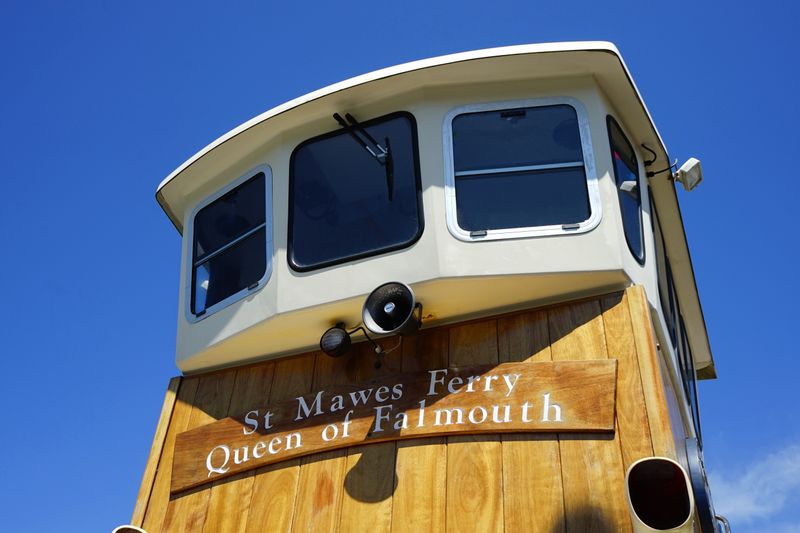
What follows is the working version of island supply and provisioning: the decisions in the order you actually meet them, with the reasoning attached.
Before you start
- Island retail stock is limited by boat capacity and frequency.
- Shelves are fullest just after a delivery and thinnest before one.
- Some goods are simply unavailable rather than expensive.
The supply chain is a timetable
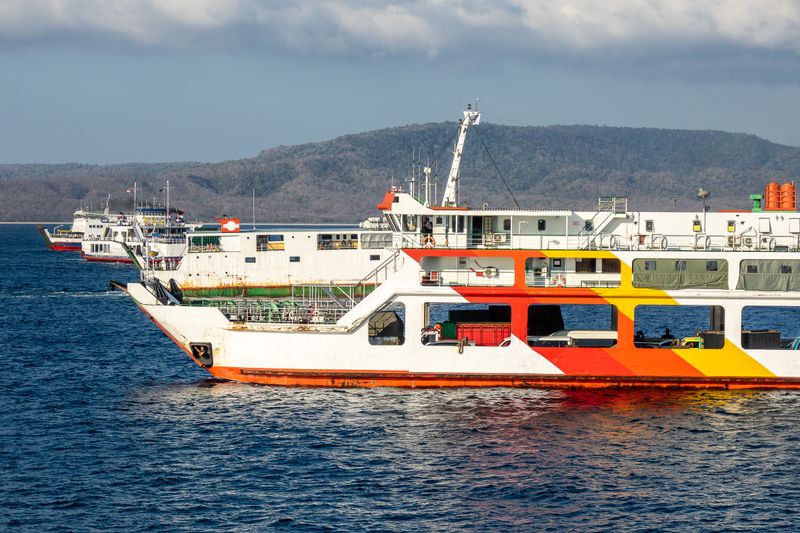
A small island shop is resupplied on specific sailings, and the range on the shelf tracks that schedule closely. Arriving the day before a delivery means the fresh produce, bread and milk may already be gone.
Bad weather that cancels a sailing cancels the delivery too, and the effect is visible in the shop within a day. Residents know the delivery day and shop accordingly, which is why the shop can be busy at an odd hour. Asking when the boat comes in is a more useful question than asking whether the shop stocks something.
Why prices are what they are
The cost of goods on an island includes freight, and freight on a low-volume route is expensive per item. Bulky, heavy or refrigerated items carry the largest premium because they use the most space and power. Fuel is the extreme case, and on some islands it arrives by tanker on a schedule measured in weeks.
None of this is a visitor surcharge; it is the actual cost of moving a pallet across water in small quantities. Buying locally anyway supports the shop that residents depend on for the other eleven months.
What to carry across
Specific medication, contact lens supplies, baby formula and anything you genuinely cannot substitute should travel with you. Camera batteries, chargers and adaptors are worth doubling up, since replacements simply may not exist. Sun protection and insect repellent are commonly forgotten and commonly unavailable in the exact form you want.
On the water, cash matters where card acceptance depends on a connection that drops, and cash machines may not exist at all. A refillable water bottle and a couple of meals' worth of food covers the gap if a shop is shut when you land.
Waste travels too
Everything you bring generates waste that has to leave the island by the same boat that brought it in. Several islands ask visitors to carry their rubbish back to the mainland, and it is a reasonable request. Reducing packaging before you travel is the easiest way to comply and costs nothing on the day.
Recycling provision varies enormously and may be limited to a small number of material streams.
Water and sewage capacity are similarly constrained, which is why long showers are discouraged on some islands.
Eating out where there is one place
On many small islands there is a single kitchen, and it may serve at fixed times rather than continuously. Booking ahead is normal even where it feels excessive, because capacity is measured in a handful of tables. Menus are short because the delivery decides them, and a dish being unavailable is a supply fact rather than a lapse.
Along that stretch of coast, opening days may follow the ferry schedule directly, closing entirely on days with no sailing. Confirming this before you arrive is the difference between dinner and a packet of biscuits.
Tides, currents and swell are local knowledge, so ask somebody who swims there.
Living with the constraint
The limitation is a large part of what makes small islands feel different from anywhere on the mainland. Planning around it turns an inconvenience into a rhythm, and the rhythm is genuinely pleasant.
With the tide out, it also builds a realistic sense of what year-round residents organise their lives around. Visitors who arrive expecting mainland convenience tend to have a worse time than those who arrive prepared. The preparation is a small rucksack of things, not a change of plan.
The takeaway
Find out which day the boat brings the shopping and plan your meals around it.
Weather is the itinerary. Everything else is a preference.
Questions readers ask
Should I bring food to an island?
Bring enough to cover arrival and one meal, plus anything you cannot substitute. Beyond that, buying locally is better for the island and usually perfectly practical.
Why can card payments fail on islands?
Because they depend on a network connection that may be satellite-backed or intermittent. Carrying some cash is a reasonable precaution on any small island.