Islands
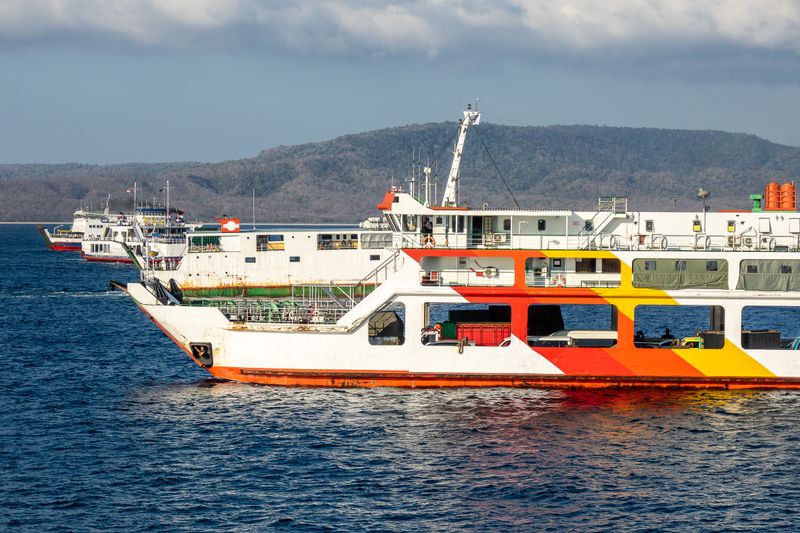
Ferries Are Cancelled by Swell Long Before the Weather Looks Bad
The decision is made at the berth rather than out in the channel, which is why a calm-looking morning can still stop the boat.
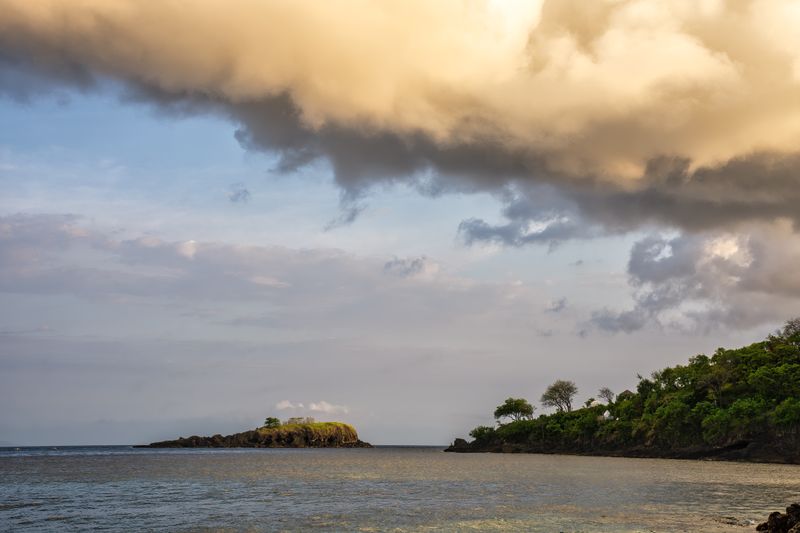
The options around why sailings are cancelled are set out side by side below, with the conditions that genuinely favour one over the other.
The difference in one place
- Berthing in swell is often the limiting factor, not the crossing.
- Wind direction matters more than wind speed at many piers.
- Cancellation decisions are usually made a few hours ahead.
The berth is the bottleneck
A vessel that can handle a rough passage may still be unable to hold position safely alongside a pier. Loading a vehicle ramp onto a moving deck in swell is the specific operation that becomes impossible first. Some piers are exposed to one particular swell direction, and that direction alone closes the route.
This is why a route can run in a strong wind from one quarter and cancel in a lighter wind from another. From the shore the sea can look entirely manageable while the berth is unusable.
Wind direction over wind speed
Operators publish operating limits, and they are usually expressed against specific conditions at specific berths. A pier sheltered by a headland from the prevailing wind may be fully exposed to an unusual direction.
On multi-call routes one exposed pier can cause the whole rotation to be cancelled or altered. Vessel type matters too, since a smaller relief boat has lower limits than the regular ship. Local knowledge on a route usually reduces to knowing which wind direction is the problem one.
When the decision is made
Most operators assess the forecast the previous evening and confirm early on the morning of sailing. A decision may be deferred to a later assessment, which shows on the service page as a warning rather than a cancellation. Deferred decisions are hard to plan around, and travelling to the port on a warning is a judgement call.
When the wind turns, once a sailing is cancelled, subsequent ones are often affected as the vessel schedule unwinds. Signing up for text or email alerts moves this information to you rather than requiring repeated checking.
Swell that arrives without wind
Ground swell generated by a distant storm can reach a coast days later under clear skies and light air. Those are the cancellations that feel most unreasonable to passengers and are entirely predictable to the crew. Forecast sites showing swell height and period separately from wind will usually explain what happened.
When the wind turns, a long-period swell of modest height moves far more water than a short-period sea of the same height.
Learning to read that one row of a marine forecast explains most surprising cancellations.
What to do when it happens
Ask the operator about the next realistic sailing rather than the next scheduled one, since the two often differ. Establish whether an alternative route to a neighbouring island with onward transport exists. Sort accommodation early, because everyone on the cancelled sailing is looking for the same beds.
Keep receipts and the operator's cancellation notice, since insurance and refund claims usually require both. Being pleasant to port staff who did not make the decision is both decent and practically effective.
Tides, currents and swell are local knowledge, so ask somebody who swims there.
Reducing the exposure
Travelling on the first sailing of the day leaves you with the largest number of remaining options if it is cancelled. Avoid arranging tight onward connections on the same day as a crossing during any unsettled part of the season. Build a buffer day on the mainland before a flight, particularly in winter and particularly on an exposed route.
With the tide out, choose islands with a bridge, causeway or tunnel when the schedule genuinely cannot flex around a lost day. Accepting that the sea makes the decision is considerably less frustrating than expecting a timetable to override it.
Side by side
| Consideration | What it means in practice |
|---|---|
| The berth is the bottleneck | Berthing in swell is often the limiting factor, not the crossing. |
| Wind direction over wind speed | Wind direction matters more than wind speed at many piers. |
| When the decision is made | Cancellation decisions are usually made a few hours ahead. |
The takeaway
Check the swell direction at the pier, not the weather over the channel.
Arrive a day early. A coastline rarely rewards a tight schedule.
Questions readers ask
Do I get a refund if the ferry is cancelled?
Policies vary by operator and by jurisdiction, and passenger rights rules in some regions provide specific entitlements. Check the operator's conditions of carriage and your insurance terms rather than assuming.
Can I tell in advance whether a sailing is at risk?
Looking at wind direction and swell period for the pier, rather than just wind speed, gives a reasonable indication. The operator's own assessment is still the decision that matters.