Practicalities
Insurance, Exclusions and the Coastal Activities Policies Quietly Leave Out
Standard travel cover is written around flights and hotels, and several ordinary seaside activities sit outside it unless you ask.
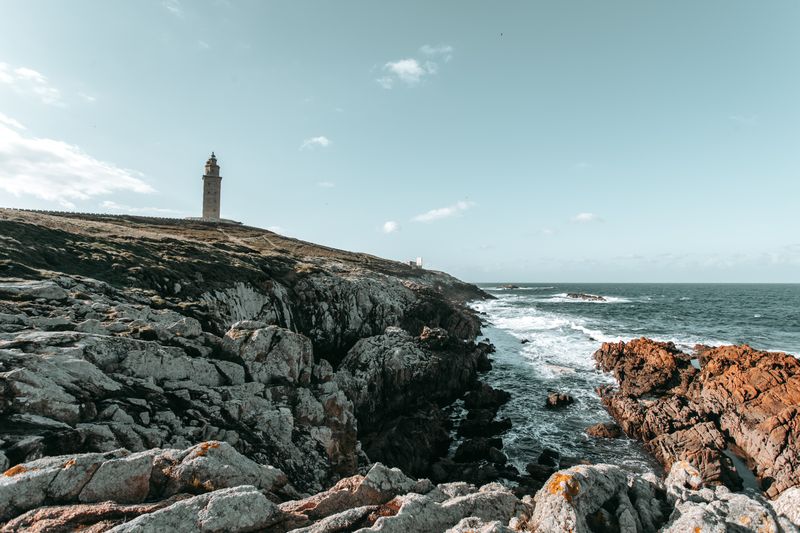
This works through travel insurance for coastal trips in the order the parts actually depend on each other.
The short version
- Many policies exclude or limit water sports and open water swimming.
- Weather-related travel disruption is treated inconsistently between policies.
- Undeclared pre-existing conditions are a common reason claims fail.
Where standard policies stop
A basic travel policy is designed around flight cancellation, lost baggage and medical treatment for ordinary illness and injury. Activity schedules attached to those policies frequently list water sports separately, with some included, some available at extra cost and some excluded outright. Open water swimming, particularly beyond a stated distance from shore, appears as an exclusion or a limitation in a surprising number of policies.
Sailing, diving, kitesurfing, jet skiing and boat hire almost always require specific cover rather than being assumed. The only way to know is to read the activity list in the policy wording rather than the summary page, which rarely mentions any of it.
Disruption cover and what triggers it
Cover for missed connections usually depends on how the legs were booked and on a minimum connection time being observed. A ferry cancelled by weather may or may not trigger disruption cover, and policies differ substantially on whether adverse weather is a covered peril. Where a storm has already been named or a warning already issued, cover for events arising from it typically ends at that point.
That is why buying insurance at the time of booking rather than shortly before travelling matters more than most people realise. Keeping operator cancellation notices, receipts and timestamps is what turns a valid claim into a paid one.
Medical cover on a coast
Reciprocal healthcare arrangements between some countries cover state treatment but rarely cover air transfer, repatriation or private facilities. On islands and remote coasts, the expensive part of a medical incident is the transfer rather than the treatment itself.
Evacuation limits vary enormously between policies and are worth comparing directly rather than assuming they are similar. Pre-existing conditions must be declared accurately, since undeclared conditions are among the most common reasons a claim is refused. Alcohol-related incidents are excluded under most policies, and coastal incidents disproportionately involve alcohol, which is a genuine practical point.
Equipment and vehicles
Cameras, phones and watches damaged by water are frequently excluded or subject to a low single-item limit. Hired equipment such as boards, kayaks and bikes may need separate cover, and hire companies often require a damage deposit regardless.
Vehicle insurance may exclude damage from salt water flooding on a quay or a tidal road, particularly where a warning was posted. Hire car agreements sometimes prohibit ferry travel, unsurfaced roads or specific islands, and breaching that voids the cover.
Checking these three documents before a trip takes half an hour and is the least interesting half hour that reliably saves money.
What to do at the point of a claim
Report incidents to the local authorities where required, since many policies need a report reference for theft or injury claims. Contact the insurer's emergency line before incurring major medical costs where the policy requires prior authorisation.
When the wind turns, photograph damage, keep every receipt and note times, because claims are assessed on documentation rather than on recollection. Note the notification deadline in the policy, as some require contact within a short period after the event. Being organised in the first hour after something goes wrong makes far more difference than the wording of the policy does.
Harbour towns work for a living, and access is not owed to visitors.
Deciding what you actually need
Match the policy to what you will genuinely do rather than to a generic destination category. If swimming, boats or boards are the point of the trip, that has to be in the schedule rather than assumed to be ordinary. Longer trips, remote coasts and low-frequency ferry routes all argue for higher disruption and evacuation limits.
Annual multi-trip policies are convenient and often have narrower activity schedules than a single-trip policy bought deliberately. This is general information rather than financial or legal advice, and the policy wording plus a regulated adviser are the authorities on your own cover.
The takeaway
Read the activity schedule, not the summary page, and buy the cover when you book rather than when you pack.
The best hours on any shore are the ones before the car parks fill.
Questions readers ask
Is open water swimming covered by travel insurance?
Not always, and some policies limit it by distance from shore or exclude it entirely. Check the activity schedule in the policy wording and add cover specifically if it is the reason for the trip.
Will insurance pay for a hotel if my ferry is cancelled?
It depends on the policy and on whether adverse weather is a covered peril. Read the disruption section before travelling, buy cover at the time of booking, and keep the operator's cancellation notice.