Practicalities
Where the Money Actually Goes on a Trip That Ends at the Water
Coastal costs cluster in transport, parking and the peak weeks, and most of them can be moved rather than reduced.
There is a settled way of talking about the cost structure of a coastal trip. It is worth asking how much of it survives contact with the detail.
The argument in brief
- Seasonal pricing on coastal accommodation varies more than in most destinations.
- Ferry vehicle fares and parking are the two commonly underestimated costs.
- Moving dates by a fortnight often saves more than any other single decision.
The seasonal curve
Coastal accommodation pricing follows demand more sharply than in cities, because the season is short and the fixed costs run all year. The same property can differ by a large multiple between a peak week and a shoulder week a fortnight later.
Local school holiday dates drive that curve, and they differ between countries and sometimes between regions of the same country. Moving a trip by two weeks in either direction is frequently the single largest saving available and changes very little about the weather. It also changes the crowding, the parking and the ease of getting a table, which are worth as much as the money.
Transport is the underestimated part
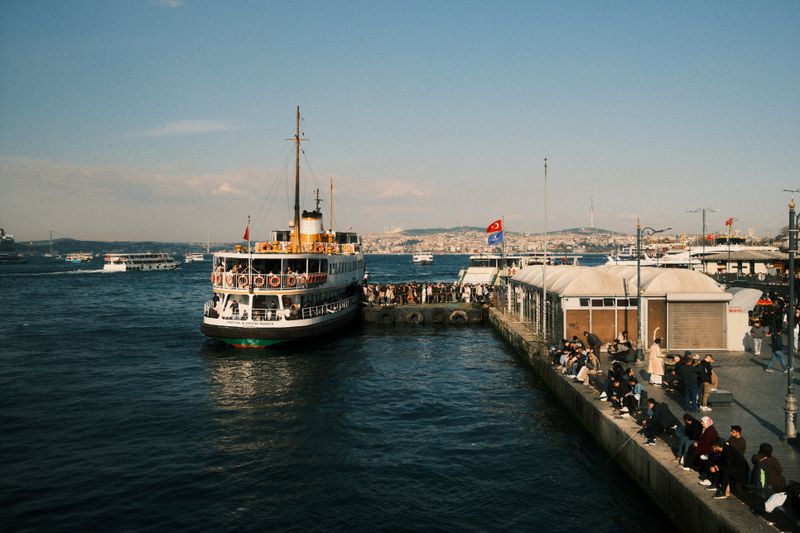
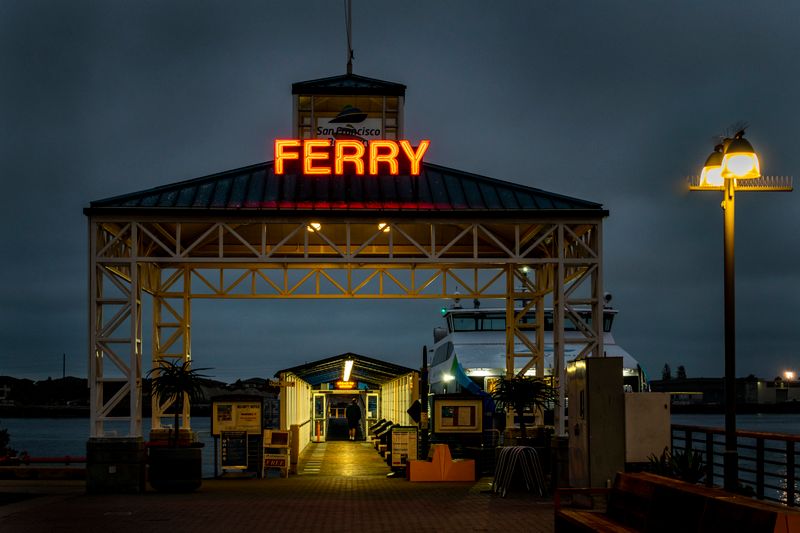
Ferry vehicle fares scale with vehicle length and height and can exceed the accommodation cost on a long crossing. Parking at popular coastal locations is charged by the day and adds up quickly across a week of visiting different beaches. Fuel on remote coasts and islands is more expensive, and the distances between places are usually longer than they look.
Along that stretch of coast, where a route involves several ferries, the cumulative cost is easy to miss when each one is booked separately. Adding up the whole transport chain before booking accommodation gives a much more honest budget.
Where coastal towns are cheap
Working harbour towns are generally less expensive than beach resorts, because their demand is less concentrated into a short season. Accommodation one street back from the front costs meaningfully less and is often quieter and better sheltered. Self-catering with a proper kitchen shifts the economics of a longer stay substantially, particularly on islands.
Out of season, public transport into and around coastal areas is frequently cheaper than parking, especially in the peak weeks. The genuinely good parts of a coastal trip, which are walking, swimming and looking at things, are free.
Costs that appear on arrival
Beach parking, deck chair and umbrella hire, boat trips and equipment hire are the items that were not in the plan. Tourist and accommodation taxes are charged locally in many countries and are frequently not included in the booking price. Minimum stay requirements in peak weeks can force a longer booking than intended, which is a cost rather than a rule.
Cleaning and changeover fees on self-catering are proportionally heavier on short stays than on long ones.
Reading the full breakdown rather than the headline nightly rate makes short coastal stays look very different.
Spending where it matters locally
Coastal economies are seasonal, and money spent in the shoulder months matters disproportionately to the businesses that stay open. Buying from the village shop, the harbour cafe and the local boat operator keeps the services that make a place visitable. Community-run facilities, museums and honesty boxes are inexpensive and are usually funding something specific and local.
Along that stretch of coast, guided walks, wildlife trips and small boat operators are frequently run by people with genuine knowledge of the coast. Those are the parts of a coastal budget with the highest return per unit of money spent.
Building a realistic budget
Start with the transport chain, add accommodation at the actual dates rather than an average, then add parking for each day out. Add a contingency specifically for a weather day, since a wet day on a coast usually costs more than a fine one.
On the water, on island trips, add a buffer night on the mainland, which is cheaper to book than to arrange in a hurry. Decide in advance which one or two paid experiences matter, and book those rather than deciding on the day at peak prices. A budget built in that order is usually lower and always more accurate than one built from a nightly rate outward.
The takeaway
Price the whole transport chain first, then move the dates a fortnight and price it again.
The best hours on any shore are the ones before the car parks fill.
Questions readers ask
What is the biggest saving on a coastal trip?
Usually moving the dates out of the peak weeks. Coastal accommodation pricing responds sharply to a short season, and a fortnight either side often costs substantially less for very similar conditions.
Why is parking such a large cost?
Coastal car parks are often the main revenue source for managing beaches and paths, and popular locations charge by the day. Across a week of visiting different places it becomes a significant line.