Practicalities
Linear Coast Walks Are a Timetable Problem Before They Are a Fitness One
Walking a stretch of coast one way is far better than walking it out and back, and the return transport is what makes it possible.
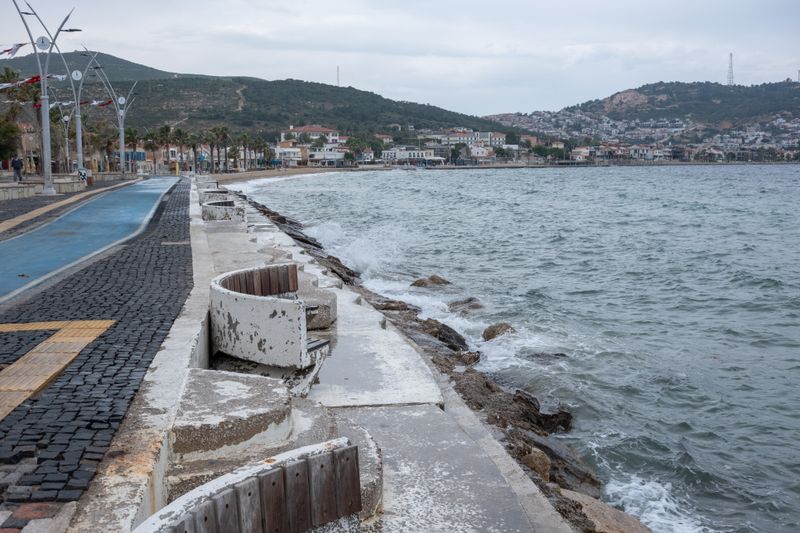
Treat the sections below as a sequence. With planning point-to-point coastal walks, getting the early decisions right makes the later ones much easier.
Before you start
- Coastal paths reward one-way walking because the return leg is rarely different.
- Bus and boat services are what make a linear route practical.
- Finishing early is safer than finishing at the last possible service.
Why one way is better
A coast path shows you the same ground in both directions, so walking out and back doubles the distance without doubling what you see. Walking one way also lets you take the wind and the sun behind you, which on an exposed shore makes a substantial difference to the effort involved. It allows a longer stage than an out-and-back would, which is how most people manage to walk a meaningful section of a long-distance route.
The cost of that is a dependence on transport at one end, and that dependence is the thing that decides whether the plan works at all. Working out the transport first and choosing the walk to fit it produces far better days than choosing the walk and hoping.
Which end to solve first
Travel to the far end at the start of the day and walk back toward your accommodation, so that a delay costs you daylight rather than a bed. That arrangement also means the least reliable part of the day, the public transport leg, happens when services are most frequent. Walking away from your base and relying on an evening bus puts the risk at the point of the day when you are most tired.
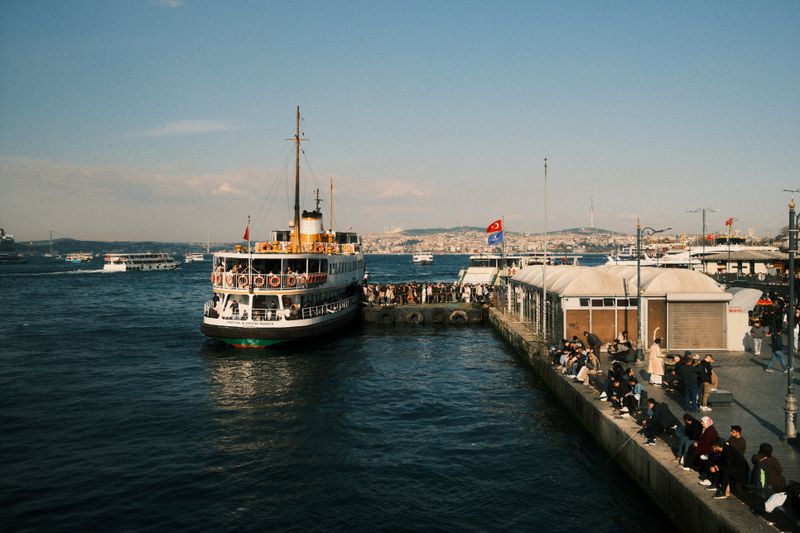
Before the first ferry, where the only service runs at a fixed time in one direction, that single departure defines the whole plan and everything else must fit around it. Writing the transport times at the top of the day's notes, above the route description, reflects their actual importance.
Reading the services honestly
Rural coastal bus timetables often distinguish school days from holidays, and a summer walking route may lose its service during term time or gain one. Sunday services are frequently absent entirely, which catches out weekend visitors on otherwise well-connected coasts.
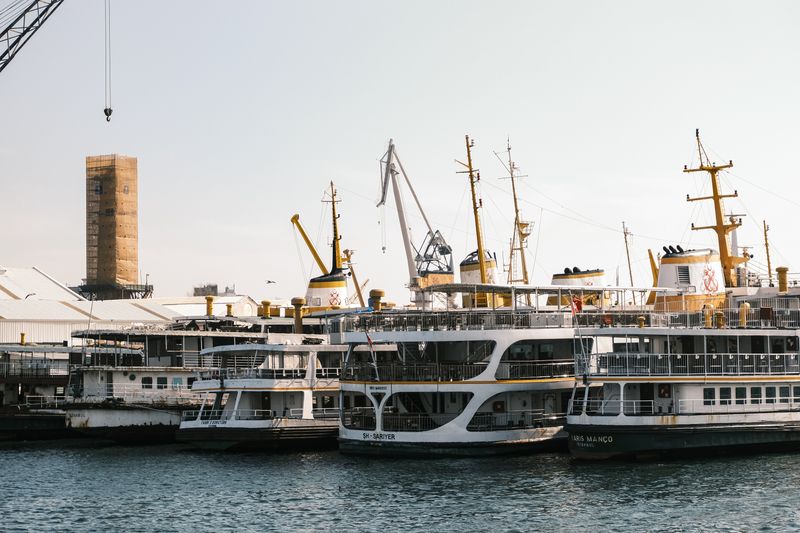
When the wind turns, seasonal open-top and coastal services usually stop earlier in the evening than the ordinary route they replace. Ferries and small passenger boats used as walk transport are weather-dependent and can be cancelled while the walking conditions remain fine. Confirming the timetable for the specific date, rather than the general seasonal pattern, takes a couple of minutes and prevents most failures.
Building in the right margin
Coastal stages accumulate ascent in short repeated climbs, so timings based on flat distance are consistently optimistic. Add time for stiles, gates, narrow sections, diversions around erosion and the simple fact that you will stop and look at things.
Out of season, aim to arrive at the end point an hour before the service you intend to catch, which converts a missed connection into a wait. On a route with a single evening departure, treat that hour as a minimum rather than a comfort.
If the walk is running late, cutting inland to a road and a different stop is usually possible and is a better decision than hurrying on a cliff path.
Alternatives when there is no bus
Two cars and a shuttle works for groups and costs a duplicated drive, which on a small coastal road is not trivial. Pre-booked taxis are reliable if arranged in advance and are frequently unavailable if left to the day.
With the tide out, some coastal accommodation will drop guests at a start point, and asking is entirely normal in walking areas. Cycling to the far end and walking back, retrieving the bike later, works on shorter stages and needs somewhere secure to leave it. A circular route using an inland lane on the return is the fallback that requires no transport at all and is usually available.
Tides, currents and swell are local knowledge, so ask somebody who swims there.
Things to sort before setting out
Check trail closure notices for the section, since erosion diversions can add significant distance without warning. Establish whether any part of the route is tidal and get the times for that specific stretch rather than a nearby port. Carry water for the whole stage, because coastal sections between villages frequently offer nowhere to refill.
Take a head torch even for a daytime walk, since a delay on a cliff path after dark is a genuinely serious situation. Tell someone the route and the expected finish time, particularly where the path runs through long stretches with no phone coverage.
The takeaway
Find the bus first, choose the walk second, and aim to finish an hour early.
Weather is the itinerary. Everything else is a preference.
Questions readers ask
Should I walk toward or away from my accommodation?
Toward it, generally. Travel out at the start of the day when services are most frequent and walk back, so a delay costs daylight rather than leaving you stranded at the far end.
How much longer does a coastal stage take than the distance suggests?
It varies with the profile, but the repeated ascent on a valley-cut cliff coast frequently adds an hour or more to a day. Plan on the ascent figure rather than the distance.