Islands
Fresh Water Is the Real Limit on a Small Island
Rainfall catchment, boreholes and desalination all have ceilings, and visitor numbers in August are what test them.

The points below about island fresh water supply are ordered by how much difference they make, not by how often they get repeated.
What matters most
- Small islands rely on rainfall catchment, groundwater or desalination.
- Over-extracting groundwater draws salt water into the aquifer.
- Peak visitor season usually coincides with the driest months.
Where island water comes from
Islands without rivers depend on rain collected from roofs and hillsides, on groundwater, or on energy-intensive desalination. Groundwater on a small island sits as a lens of fresh water floating on denser sea water beneath it.
Pumping that lens too hard draws salt water upward into the well, which can spoil a supply for a long period. Desalination solves the volume problem but consumes substantial electricity, which on an island is also imported. Every one of these routes has a hard ceiling that does not rise because more people arrived this week.
Why summer is the pinch point
In Mediterranean-type climates the peak visitor season is also the driest part of the year by a wide margin. Catchment tanks filled over winter are drawn down through summer with little or no replenishment. Visitor water use per head is typically higher than resident use, particularly with showers, pools and laundry.
Restrictions on some islands are announced during the season and can include limits on hours of supply. This is not a rare emergency; on many small islands it is the normal annual pattern.
What visitors can reasonably do
Short showers make more difference than any other single behaviour, because heated water also costs island electricity. Reusing towels and skipping daily linen changes reduces laundry volume, which is a large commercial draw on supply. Refilling a bottle rather than buying packaged water reduces freight and waste, though check local guidance on tap water first.
Out of season, where a property asks you to use water carefully, the request usually reflects an actual constraint rather than branding. None of this requires discomfort, and it noticeably reduces the load a visitor places on a small system.
Drinking water and safety
Tap water is safe on many islands and not on others, and the answer can differ between neighbouring islands. Rainwater catchment systems in private properties may be untreated and intended for washing rather than drinking.
On the water, where the supply is desalinated it is usually treated and safe, but taste and mineral content differ noticeably. Ask the accommodation directly rather than guessing, since they deal with the question constantly. Carrying a filter bottle is a reasonable precaution but does not address every possible contaminant.
Swimming pools and the visible tension
Private pools on water-scarce islands are a real and openly debated pressure on limited supply. Some islands have introduced restrictions on new pools or on filling them during declared shortages.
On the water, sea water pools and tidal pools exist in several places and sidestep the problem entirely. Choosing accommodation without a pool on a dry island is a small, effective decision. The sea is generally warmer and always larger, which makes the trade-off easier than it sounds.
Reading the signs on arrival
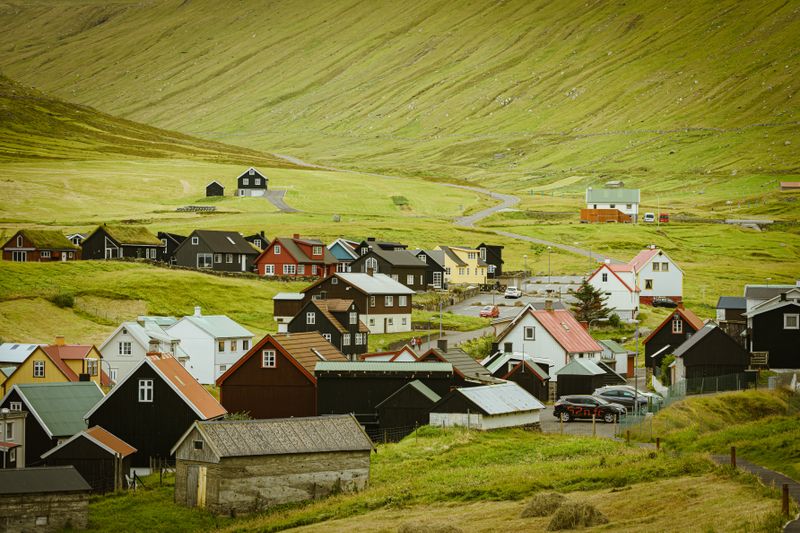
Large black or white tanks on every roof indicate a catchment or stored-supply system rather than mains water. Standpipes, communal taps and delivery tankers show an island where supply is actively managed.
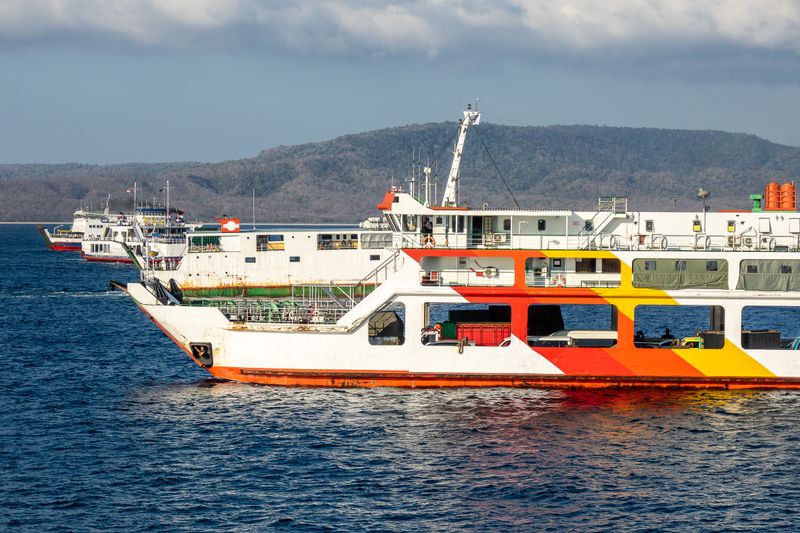
Before the first ferry, signs asking for careful use in bathrooms are usually accurate rather than decorative. Terraced hillsides and cisterns are historical evidence that water has always been the constraint there. Noticing this changes how you use the place, which is most of the point of noticing it.
Everything above, in order of what to do first
- Where island water comes from. Islands without rivers depend on rain collected from roofs and hillsides, on groundwater, or on energy-intensive desalination.
- Why summer is the pinch point. In Mediterranean-type climates the peak visitor season is also the driest part of the year by a wide margin.
- What visitors can reasonably do. Short showers make more difference than any other single behaviour, because heated water also costs island electricity.
- Drinking water and safety. Tap water is safe on many islands and not on others, and the answer can differ between neighbouring islands.
- Swimming pools and the visible tension. Private pools on water-scarce islands are a real and openly debated pressure on limited supply.
- Reading the signs on arrival. Large black or white tanks on every roof indicate a catchment or stored-supply system rather than mains water.
The takeaway
On a small island, water is the scarcest thing you will use without noticing.
Arrive a day early. A coastline rarely rewards a tight schedule.
Questions readers ask
Can I drink the tap water on islands?
It varies by island and sometimes by property. Ask the accommodation or a local shop, and follow official local guidance rather than a general regional assumption.
Is bottled water the safer default?
It removes uncertainty but adds freight and waste to a place with limited capacity for both. Where tap water is confirmed safe, refilling is the better option.