Islands
What People Mean When They Say an Island Runs Slowly
It is almost never a temperament. It is a small number of people, a batched supply chain and a weather-driven order of work.

There is a short answer about the working rhythm of island days and a useful one, and they are not the same. What follows is the useful one.
The short version
- Work on an island is batched around boats, weather and available people.
- One person frequently holds several roles, so availability is genuinely limited.
- Weather reorders the week, moving jobs rather than cancelling them.
The phrase describes a constraint, not an attitude
Visitors say an island runs slowly when what they mean is that things happen in an order they did not choose. On a small island the number of people who can do any particular job is often one, and sometimes that person is away.
Parts, materials and specialists arrive on a boat with a schedule, so a repair waits for the supply chain rather than for motivation. The same work in a city is fast because the alternatives are abundant, not because anybody there is trying harder. Once you see the constraint, the pace stops reading as cultural and starts reading as arithmetic.
Everything arrives in batches
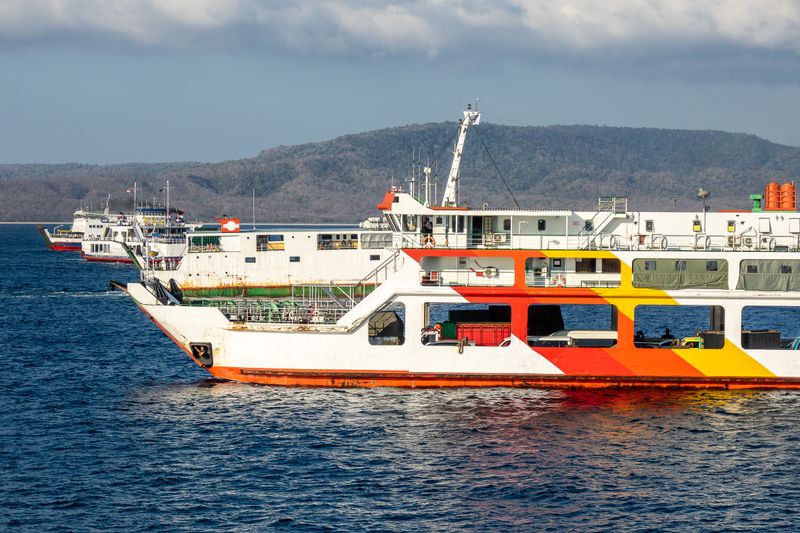
Freight comes on named sailings, so stock, post, spare parts and building materials all land on the same days. That produces a weekly rhythm where certain days are busy with unloading and others are quiet by comparison. A tradesman may visit from the mainland for a block of days, doing every outstanding job on the island in one trip.
Along that stretch of coast, if your problem appears the day after that visit, the realistic answer is the next trip rather than tomorrow. Understanding the cycle explains why an islander asks when you need something rather than promising it immediately.
One person, several jobs
The same individual may run a boat, hold a retained role in an emergency service and manage a piece of infrastructure. When one of those calls, the others stop, which is why a shop closes at short notice with a note on the door. This multiplicity is what makes a very small community viable at all, and it is fragile in exactly the obvious way.
Before the first ferry, a single illness or departure can remove a service from an island until somebody else takes on the role. Treating a closed door as a failure of service misreads a system that is running with no redundancy in it.
The weather reorders the week
Outdoor work, boat work and any job needing a delivery is scheduled against the forecast rather than the calendar. A settled window is used for whatever most needs settled conditions, and everything else moves down the list.
That is why a booked appointment can move without notice and why nobody local finds that remarkable. The corollary is that a bad forecast is when indoor jobs and paperwork get done, so the island is not idle.
Visitors who keep one flexible day in the itinerary rarely experience any of this as a problem.
Where the friction actually comes from
Mainland life runs many services in parallel, so several things can be arranged for the same afternoon. An island runs them in series, and attempting three errands in a morning is what produces the sense of slowness. Opening hours are shaped around boat times, school runs and the season, rather than around a standard working day.
Asking in advance and accepting one significant thing per day converts frustration into an accurate plan. It also gets you better information, because a question asked the day before can actually be answered.
What you get in exchange
A place where everybody does several jobs is a place where the person serving you knows the answer to your question. Information travels fast in a small community, so a request made once is often known everywhere by evening. Help when something goes wrong tends to be immediate and practical, because that is how the island functions internally.
The pace that reads as slow from outside is what allows an island of a few hundred people to keep working at all. Matching your expectations to it is not a compromise; it is the only way the visit works as intended.
The takeaway
An island runs in series rather than in parallel, so plan one significant thing a day and ask the day before.
The best hours on any shore are the ones before the car parks fill.
Questions readers ask
Why do island businesses close in the middle of the day?
Often because the same people are unloading a boat, doing a school run or covering another role that has a fixed time. The closure is usually tied to something specific rather than to a general habit.
Is it rude to ask an islander for something at short notice?
Not at all, but the answer may genuinely be next week, and it helps to say when you need it rather than that you need it now. Advance notice is the difference between a yes and a regretful no.