Islands
An Island's Population Multiplies in Summer and Its Pipes Do Not
Water, waste, power and ferry capacity are sized somewhere between the winter population and the summer one, and the gap is where the friction lives.

Everything here earned its place by changing an outcome. Nothing about seasonal population swings on islands is included to round the number up.
What matters most
- Island infrastructure is sized by capital cost, not by peak demand.
- Water supply and waste treatment are the two systems that fail first in a peak.
- Seasonal workers need housing on the same island that has none to spare.
The arithmetic of a summer island
A small island can hold a few hundred people through the winter and several thousand on a single day in high summer. The infrastructure is built once, paid for by a small permanent community and whatever grant funding exists. Building for the peak means an expensive plant standing idle for most of the year, which is rarely fundable.
Building for the average means the system is over its design load for the weeks when the island is busiest. Nearly every island resolves this the second way, which is why the strain appears at exactly the same time each year.
Water is usually the first constraint
Island water often comes from a small reservoir, a borehole or a desalination unit with a fixed output. Peak season coincides with the driest weeks in many climates, so demand rises exactly when supply is lowest. Hotel showers, laundry, swimming pools and irrigation multiply per-head use well beyond what a resident household uses.
Restrictions, tankering and pressure reductions are the normal management tools, and they are announced locally rather than centrally. Desalination solves volume but not cost, since it consumes electricity that an island grid may also be short of.
Waste is the constraint nobody photographs
Sewage treatment plants have a hydraulic capacity, and exceeding it means partially treated discharge or storage that fills. Solid waste on an island either burns, buries in a very finite hole, or leaves by boat at freight rates. Recycling that works on the mainland can be uneconomic on an island because the volumes never justify the shipping.
Bin collection frequency built for winter simply does not clear a peak week, which is why overflow appears in August. Reducing what you bring in packaging terms is one of the few things a visitor can genuinely control here.
Movement, parking and the ferry itself
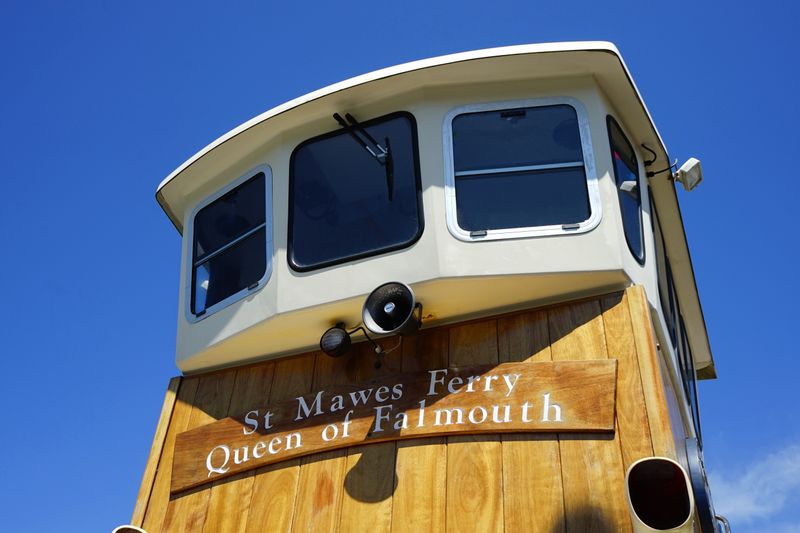
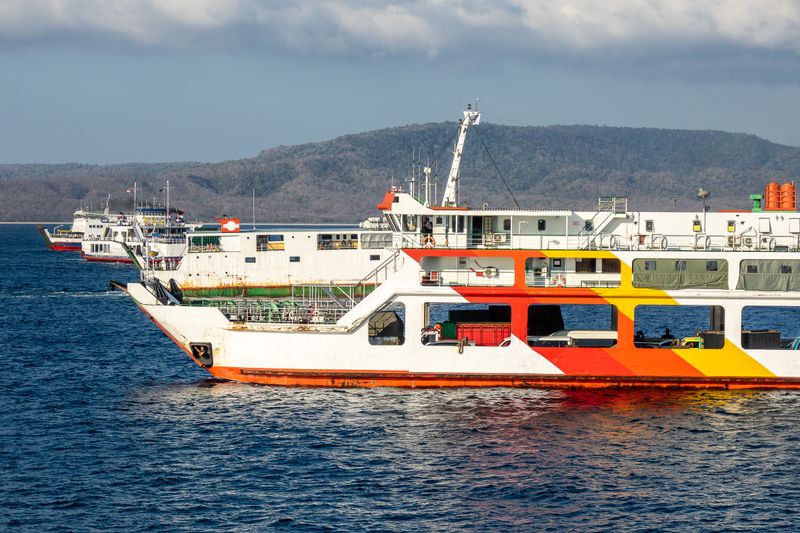
Roads on small islands were laid out for carts and vans, and their capacity cannot be increased without demolishing something. Ferry capacity is the hard ceiling on peak numbers, which is why vehicle space sells out months before foot space does.
Out of season, when capacity is exceeded the queue simply moves ashore, into car parks, lanes and the single road to the beach. Adding sailings requires crew, berths and a vessel, none of which can be conjured for six weeks of the year. This is the mechanism behind vehicle restrictions and permit schemes on a growing number of island destinations.
The people who run the season need somewhere to sleep
A busy season needs staff for cafes, boats, cleaning and maintenance, often more than the resident population can supply. Those workers need accommodation on an island where every letting room is worth more to a visitor for the same night. The result is staff housed in caravans, shared rooms or commuting by boat, and businesses that cannot open because they cannot staff.
You see the consequence as reduced opening hours in the middle of the busiest week, which looks illogical from outside. It is not mismanagement; it is a housing market and a labour market colliding on a very small piece of ground.
Harbour towns work for a living, and access is not owed to visitors.
Trade-offs, honestly stated
Visitor income is what keeps ferries running, shops open and young families able to earn a living without leaving. The same income raises costs, occupies infrastructure and compresses the working year into a few intense months. Different islands strike that balance differently, and residents themselves disagree, which is why blanket judgements are useless.
Coming outside the peak, staying longer in one place and spending locally shift the balance slightly in the island's favour. Those are small effects individually, but they are the levers a visitor actually holds rather than the ones they talk about.
Everything above, in order of what to do first
- The arithmetic of a summer island. A small island can hold a few hundred people through the winter and several thousand on a single day in high summer.
- Water is usually the first constraint. Island water often comes from a small reservoir, a borehole or a desalination unit with a fixed output.
- Waste is the constraint nobody photographs. Sewage treatment plants have a hydraulic capacity, and exceeding it means partially treated discharge or storage that fills.
- Movement, parking and the ferry itself. Roads on small islands were laid out for carts and vans, and their capacity cannot be increased without demolishing something.
- The people who run the season need somewhere to sleep. A busy season needs staff for cafes, boats, cleaning and maintenance, often more than the resident population can supply.
- Trade-offs, honestly stated. Visitor income is what keeps ferries running, shops open and young families able to earn a living without leaving.
The takeaway
Island infrastructure is sized for the quiet months, so the busy weeks are always a managed overload.
Weather is the itinerary. Everything else is a preference.
Questions readers ask
Why do island shops run out of things in August?
Stock arrives on a fixed number of boats with limited pallet space, ordered against forecasts made weeks earlier. A busier week than expected empties shelves faster than the next delivery can refill them.
Does visiting in the shoulder season really help?
It spreads the same spending across more weeks, which is what makes year-round jobs and services viable. It also puts less load on water and waste systems at the point in the year when they are already at their limit.