Islands
Landing Where There Is No Pier: Tenders, Slipways and Swell
Plenty of islands have no harbour at all, so getting ashore depends on a small boat, a rock step and the state of the swell.

What follows is the working version of landing on islands without a harbour: the decisions in the order you actually meet them, with the reasoning attached.
Before you start
- Swell height and direction decide a landing more often than wind speed does.
- Trips to unharboured islands are sold as weather permitting for a reason.
- Cargo, fuel and building materials come ashore by the same constrained route.
Why the island has no harbour
Building a harbour needs sheltered ground, a sea bed that will hold a structure, and a reason to spend the money. Small populations, steep shorelines and exposed positions mean many islands never had any of the three.
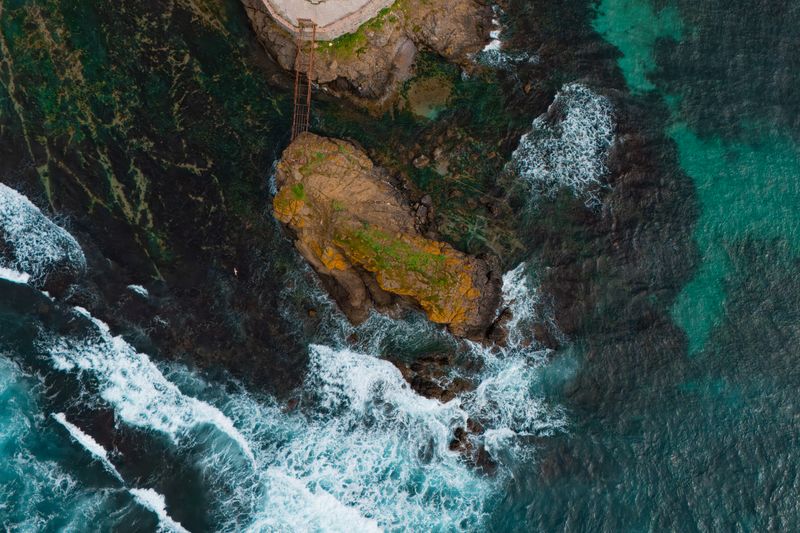
Instead there is a slipway, a concrete step cut into rock, or simply a beach where a boat can be nosed in. Some of these landings face one direction only, so the island effectively closes whenever the swell comes from that quarter. Others have two landings on opposite sides, and which one is used is decided on the morning rather than in advance.
How a tender transfer actually works
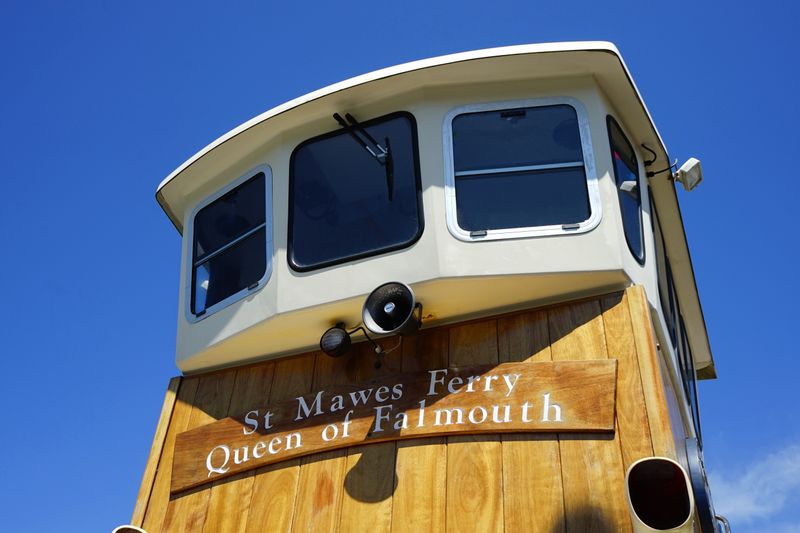
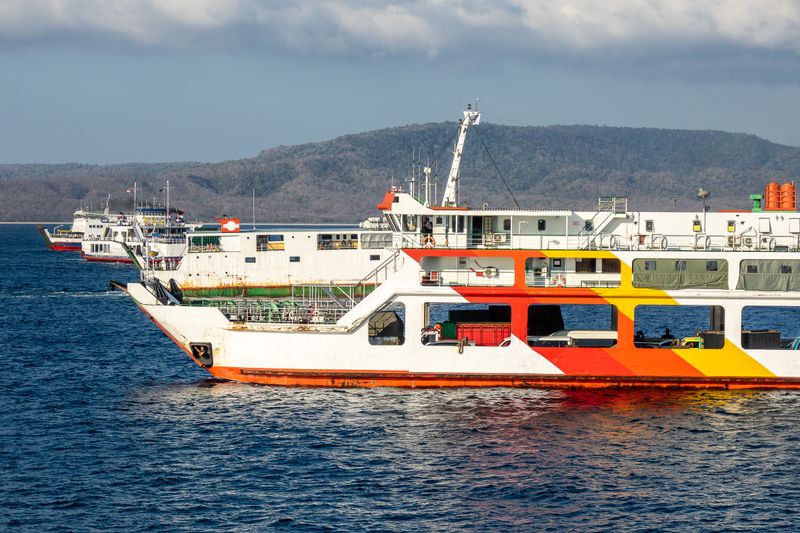
A larger vessel anchors or holds position offshore, and a small boat runs passengers in a few at a time. The transfer between the two hulls happens in whatever motion the sea is providing, which is the part people underestimate. Crew members position themselves to control the movement and to time the step, and their instructions are not conversational.
With the tide out, everything is done in a specific order because the boats are moving relative to each other on every wave. Following crew direction exactly and moving when told is the whole technique, and it is not a place for photographs.
Swell decides, not wind
A calm morning can still have a long-period swell running that lifts and drops a boat several metres against a step. Swell arrives from distant weather, so it can be present when the local forecast shows nothing worth mentioning. A landing is workable when the surge is small enough for a boat to be held steady for a few seconds at a time.
With the tide out, direction matters as much as height, since a swell from an unusual quarter can wrap into an otherwise sheltered landing. The skipper's judgement on the day is the only assessment that counts, and it can change between the outward and return trip.
Cargo comes the same way
Building materials, fuel, livestock and vehicles reach unharboured islands by landing craft, barge or a lift from a boat. That constraint shapes what gets built and what gets repaired, because everything is priced with the landing in it.
Deliveries are batched around suitable weather rather than around a schedule, so a spell of swell delays everything at once. Islanders plan around that, keeping deep stores and treating a good landing day as a working day whatever else was planned.
Visitors who understand this stop being surprised when a trip is postponed and the boat goes to move freight instead.
The trip that does not land
Operators to unharboured islands normally sell a trip that may become a cruise past rather than a visit ashore. That is stated in the terms because the decision is taken at the island, after several hours at sea, with no refund guaranteed.
Some trips have a landing rate that is genuinely low in certain months, and honest operators will tell you so if asked. Booking the earliest days of a stay, rather than the last, is the practical response to a low landing probability. Local harbour offices and the operators themselves are the people who know what a given swell forecast means for that step.
Prices and opening hours on a seasonal coast are close to fiction outside the season.
Once you are ashore
There may be no facilities, no shelter and no communication beyond what the boat crew carries with them. Time ashore is set by the tide, the crossing and the crew's assessment of what the sea will do later.
When the wind turns, being late back is not a personal inconvenience; it can cost the whole party the window in which the landing works. Ground on unvisited islands is often deeply burrowed by seabirds, so a foot through a burrow collapses a nest chamber. Marked routes and stated landing times on these islands exist to protect both the birds and the departure.
The takeaway
On an island with no harbour, the sea decides the itinerary and the skipper decides the sea.
The best hours on any shore are the ones before the car parks fill.
Questions readers ask
Why can a boat sail but not land?
Open water motion is uncomfortable but manageable, whereas a landing needs the boat to be held near-stationary against a fixed object. A swell that a vessel rides easily offshore makes that impossible at the step.
What does weather permitting mean in practice on these trips?
It means the operator will run the trip if the sea allows a safe landing at the time, and will not if it does not. Refund and rescheduling policies vary widely, so read them before booking rather than after a blank day.