Seasons & Weather
On a Coast, Wind Direction Matters More Than Wind Speed
The same twenty knots can be a perfect day or an unusable one depending entirely on which way it is coming from.
What follows is an argument about reading wind direction on a coast, and about where the received version of it stops being true.
The argument in brief
- Wind direction determines which shores are sheltered and which are exposed.
- Forecast wind directions describe where the wind comes from.
- A modest offshore wind can make an exposed coast usable.
Why direction dominates
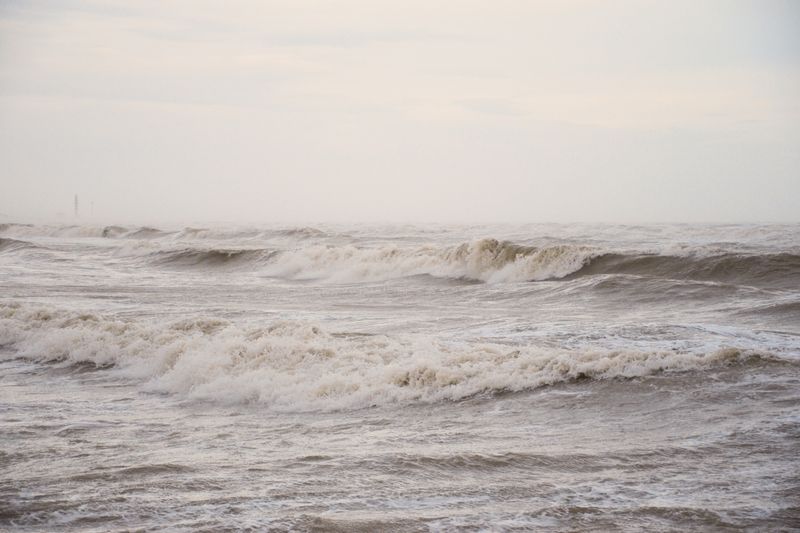
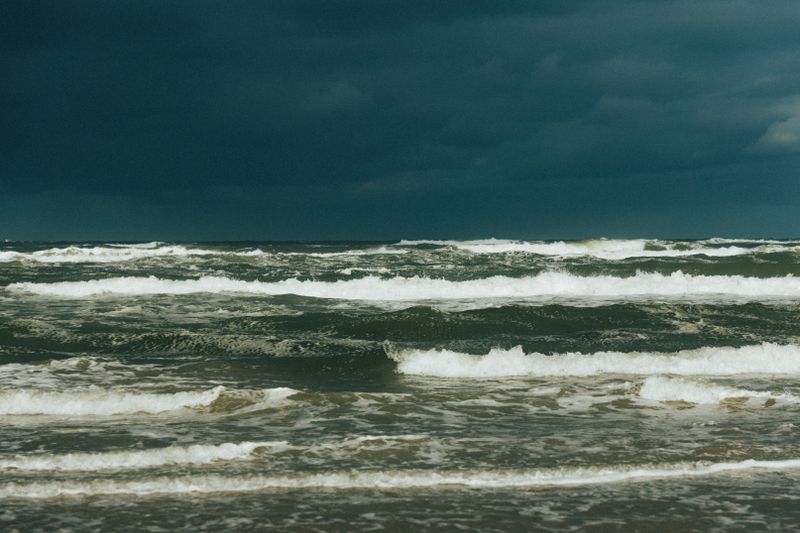
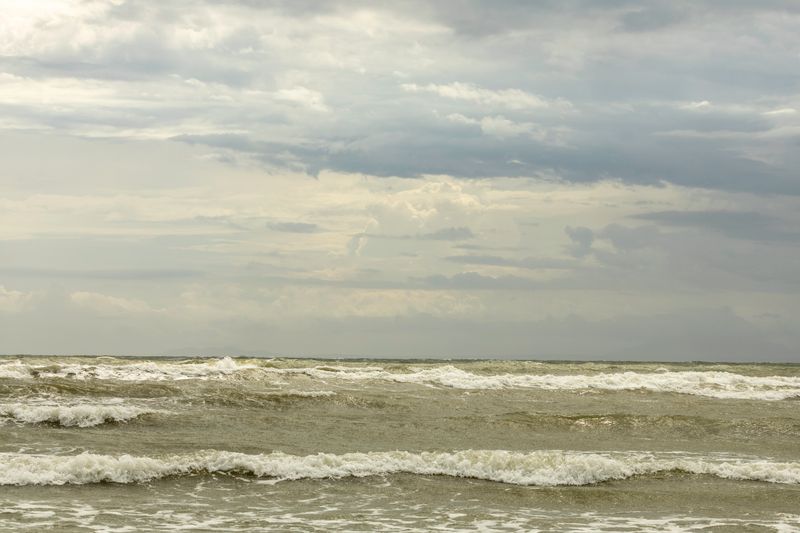
Wind blowing off the land arrives at the water having crossed no fetch, so it cannot build any significant sea near the shore. The same wind blowing onshore has crossed open water and delivers chop, spray and an unpleasant beach.
A coast therefore has good days and bad days that correlate with direction far more strongly than with speed. This is why locals answer questions about conditions with a compass point rather than with a number. Once you know which direction shelters your chosen bay, you can read a forecast in about five seconds.
Getting the convention right
Meteorological wind direction describes where the wind is coming from, not where it is going. A westerly wind blows from the west, which means it is offshore on a west-facing coast and onshore on an east-facing one. Getting that backwards is an extremely common mistake and it inverts every conclusion you draw from a forecast.
With the tide out, wind arrows on forecast maps point in the direction of travel, which is the opposite of the naming convention. Checking the convention on whichever app you use, once, prevents a lot of confusion later.
Finding shelter on a given day
A coastline with variety in its orientation always has a sheltered side, and the trick is knowing where it is. Peninsulas, deep bays and islands provide lee shores that can be flat calm while the exposed side is unworkable.
The shelter extends further downwind of high ground than of low ground, so cliffs give better lee than dunes. A bay that is sheltered from the wind may still receive swell from a different direction entirely. Checking wind direction and swell direction separately is the habit that finds the good spot every time.
Speed, gusts and what they mean
Average wind speed and gust speed are both published, and the gust figure is the one that matters for comfort and safety. A large gap between mean and gust indicates unstable air and turbulent, unpredictable conditions near terrain.
Out of season, wind over land is slowed by friction, so the same system is stronger over the water than the coastal forecast suggests. Beaufort descriptions are useful because they describe observable effects rather than abstract numbers.
Learning what a given force actually looks like on the water is more practical than memorising thresholds.
What each direction does to a beach
Onshore wind piles water and seaweed against the shore, reduces visibility and makes swimming choppy and cold. Offshore wind flattens the surface and improves clarity, but it pushes anything floating steadily away from land.
With the tide out, cross-shore wind combines with any longshore current and can move a swimmer along the beach quickly. Blowing sand on a dune beach in a strong onshore wind is genuinely unpleasant and gets into everything. None of these effects depend on the wind being strong; they show up clearly at quite modest speeds.
Using it to plan a week
Look at the forecast direction for each day and assign the exposed and sheltered coasts accordingly. Keep the inland or town-based plans for the days when everything on the water is going to be poor.
When the wind turns, book nothing weather-dependent more than a couple of days ahead if the pattern is unsettled. On a coast with two aspects within an hour, you can usually salvage every day of a week this way. That single habit is what separates people who enjoy a windy coast from people who endure one.
The takeaway
Read the compass point first; the number only tells you how much of it there will be.
Weather is the itinerary. Everything else is a preference.
Questions readers ask
Does a westerly wind blow towards the west?
No. In meteorological convention it blows from the west. Forecast arrows, confusingly, point in the direction of travel, so check which convention your source uses.
Is an offshore wind safe for swimming?
It flattens the water, but it also pushes anything floating away from shore, which makes it hazardous for inflatables and paddleboards. Swimming parallel and close in is the sensible response.