Seasons & Weather
Shoulder Season on a Coast Is a Services Question Before a Weather One
The months either side of peak often have better conditions, and the real variable is what is open rather than what the sky does.
This is less a set of instructions about coastal shoulder seasons than an argument, and it is worth saying so at the start.
The argument in brief
- Coastal services open and close on fixed seasonal dates rather than on weather.
- Sea temperature and settled weather often peak after the visitor peak.
- Transport frequency is the constraint that decides whether a plan works.
What actually changes at the edges of the season
Coastal businesses commit to opening dates months in advance, so the season begins and ends on the calendar rather than the forecast. That means a warm week in the shoulder period can find half the town closed while a cold week in peak has everything running. Ferry frequency, bus timetables and beach lifeguard patrols all switch on and off at defined dates that are published in advance.
Checking those specific dates is more informative than checking a climate average for the month you are considering. The weather in the shoulder is frequently better than its reputation, and the services are what makes or breaks the trip.
The case for the late shoulder
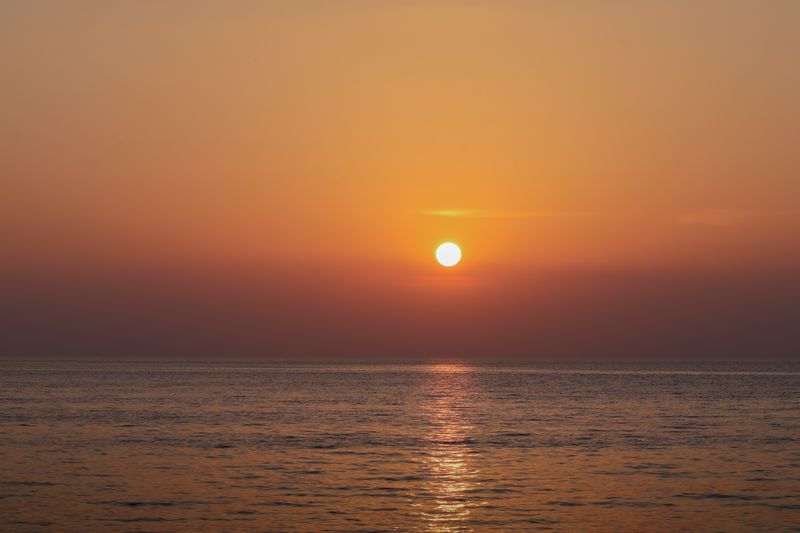
On most temperate coasts the sea is at its warmest weeks after the longest day, which puts the best swimming after the peak crowds. Settled anticyclonic spells are common in early autumn on several coasts, giving still mornings and long light. Accommodation prices drop, parking becomes possible and restaurants can take a booking on the day.
When the wind turns, wildlife is often more active, with autumn migration bringing birds through estuaries and headlands in numbers. The trade-off is shorter days and a rising chance of an unsettled spell that lasts several days rather than one.
The case for the early shoulder
Spring brings the longest run of increasing daylight, active seabird colonies and coastal flowers on cliff tops. The sea is at or near its coldest of the year at this point, which surprises people every single year. Services are ramping up rather than winding down, so the trajectory through your stay is generally improving.
Out of season, it is the better half of the shoulder for walking and the worse half for swimming, quite clearly. Choosing between the two shoulders is really a choice between water temperature and daylight.
What to verify before booking
Confirm the ferry or bus timetable for your exact dates rather than the headline seasonal frequency. Check whether beach lifeguard patrols operate, since seasons and daily hours are both defined and published.
Out of season, contact accommodation directly about opening, because listing sites lag behind actual closures. Establish where the nearest year-round shop and fuel are, particularly in small coastal villages.
Ask specifically about the days of the week services run, since off-peak often means three or four days rather than seven.
Weather expectations, honestly
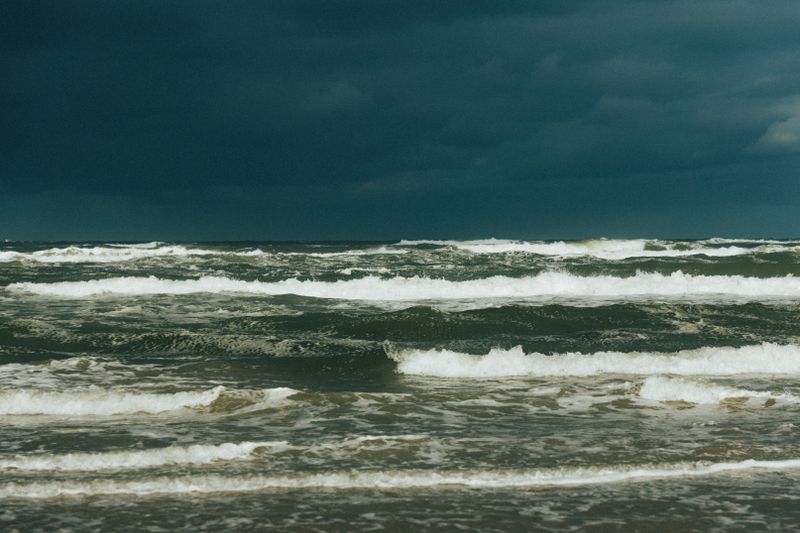
Shoulder seasons are more variable, which means both better and worse days rather than uniformly worse ones. A settled high-pressure spell in either shoulder gives conditions that peak summer rarely matches for clarity and calm.
On the water, storm frequency generally rises through autumn on mid-latitude coasts, and it affects ferries before it affects anything else. Daylight is the harder constraint, and a short day limits a coastal walk more than a shower does. Building flexible days into the plan matters more than choosing the statistically best week.
Who the shoulder suits
Walkers, photographers, birdwatchers and anyone who wanted the coast quiet get most of what they came for. Families needing lifeguarded beaches, warm shallow water and reliable entertainment usually do not. Anyone on a tight schedule with a fixed return should be cautious on low-frequency ferry routes.
Groups who can move plans around by a day gain the most from the reduced pressure on everything. The shoulder rewards flexibility and punishes rigidity more sharply than the peak does.
The takeaway
Check the timetable and the opening dates first; the weather is the smaller variable.
Weather is the itinerary. Everything else is a preference.
Questions readers ask
When exactly does the shoulder season start and end?
It varies by region and by business, and there is no universal date. The reliable approach is to check the published opening dates for the specific transport and services you need.
Is the weather really worse outside peak season?
On average slightly, but variability matters more than averages. Settled spells in spring and autumn produce some of the best coastal conditions of the year.