Harbour Towns
Ice Plants and Chandleries: How to Tell a Port Still Works
The businesses on a quay are a more honest indicator of a harbour's condition than the number of boats moored in it.

Comparisons of reading the working state of a port usually pick a winner. This one picks the circumstances, which is more useful.
The difference in one place
- Ice, fuel and gear supply are prerequisites for a commercial fleet.
- A chandlery stocked for work differs from one stocked for leisure.
- Dredging and slipway maintenance indicate ongoing investment.
The infrastructure a fleet requires
A commercial fishing boat needs ice, fuel, fresh water, gear repair and somewhere to land and sell a catch. If any one of those is missing, the boat has to go elsewhere for it, and eventually it simply relocates. An operating ice plant is therefore one of the strongest single indicators that a port is genuinely working.
A fuel berth in use, with a hose and a meter that look maintained, is the second. Both are visible from public quays without needing to ask anyone anything.
What a chandlery stocks
A chandlery serving working boats carries heavy rope, wire, shackles, buoys, oilskins and engine parts. One serving leisure craft carries antifoul, fenders, flags, charts and a lot of stainless fittings.
The proportions on the shelves tell you what the harbour's customers actually do for a living. A chandlery that has closed entirely is a significant signal about the direction the port has taken. These shops are also the best place in any port to ask a question and get a straight answer.
Maintenance as evidence
A dredger working the entrance means somebody is paying to keep the port navigable, which is a substantial commitment. Recently repaired quay copings, working navigation lights and painted ladders indicate an active harbour authority.
Slipways in use with fresh tyre marks and boats hauled out show a live maintenance economy. Rusted cranes, silted corners and boats visibly abandoned point the other way. Harbour authorities publish accounts and plans in many jurisdictions, which is a level of detail few visitors ever look at.
Reading the boats themselves
Working boats show wear in specific places: rubbing strakes, deck paint, gear stowage and the state of the wheelhouse. A boat with fresh paint, no gear on deck and a cover over the wheelhouse is not working this season. Registration markings and port letters identify where a boat is registered, which is not always where it is moored.
Out of season, the mix of gear types tells you what fisheries the port supports through the year.
Counting how many boats have gear ready to shoot is a better measure of activity than counting hulls.
Why any of this matters to a visitor
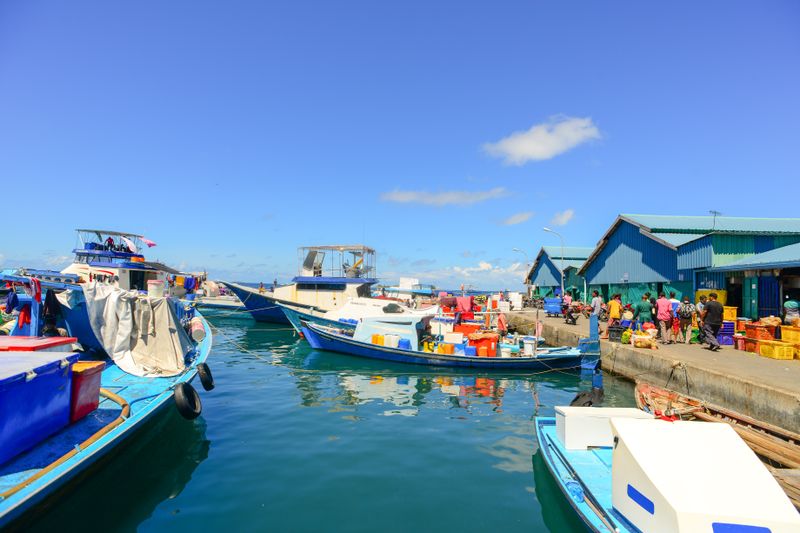
It tells you whether the harbour you are photographing is a workplace or a preserved arrangement of boats. It sets expectations about noise, early activity and whether the quay will be busy at all. It identifies where to ask questions and where the interesting hour of the day will be.
On the water, it also prevents the common error of treating a working quay as a public promenade. Ten minutes of looking gives you a genuine read on a place before you have spoken to anybody.
Where ports are being rebuilt
Several countries have invested in landing infrastructure specifically to keep small ports viable. Community ownership models have kept harbours dredged and maintained where commercial operators withdrew. New shellfish and aquaculture activity has revived quays that lost their traditional fisheries.
Before the first ferry, renewable energy servicing has become a significant new use for some working harbours. A port with new buildings and old quays is usually in the middle of one of those transitions.
Side by side
| Consideration | What it means in practice |
|---|---|
| The infrastructure a fleet requires | Ice, fuel and gear supply are prerequisites for a commercial fleet. |
| What a chandlery stocks | A chandlery stocked for work differs from one stocked for leisure. |
| Maintenance as evidence | Dredging and slipway maintenance indicate ongoing investment. |
The takeaway
Look for ice, fuel and a chandlery; those three decide whether a port has a future.
The best hours on any shore are the ones before the car parks fill.
Questions readers ask
What is the quickest way to tell if a harbour is working?
Look for ice, fuel and gear on the quay, and for boats with gear stowed ready rather than covered up. Those three take under five minutes to check.
Why does an ice plant matter so much?
Because catch quality and price depend on chilling immediately after landing. Without local ice, boats must go elsewhere, and the port loses them.
Also by Rohit Barve
- A Harbour Wall Is a Machine and Its Entrance Faces One Way for a ReasonHarbour Towns
- Jumping Off a Harbour Wall: What the Water Underneath Is DoingHarbour Towns
- The Swell Arrives From a Storm You Never SawSeasons & Weather
- On a Coast, Wind Direction Matters More Than Wind SpeedSeasons & Weather