Harbour Towns
A Harbour Wall Is a Machine and Its Entrance Faces One Way for a Reason
Breakwater arms, entrance angle and inner basins are all answers to a specific swell direction that troubled the port.
Comparisons of harbour breakwater design usually pick a winner. This one picks the circumstances, which is more useful.
The difference in one place
- Breakwater arms are shaped to stop swell reaching the inner basin.
- The entrance faces away from the dominant swell direction.
- Surge inside a harbour can persist after the sea outside has calmed.
What the arms are doing
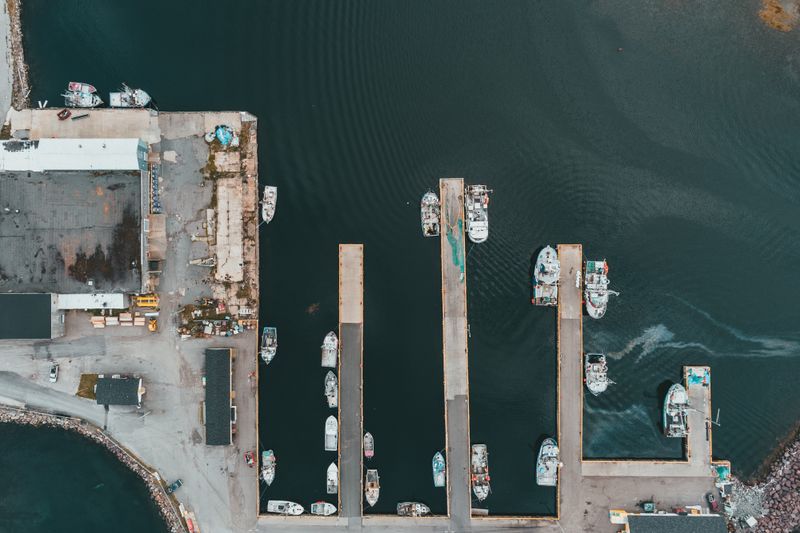
A breakwater exists to absorb or reflect wave energy so that the water behind it is calm enough to work boats. Two arms overlapping rather than meeting create an entrance that swell cannot run straight through in a line.
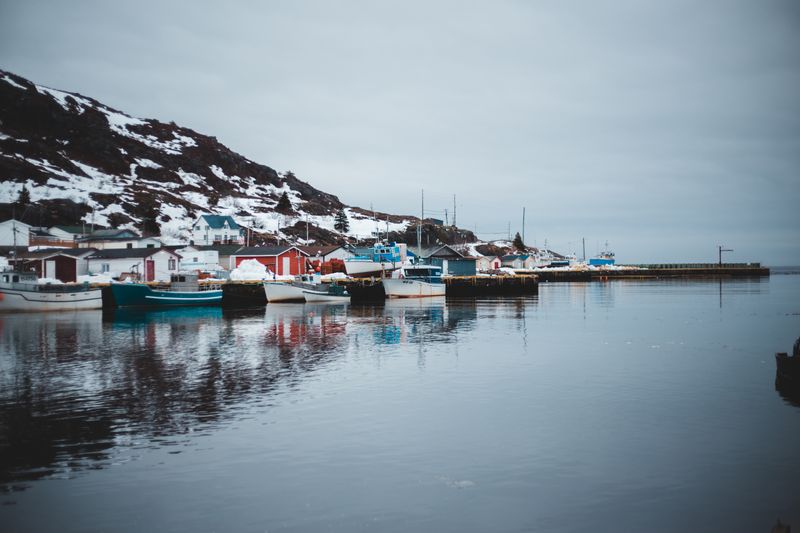
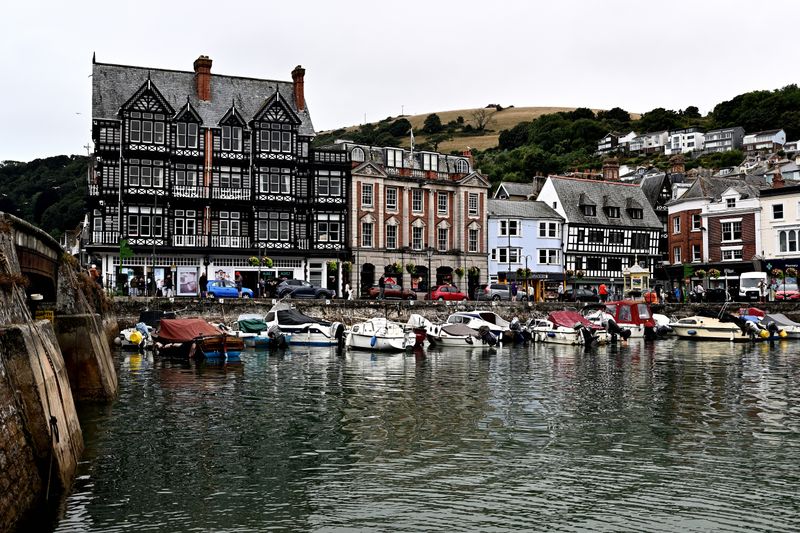
The angle of that entrance is almost always set against the dominant swell direction rather than for convenience. That is why the way into a harbour is frequently awkward, indirect and requires a turn in confined water. Looking at the entrance orientation tells you which direction of weather the builders were most worried about.
Inner basins and the second defence
Larger ports often have an inner basin behind a second wall or a gate, because the outer harbour is still not calm enough. Gated or impounded docks hold water at a fixed level so vessels stay afloat regardless of the tide outside. Those gates open around high water, which is why traffic in and out of some ports comes in concentrated bursts.
Along that stretch of coast, a harbour with a lock is telling you the tidal range is large enough to make a permanently wet basin impossible otherwise. The layers of enclosure are a readable history of how much the sea kept getting in.
Surge inside a calm harbour
Long-period swell can enter a harbour entrance and set the whole basin oscillating, which is called surge or seiche. Boats then move against their moorings even though the visible water surface looks almost flat. Surge can persist for a long time after the sea outside has settled, and it damages boats and mooring lines.
Out of season, this is one reason a port can stay closed to traffic on an apparently pleasant day. Signs warning people not to sit on ladders or steps during surge conditions are worth taking seriously.
Construction and what it tells you
Massive interlocking concrete units piled at an angle absorb energy by breaking it up rather than reflecting it back. A vertical stone wall reflects waves, which is cheaper to build in sheltered water and useless where swell is large.
With the tide out, rock armour spread widely in front of a wall usually means the original structure was being undermined at its base. Repairs of different ages, materials and colours mark the storms that removed the previous version.
Reading a harbour wall like this takes a few minutes and explains most of what the port has been through.
Walking a breakwater safely
Waves overtopping a breakwater arrive without warning and carry enough force to move an adult off their feet. People are swept from harbour walls every year, most often while photographing or watching a storm. Wet, weed-covered stone on a sloping wall is far more slippery than it appears from a distance.
With the tide out, many breakwaters are closed to the public in rough conditions, and the barrier is a genuine assessment. The correct place to watch a storm at a harbour is from high ground well back from the wall.
Why the port is where it is
Harbours were built where a natural feature already provided partial shelter, such as a headland, a bay or a river mouth. The engineering completed what the geography had started, which is why the entrance often follows an existing channel.
Silting from longshore drift means many harbours require ongoing dredging simply to keep working. Where dredging stopped, the port silted and the town changed function, which is visible in a lot of coastal history. A harbour is therefore a continuing argument with sediment rather than a finished piece of construction.
Side by side
| Consideration | What it means in practice |
|---|---|
| What the arms are doing | Breakwater arms are shaped to stop swell reaching the inner basin. |
| Inner basins and the second defence | The entrance faces away from the dominant swell direction. |
| Surge inside a calm harbour | Surge inside a harbour can persist after the sea outside has calmed. |
The takeaway
Look at which way the harbour mouth points and you will know which weather the town fears.
Arrive a day early. A coastline rarely rewards a tight schedule.
Questions readers ask
Why is the harbour entrance so narrow?
A narrow, angled entrance keeps swell out of the basin. It makes navigation harder but it is the whole reason the water inside is workable.
Is it safe to walk out on a breakwater?
In calm conditions and where access is permitted, generally yes. In any swell, waves can overtop without warning, and people are swept off harbour walls regularly. Observe closures and stay well back.
Also by Rohit Barve
- Ice Plants and Chandleries: How to Tell a Port Still WorksHarbour Towns
- Jumping Off a Harbour Wall: What the Water Underneath Is DoingHarbour Towns
- The Swell Arrives From a Storm You Never SawSeasons & Weather
- On a Coast, Wind Direction Matters More Than Wind SpeedSeasons & Weather