Coastlines
A West-Facing Coast and an East-Facing Coast Are Two Different Trips
Which way a shoreline points decides its swell, its afternoon wind and the hour its light is worth walking in.
Both approaches to the way a shoreline is oriented work. What differs is what they cost you, and the cost is what this sets out.
The difference in one place
- Ocean swell reaches a coast from the direction of the open water.
- A sheltered aspect gets shorter, steeper, locally generated waves.
- Orientation sets whether the good light comes at dawn or at dusk.
What orientation quietly decides
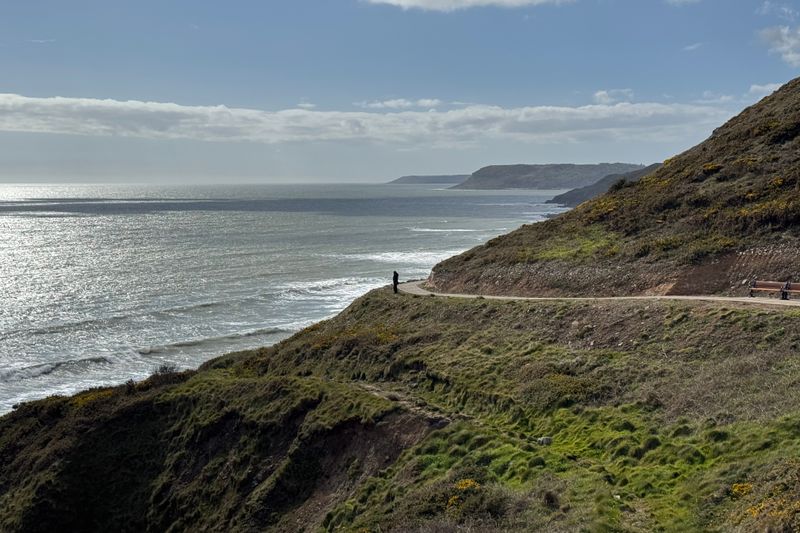
A coastline that faces thousands of kilometres of open ocean receives long-period swell that was generated by storms nowhere near it. A coastline that faces a narrow sea or a large bay only ever sees waves built by the wind you can currently feel. That single difference changes the shape of the beach, the safety of the swimming and the noise you fall asleep to.
It also changes the buildings, because sea walls and shuttered windows appear where winter waves reach the road. Before reading anything else about a place, look at which quarter of the compass its water occupies.
The exposed side
Swell that has travelled a long way arrives in sets with long gaps between them, which makes a beach look calmer than it is. The energy in those waves sorts the sand coarsely, builds steeper profiles and moves the whole beach seasonally.
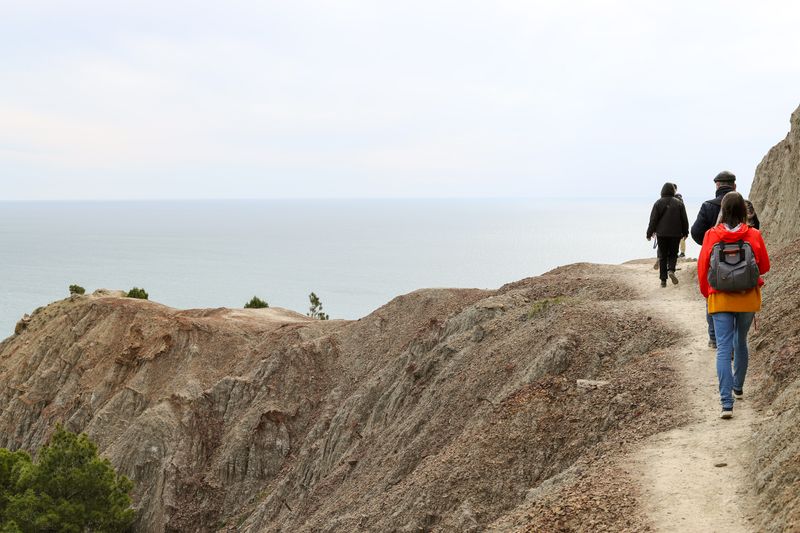
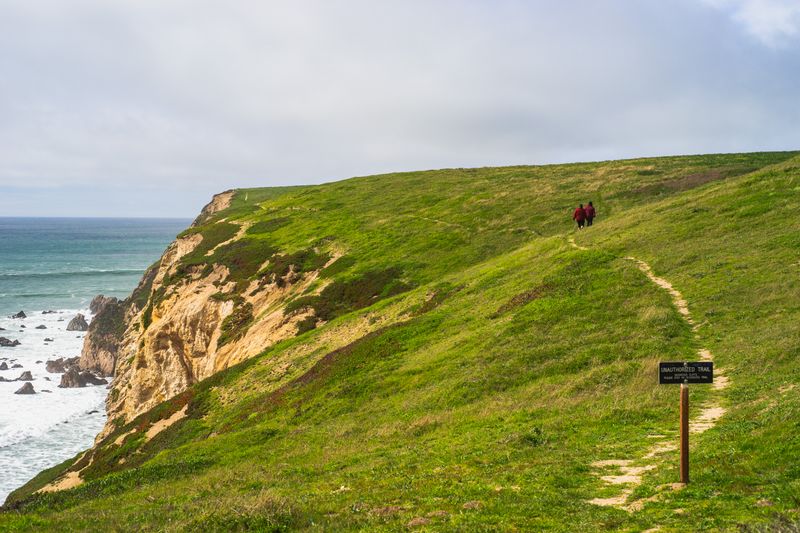
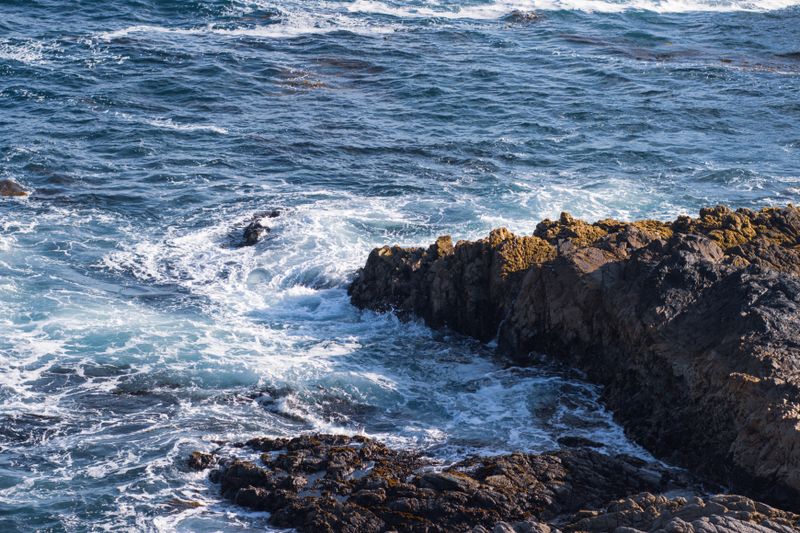
Exposed coasts are where you find the dramatic geology, because the rock is being actively worked rather than slowly weathered. They are also where swimming needs the most judgement, since a shore break can be heavy on an otherwise beautiful morning. The reward is that these coasts rarely feel crowded, because the conditions that make them spectacular also make them uncomfortable.
The sheltered side
Enclosed seas and lee shores produce short, choppy waves that build quickly in a blow and drop away almost as fast. Water there is often warmer in summer because there is less deep, cold ocean being stirred into the shallows.
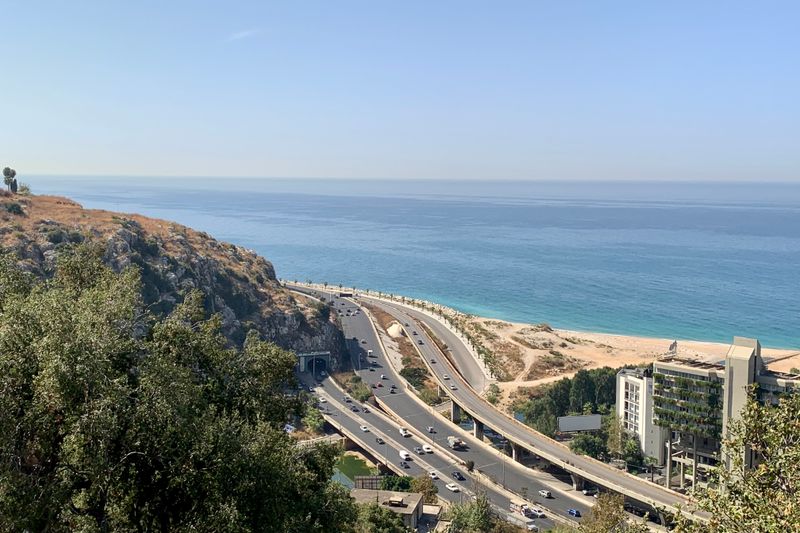
On the water, sheltered coasts suit small boats, family swimming and the kind of harbour that dries out rather than fighting the sea. The trade-off is that they can go glassy and stagnant in a heatwave, with weed and poor visibility near the shore. They also lose their appeal fastest in a strong onshore wind, because chop with no rhythm is unpleasant to swim in.
Light, and the hour to be there
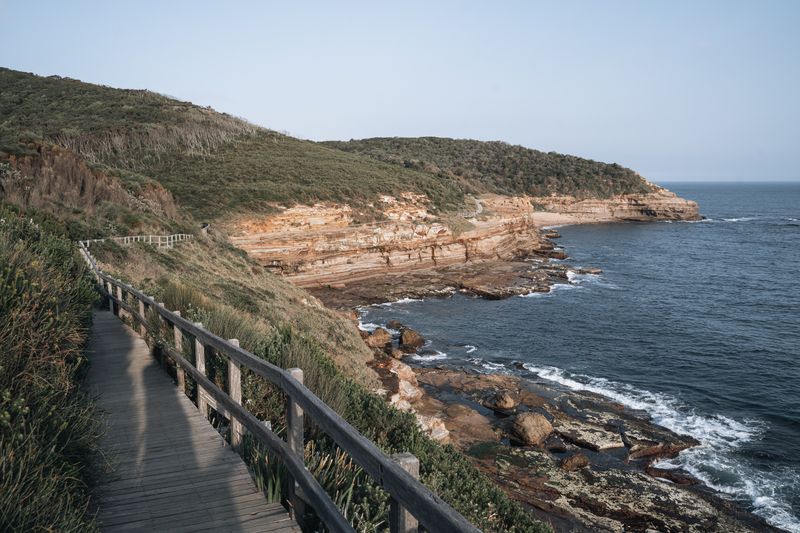
On a west-facing coast the sun sets over the water, so the last two hours of the day are the ones people remember. On an east-facing coast the same effect happens at dawn, which is why those beaches feel empty at their best moment. Midday on either aspect is the flattest light, and the least interesting time to photograph or walk a shoreline.
When the wind turns, cliffs complicate this further, since a high headland can put a beach in shadow hours before the sun actually goes down.
If light matters to you, check the aspect and set an alarm rather than hoping the afternoon obliges.
Wind, and why afternoons differ
Land heats faster than water, and the rising air pulls a breeze in off the sea during the afternoon on most sunny coasts. On an exposed shore that sea breeze runs on top of an existing swell and turns a workable morning into a messy afternoon. On a sheltered shore the same breeze may be the only wave-making mechanism the coast has all day.
Along that stretch of coast, either way, the practical consequence is identical: mornings are calmer, and anything on the water is easier before lunch. Evenings often settle again as the land cools, which is why fishing boats and swimmers reappear at the end of the day.
Tides, currents and swell are local knowledge, so ask somebody who swims there.
Choosing between the two
If you want long walks, weather and empty sand, take the exposed aspect and accept that the sea may not be swimmable. If you want to be in the water every day with children, the sheltered aspect will simply work more often. Many regions offer both within an hour, and locals move between them according to the wind rather than the calendar.
Asking which side of a peninsula is sheltered today is a more useful question than asking where the best beach is. That habit alone will save more trips than any amount of advance research into individual places.
Side by side
| Consideration | What it means in practice |
|---|---|
| What orientation quietly decides | Ocean swell reaches a coast from the direction of the open water. |
| The exposed side | A sheltered aspect gets shorter, steeper, locally generated waves. |
| The sheltered side | Orientation sets whether the good light comes at dawn or at dusk. |
The takeaway
Read the compass before you read the reviews; the aspect explains most of what a coast will be like.
The best hours on any shore are the ones before the car parks fill.
Questions readers ask
How do I find out which way a coast faces before I go?
Any map with a north arrow answers it in seconds; look at where the open water sits relative to the land. Then look at the fetch, meaning how far that open water extends before it meets anything else.
Does orientation matter on a lake or a large inland sea?
Yes, though the scale is smaller. Fetch across a big lake can build a genuinely rough sea in a strong wind, and the same lee-shore logic applies.