Harbour Towns
Aquaculture Changed More Harbours Than Tourism Did
Shellfish trestles and cage sites need sheltered water and a shore base, and where they arrived the working year stopped being seasonal.

There is a settled way of talking about aquaculture in working ports. It is worth asking how much of it survives contact with the detail.
The argument in brief
- Farm sites need shelter, water exchange, access and a shore base near by.
- Aquaculture produces year-round work where fishing produced seasonal work.
- Shellfish harvesting areas are classified and can be closed on monitoring results.
What a farm site needs from a coast
Growing shellfish or finfish in the sea requires water that is sheltered enough to keep structures intact through winter. It also requires exchange, because still water does not deliver food to filter feeders or remove waste from cages. Sheltered water with good exchange is exactly the description of a sea loch, a ria or a lagoon behind an island.
The site then needs a shore base for boats, feed, gear and processing within a reasonable distance. That combination explains why aquaculture concentrated on particular coasts and left others entirely untouched.
What it does to the harbour
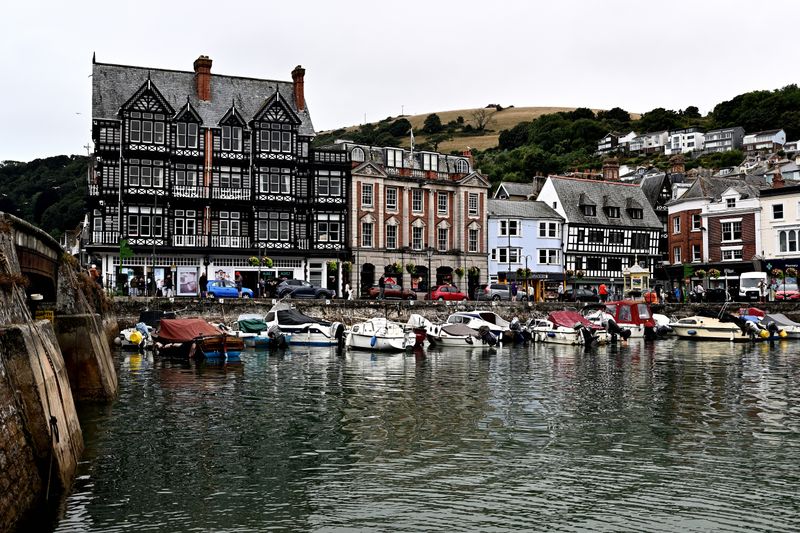
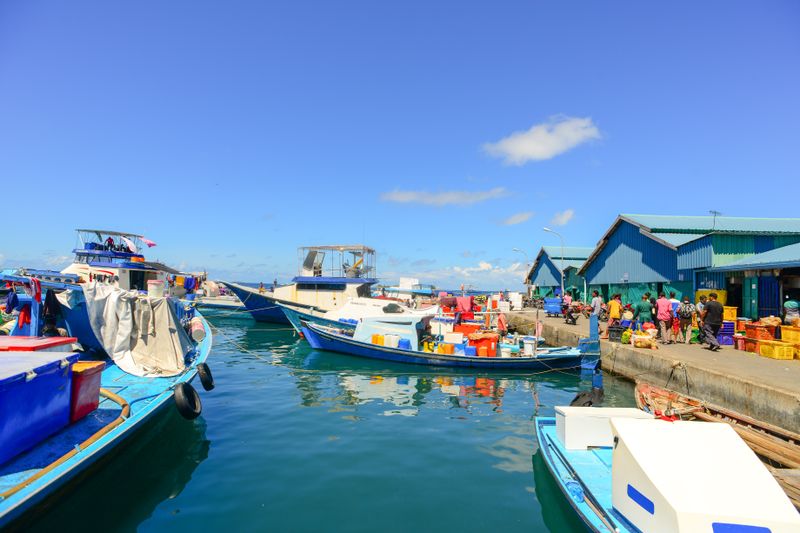
Farm workboats are different from fishing boats: flat decked, crane equipped and out on the same short run every day. The daily rhythm is industrial rather than tidal, since feeding and husbandry follow a schedule rather than the water. Quay space fills with gear, feed pallets, nets and cleaning equipment that does not look like a fishing port at all.
Traffic ashore increases, because feed and harvest move by lorry on a regular timetable rather than by market day. For a small harbour, this can be the difference between a berth that earns money all year and one that does not.
The employment argument
Aquaculture jobs are typically year-round and salaried, which is unusual on a coast built around seasonal earnings. Year-round employment supports year-round housing demand, which supports schools and the services that follow them. That is why remote coastal communities frequently weigh a farm proposal in terms of school rolls rather than fish.
Along that stretch of coast, the counterargument is that the jobs are fewer than the operation's footprint suggests and increasingly automated. Both points are usually true at once, which is why these decisions are argued about at length locally.
The environmental debate, honestly
Concerns raised about finfish farming include waste deposition beneath cages, parasite transfer and escapes into wild populations. Operators point to regulated siting, fallowing between cycles, monitoring requirements and improvements in containment. The evidence base is genuinely contested in places, varies by species and site, and is still developing.
With the tide out, regulatory regimes differ enormously between countries, so a practice permitted in one jurisdiction may be prohibited nearby.
Anyone forming a view is better served by the local regulator's monitoring reports than by campaign material from either side.
Shellfish are a different business
Mussels, oysters and clams are filter feeders, so they take their food from the water rather than from feed delivered by boat. That makes them dependent on water quality, and it makes water quality a commercial matter rather than an abstract one. Harvesting areas are classified in many jurisdictions, with treatment requirements that depend on the classification.
Before the first ferry, monitoring for biotoxins and bacteria can close an area at short notice after heavy rain or an algal bloom. This is exactly why shellfish gathered privately from an unclassified shore carries a risk that commercial product does not.
Prices and opening hours on a seasonal coast are close to fiction outside the season.
What a visitor sees
Lines of surface floats in a sheltered bay usually indicate a suspended culture of mussels or scallops below them. Rows of trestles exposed at low water are typically oysters, and the layout follows the tidal frame precisely.
On the water, circular or square cage groups with a feed barge alongside indicate finfish, and they are working sites rather than viewpoints. Nothing should be taken from farm structures, which are private property and part of a food business. Local shellfish and biotoxin notices are published by health authorities, and they are the source that matters.
The takeaway
Where a harbour works all year on a coast that used to work six months, look for a farm site round the corner.
Arrive a day early. A coastline rarely rewards a tight schedule.
Questions readers ask
Is it safe to collect shellfish from the shore?
It depends entirely on local classification, monitoring and closures, which vary by country and can change within days after rain or a bloom. Public health authorities publish the current position, and that is the only reliable source.
Why are farm sites always in the prettiest bays?
Because the qualities that make a bay sheltered and scenic are the same ones that make it viable for growing shellfish or fish. The conflict between visual amenity and coastal employment is genuine rather than manufactured.
Also by Nandini Kamath
- A Steep Beach and a Shelving Beach Are Different SwimsBeaches & Swimming
- Sighting, Drift and Swimming in a Straight Line at SeaBeaches & Swimming
- Why Harbour Towns Eat Early and Shut in the AfternoonHarbour Towns
- Drying Harbours: Boats on the Mud Twice a DayHarbour Towns