Harbour Towns
Drying Harbours: Boats on the Mud Twice a Day
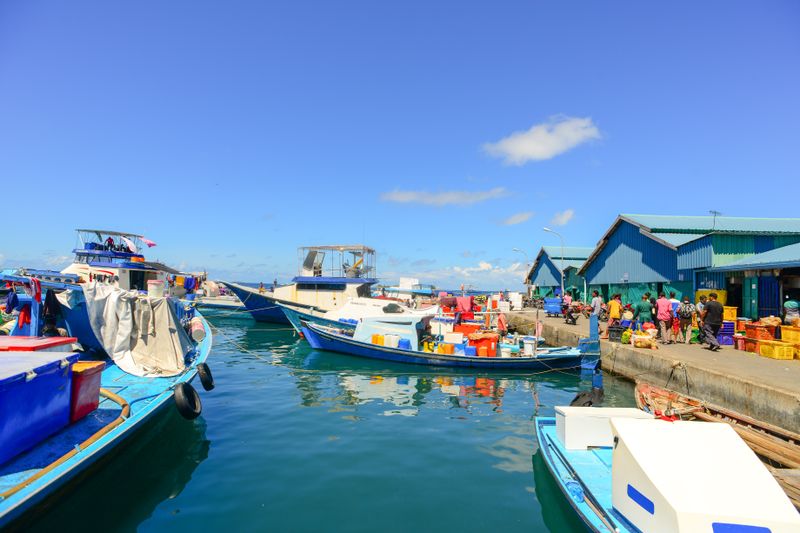
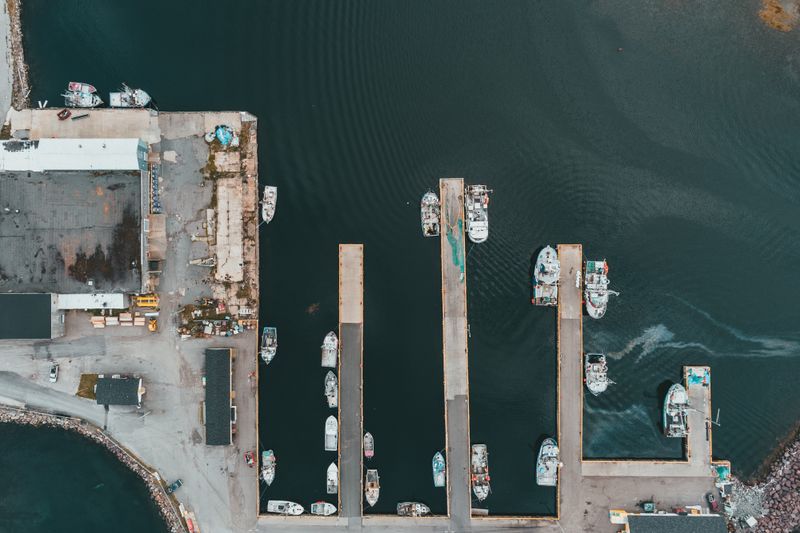
Where the tidal range exceeds the depth, the harbour empties completely, and everything about the town works around that.
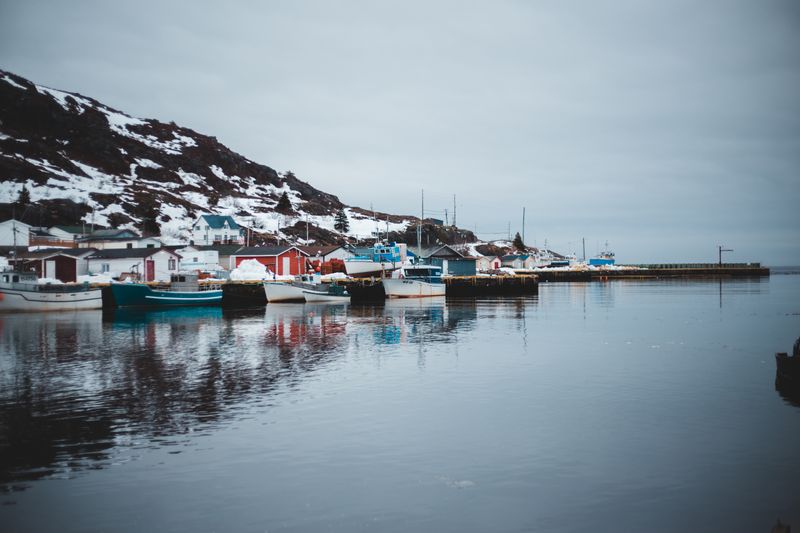
This works through harbours that dry at low tide in the order the parts actually depend on each other.
The short version
- A drying harbour has no water for part of every tidal cycle.
- Boats there are built or fitted to sit upright on the bottom.
- Access times for visiting craft are tightly constrained.
What drying actually means
A drying harbour is one where the seabed inside is above the level of low water, so the basin empties on every tide. Boats settle onto the mud, sand or gravel and sit there until the flood tide floats them again several hours later.
Charts mark drying heights with a distinct notation, and it is one of the more consequential symbols for a visitor to recognise. The harbour is fully usable for a window around high water and completely unusable for the hours either side of low. That rhythm shapes the working day, the fishing, the visiting yachts and even when the harbourside cafes are busy.
Boats built to take the ground
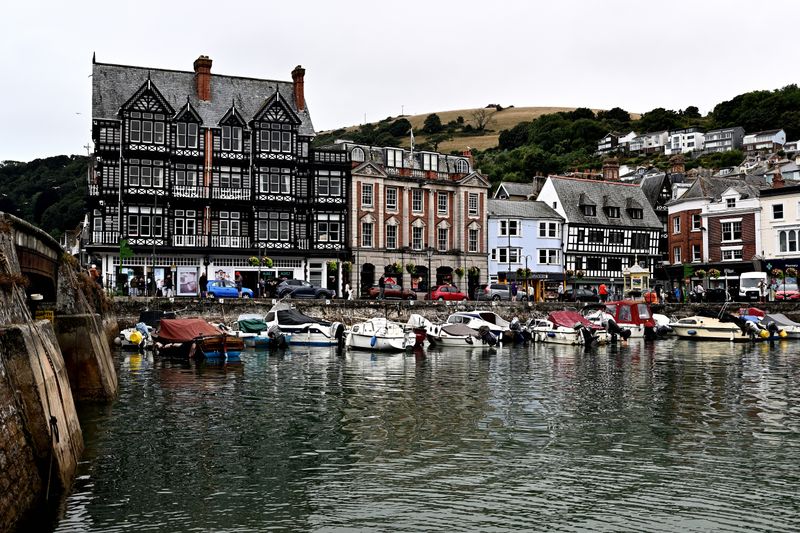
Vessels using drying harbours need flat bottoms, bilge keels or legs so that they settle upright rather than falling over. A deep single-keeled yacht in a drying berth requires either legs or a wall to lean against, which is why you see boats propped alongside. Moorings are laid so a boat settles on clean ground rather than on rock, old chain or debris.
Damage happens when a boat dries out on an unexpected obstruction, which is why local berthing advice is specific. Watching a harbour dry and refill is one of the clearest demonstrations of tidal range you can find anywhere.
Timing a visit
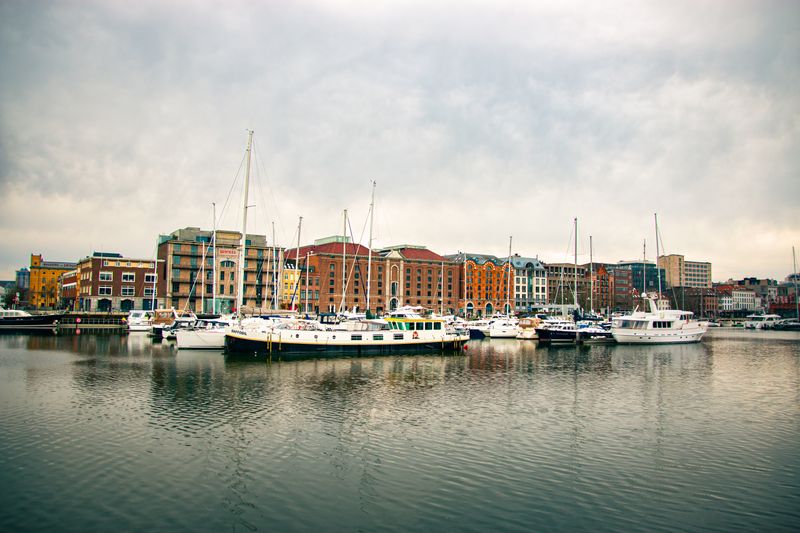
A photograph of a drying harbour full of water and one of it as a mud basin are both accurate and hours apart. Visiting near high water shows the working harbour; visiting near low shows the structure, the ground and the wrecks. The times shift by roughly fifty minutes a day, so a repeat visit at the same clock hour looks different.
With the tide out, spring tides fill the harbour higher and empty it further than neaps, which changes the picture again across the month. Checking a tide table for the specific port before you set off costs nothing and decides what you will actually see.
Walking on the harbour bed
Exposed harbour mud is often deep, soft and littered with chain, mooring blocks, glass and old ironwork. The flood tide arrives across flat ground faster than people expect and fills channels before the surrounding bed. Where access is permitted at all, it is usually restricted to a marked area and a stated period.
Local signage about mud, quicksand-like patches and rising water is based on actual incidents rather than caution.
The safe view is from the quay or the wall, which also gives you a better sense of the whole basin.
The town that grew around it
Drying harbours favoured small shallow-draught boats, which shaped the local fishing tradition and the size of the fleet. Larger vessels went elsewhere, which is why some drying ports never industrialised and kept their older layout. Slipways and hards were built at specific gradients so boats could be recovered across a range of tide states.
Along that stretch of coast, warehouses and cellars sit directly on the quay because loading happened in a narrow window and had to be quick. The physical town is a direct record of the constraint the harbour imposed.
Timetables on small routes shift with the season and with the weather on the day.
Visiting by boat
Access for visiting craft is limited to a stated number of hours either side of high water and varies with the boat's draught. Harbour offices publish that guidance and it should be confirmed with them rather than estimated from a chart.
Along that stretch of coast, arriving late in the window means either waiting outside for hours or anchoring somewhere less sheltered. Departure is constrained identically, so a drying harbour effectively schedules your whole day. Many crews treat that as a feature, since it enforces an evening ashore rather than a rushed passage.
The takeaway
Look up the tide for the port itself, then decide which version of the harbour you came to see.
Arrive a day early. A coastline rarely rewards a tight schedule.
Questions readers ask
Do boats get damaged sitting on the bottom?
Not if they are suited to it and the ground is clean. Problems come from unsuitable hull shapes, debris on the bed or an unexpected berth, which is why local berthing advice matters.
When should I visit a drying harbour?
Both states are worth seeing. Near high water for the working harbour, near low water for the structure and the ground. Check a tide table for that specific port before travelling.
Also by Nandini Kamath
- A Steep Beach and a Shelving Beach Are Different SwimsBeaches & Swimming
- Sighting, Drift and Swimming in a Straight Line at SeaBeaches & Swimming
- Why Harbour Towns Eat Early and Shut in the AfternoonHarbour Towns
- Ferry Ports and Fishing Ports Are Two Different TownsHarbour Towns