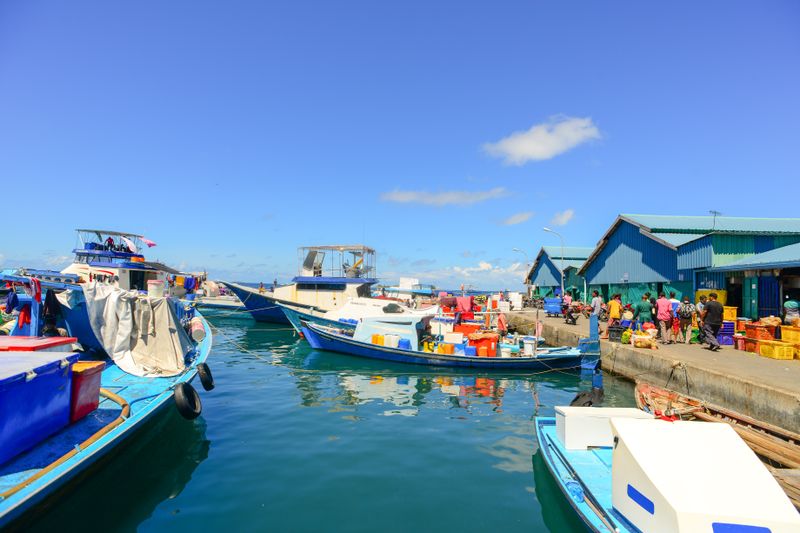
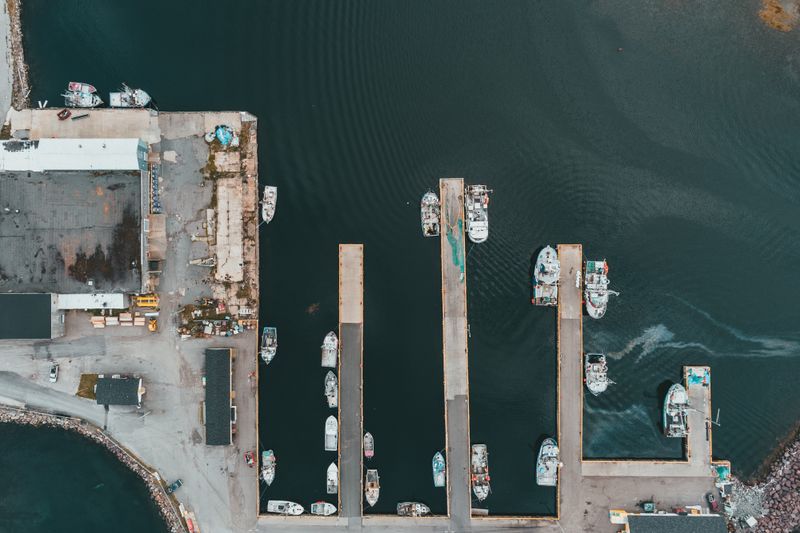
Harbour Towns
Why Harbour Towns Eat Early and Shut in the Afternoon
Kitchens in a working port keep the hours of the people who work there, which are set by boats rather than by holidays.
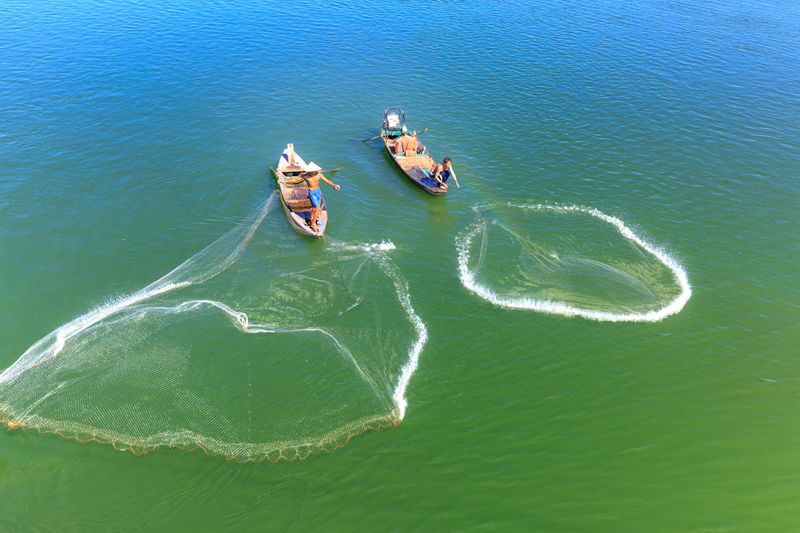
What follows is an argument about eating hours in working ports, and about where the received version of it stops being true.
The argument in brief
- Working ports serve food around crew shifts rather than visitor patterns.
- A long afternoon closure is common in hot and in fishing regions.
- Menus follow what was landed rather than what is printed.
Who the kitchen is really cooking for
In a genuine working port a large share of custom comes from crews, merchants, drivers and shore staff. Those people eat at the start and end of a working period, which is early morning and mid afternoon rather than eight in the evening. A cafe that opens at five in the morning is not being quaint; it is serving the people who are already awake.
Kitchens then close through the middle of the day because there is nobody to serve until the next shift. Visitors who adopt those hours eat better and cheaper than visitors who insist on their own timetable.
The long afternoon closure
In hot climates the afternoon closure is partly about heat, and everything reopens when the temperature drops. In fishing regions it is more often about the working day, with staff resting between an early start and an evening service.
Either way, arriving at two in the afternoon looking for lunch is the most common visitor mistake in a port town. Shops, bakeries and even harbour offices frequently follow the same pattern, so it is not only restaurants. Reading the opening hours on the door on your first morning saves the entire week of misjudging it.
Menus that follow the landings
A short menu in a fishing town usually reflects what came in rather than a limited kitchen. Species vary by season and by what the local fleet targets, so the fish available changes through the year.
A board written by hand and changed daily is a good sign; a laminated menu with thirty fish dishes is a different signal. Asking what was landed today is a normal question and will usually get a direct and specific answer. Availability genuinely runs out, and the dish being gone at eight in the evening means the fish was finite.
Where the fish actually goes
Much of a port's catch is sold at market and moved to cities or exported, sometimes leaving the region entirely. That is why a famous fishing town can have surprisingly limited fish on its own menus. Species with high export value may be almost absent locally while less valued fish are eaten daily.
Out of season, local specialities often developed around what nobody would buy, which is why they are frequently the best thing there.
Ordering the local rather than the famous species is usually cheaper, fresher and more interesting.
Days when nothing is open
Ports commonly have a quiet day tied to the market cycle or the fleet's working week rather than to a weekend. Off season the pattern tightens further, and some places open only when the fleet is landing. Public holidays and local festivals can close a whole harbour front with very little visible notice.
A single bakery or a shop with a kettle may be the entire provision on those days. Carrying something to eat on the day you arrive removes the risk of finding out the hard way.
Prices and opening hours on a seasonal coast are close to fiction outside the season.
Getting the timing right
Eat your main meal in the middle of the day when the kitchens are running for the working crowd. Book in the evening in high season, because a small port has a small number of tables and they fill. Be early rather than fashionably late, since kitchens close when the last shift has been fed.
Out of season, watch where vans and work boots go rather than where the harbour view is best. A port town rewards adjusting to it and frustrates anyone who expects it to adjust to them.
The takeaway
Eat when the crews eat, and ask what came in rather than what is on the menu.
Weather is the itinerary. Everything else is a preference.
Questions readers ask
Why is everything shut when I arrive in the afternoon?
Because the working day in a port has two peaks and a gap in the middle. Check posted hours on your first morning and plan meals around them.
Is fish always cheaper at the coast?
Not necessarily. Much of the catch is sold into markets that pay more elsewhere, so the local price reflects that market rather than proximity to the boat.
Also by Nandini Kamath
- A Steep Beach and a Shelving Beach Are Different SwimsBeaches & Swimming
- Sighting, Drift and Swimming in a Straight Line at SeaBeaches & Swimming
- Drying Harbours: Boats on the Mud Twice a DayHarbour Towns
- Ferry Ports and Fishing Ports Are Two Different TownsHarbour Towns