Harbour Towns
Ferry Ports and Fishing Ports Are Two Different Towns
One is built around a timetable and a car park, the other around a tide and a market, and they feel nothing alike.
There is a short answer about the difference between port types and a useful one, and they are not the same. What follows is the useful one.
The short version
- Ferry ports are organised around vehicle marshalling and scheduled arrivals.
- Fishing ports are organised around landing, ice and market access.
- Cargo ports are usually closed to the public entirely.
What a ferry port is optimised for
A ferry terminal exists to move large numbers of vehicles and people through a single point on a schedule. That requires marshalling lanes, holding areas, ramps and road access, all of which take up a great deal of flat land.
The town around it experiences concentrated pulses of traffic at sailing times and near-silence between them. Businesses cluster to catch that pulse, which is why terminal areas have a particular kind of cafe and shop. It is rarely an attractive part of a town, because the land use is functional and dominated by tarmac.
What a fishing port is optimised for
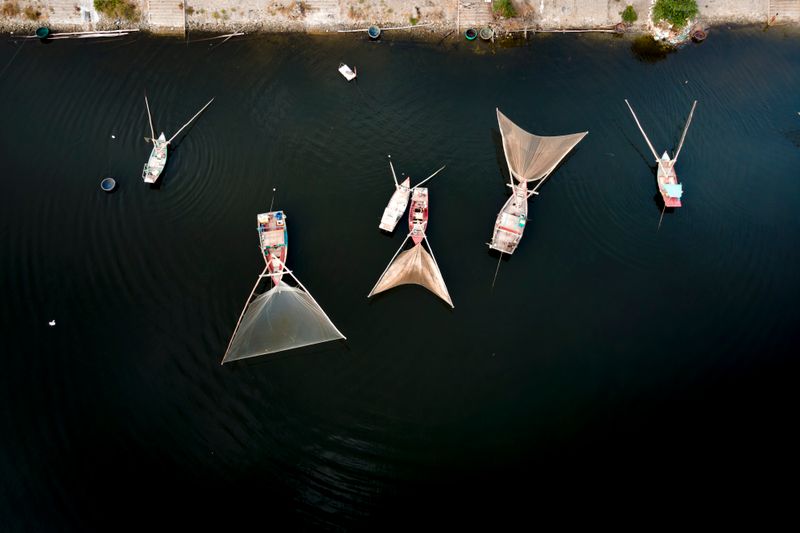
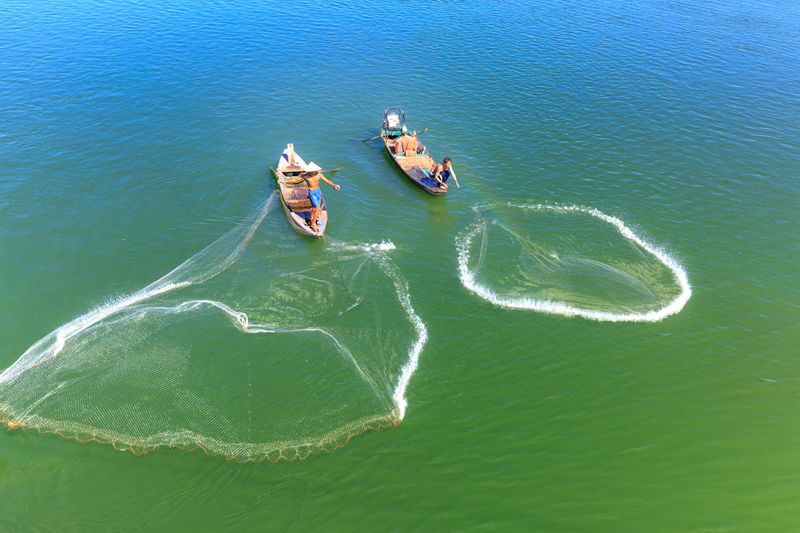
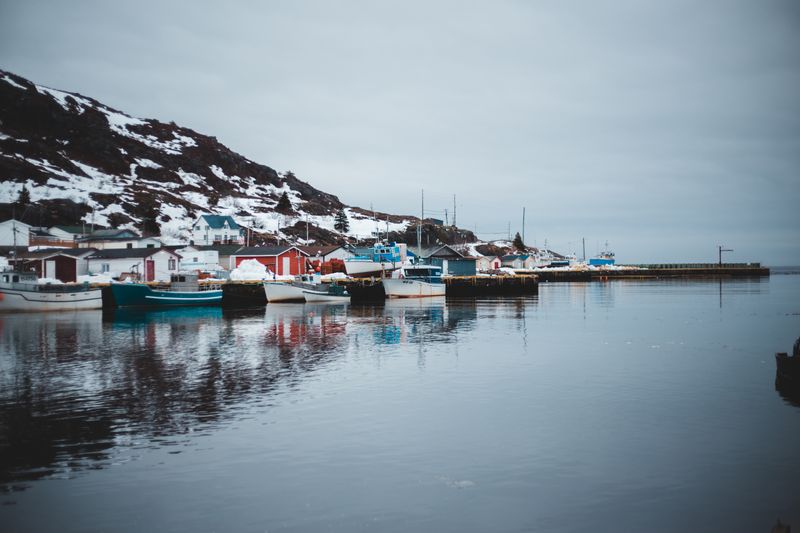
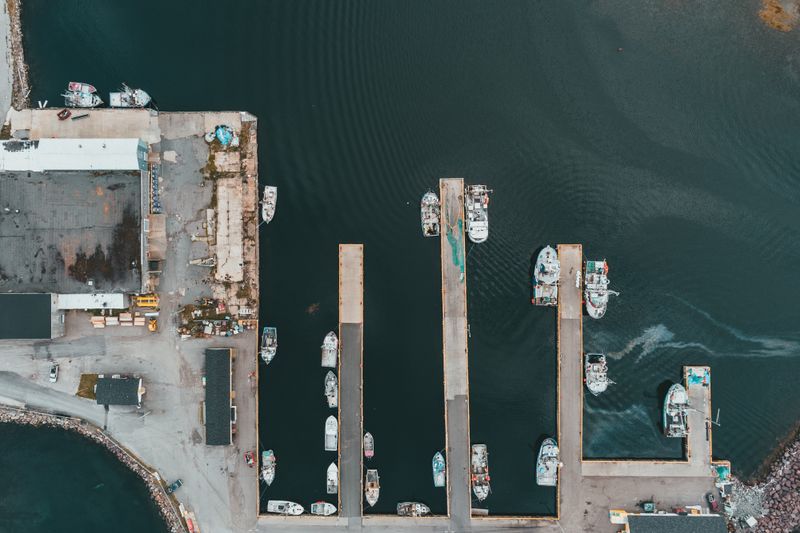
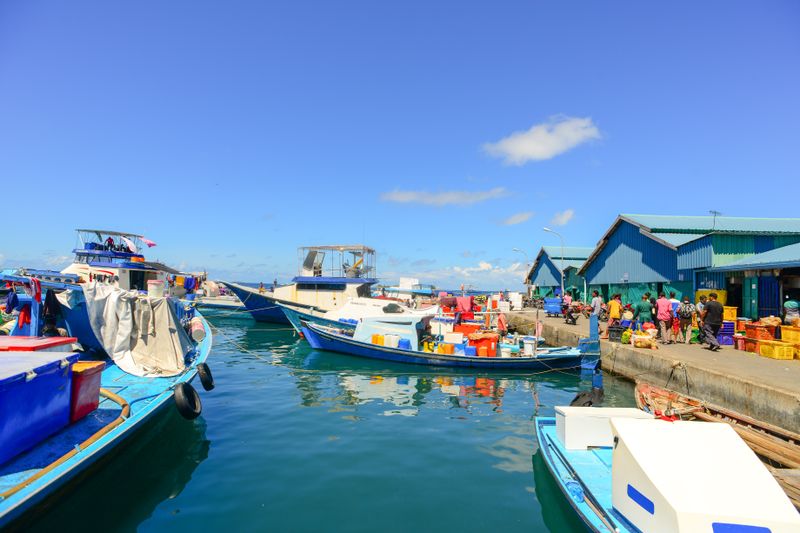
A fishing port needs quay length, ice, fuel, water, gear storage and quick access for refrigerated lorries. The buildings are working ones, and much of the quay is inaccessible or actively unwelcoming to pedestrians. Activity is early and weather-dependent rather than scheduled, which makes the port feel unpredictable to visitors.
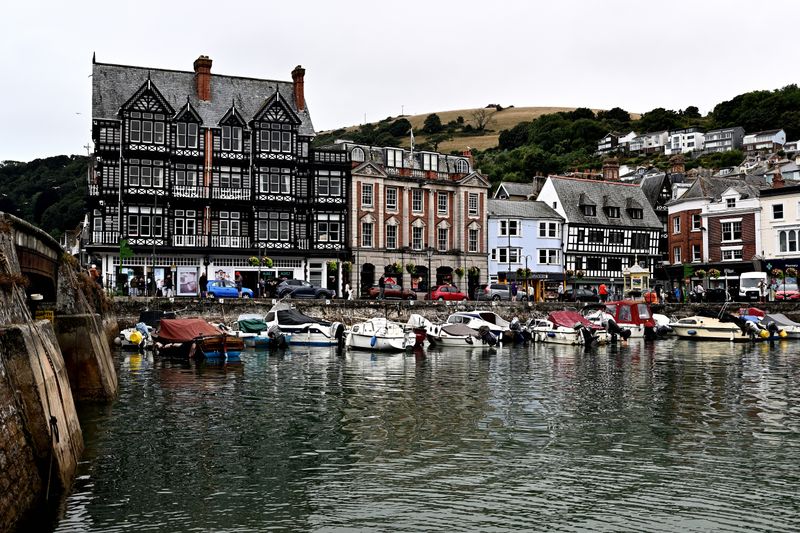
With the tide out, the town behind it is usually older and denser, because it grew before roads mattered more than water. Its character comes from that layout, not from anything that was designed for visitors.
Cargo and industrial ports
Container and bulk terminals are secure sites with restricted access, and there is generally nothing to see from inside. They are frequently sited away from historic centres because they need deep water and enormous land area. Where an old port has been superseded by a modern terminal, the historic quays are often converted to housing or marinas.
That conversion is why so many attractive waterfronts have no working boats on them at all. Understanding which kind of port you are visiting sets realistic expectations before you arrive.
Marinas and the leisure harbour
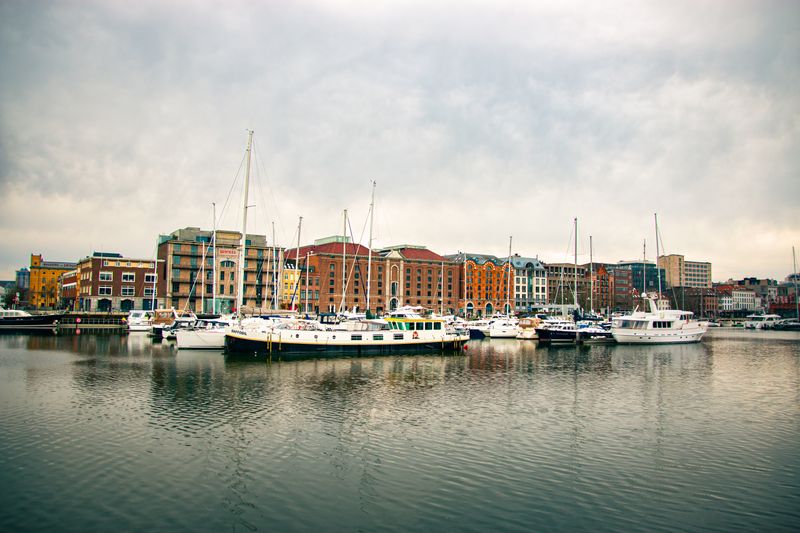
A marina is built for private craft, with pontoons, services and a completely different economic base. Marinas are generally clean, quiet, well provided with facilities and largely disconnected from the sea's working life. Many harbours now combine a small working fleet with a much larger leisure basin, and the balance shifts over time.
When the wind turns, counting working boats against leisure ones is a quick way to read where a harbour is in that transition.
Both are legitimate; they are simply different places with different rhythms and different opening hours.
Choosing where to stay
Staying near a ferry terminal is convenient for an early sailing and unpleasant for a relaxed evening. Staying in a working fishing port means early noise, which is genuine and starts before dawn.
Marina towns are quieter, more expensive and generally better provided with food and services. Reading a satellite image of the waterfront before booking answers most of this in about a minute. The right answer depends entirely on which of the three you actually want.
Timetables on small routes shift with the season and with the weather on the day.
Where the interesting parts usually are
In a ferry town, the interesting part is almost always away from the terminal, often in the older core. In a fishing port, the interesting part is the quay itself, at the right hour, watched from a respectful distance. In a converted port, the interest is architectural and historical rather than operational.
Along that stretch of coast, harbour offices, lifeboat stations and small local museums are consistently underrated in all three. Walking the whole waterfront once on arrival orients you better than any amount of advance reading.
The takeaway
Work out which kind of port it is before you book a room on its waterfront.
Arrive a day early. A coastline rarely rewards a tight schedule.
Questions readers ask
Why do ferry ports feel so bleak?
Because they are engineered for vehicle throughput, which requires large flat areas of tarmac. The town of interest is usually elsewhere, often a short walk from the terminal.
Can I visit a container terminal?
Generally no. They are secure operational sites with strict access control. Some ports run occasional organised tours, which is the only realistic route in.
Also by Nandini Kamath
- A Steep Beach and a Shelving Beach Are Different SwimsBeaches & Swimming
- Sighting, Drift and Swimming in a Straight Line at SeaBeaches & Swimming
- Why Harbour Towns Eat Early and Shut in the AfternoonHarbour Towns
- Drying Harbours: Boats on the Mud Twice a DayHarbour Towns