Harbour Towns
A Fishing Harbour Runs on the Tide, Not on Opening Hours
Boats land when the water and the market allow, which is why a working quay is busy at dawn and empty at lunchtime.
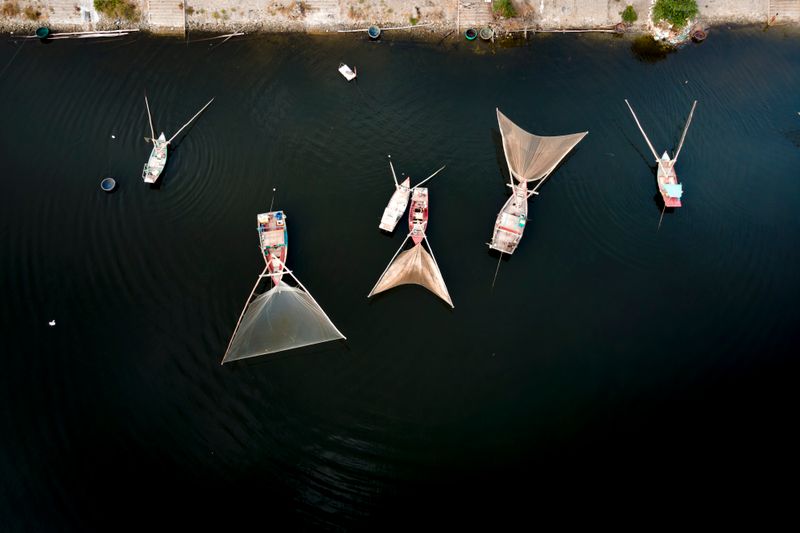
Everything below about the working rhythm of a fishing port comes from what actually happens rather than from what is supposed to.
What holds up in practice
- Many harbours have a tidal window for entering and leaving.
- Landing times are set by market and buyer schedules as well as tides.
- The quay is a workplace with vehicles, ice and moving gear.
The tide sets the timetable
A harbour that dries or has a shallow entrance can only be entered and left within a window either side of high water. That window moves later by roughly fifty minutes each day, so the harbour is busy at a different hour each morning. Deep water ports do not have that constraint, but their fleets still work to market times and to the weather.
When you find a quay entirely deserted, the most likely explanation is the state of the tide rather than the season. Asking anyone on the quay when the boats are due back will usually get a precise and friendly answer.
The market at the other end
Fish is landed to reach a buyer, and the buyer's schedule determines when a boat wants to be alongside. Early morning landings suit markets and onward transport, which is why quays are busiest before most visitors are awake.
On the water, day boats working close inshore return daily; larger vessels may be at sea for days and land on a longer cycle. The species being targeted also sets the pattern, since some fisheries are worked at night and others by day. What looks like an irregular rhythm is usually a very precise response to a chain that ends in a lorry.
Weather stops everything
Small inshore boats stop working in conditions that a visitor standing on the quay would describe as merely breezy. A run of bad weather empties a harbour of activity and fills it with boats, which is the opposite of what people expect. After a blow, everything happens at once as the whole fleet goes out and lands within the same short period.
Out of season, fish prices respond to that, rising when landings are scarce and falling when the whole fleet lands together. The fleet sitting in port on a sunny day usually means the sea state further out is worse than it looks.
Behaving on a working quay
A quay is an industrial workplace with forklifts, ice, moving ropes and edges that mostly have no railing. Ropes under load can move suddenly, and standing inside a bight of rope on a quay is genuinely dangerous.
Wet fish boxes, algae and diesel make quay surfaces slippery in a way that ordinary pavement never is. Keep clear of the working area, do not photograph people at work without asking, and never block a vehicle route.
Watching from a respectful distance sees more than getting close, and it does not interrupt anyone's morning.
What you can actually see
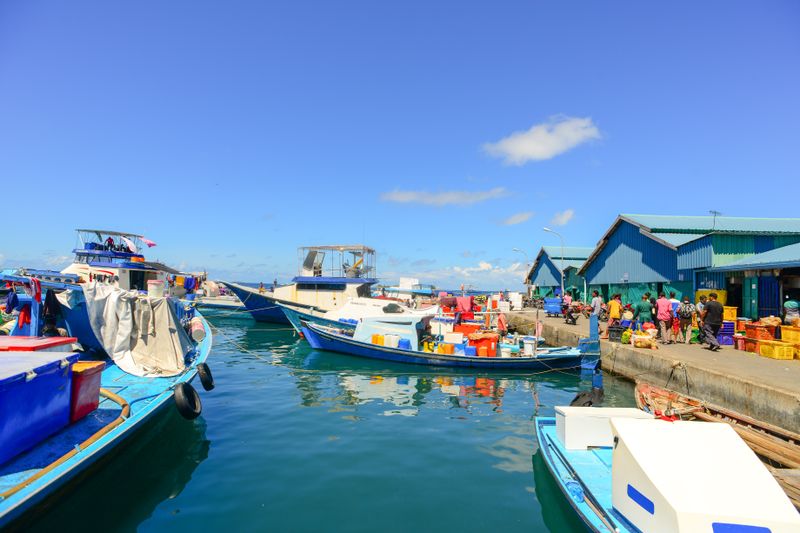
Landing, sorting, icing and loading are all visible from public parts of most harbours if you are there at the right hour. Net mending, pot stacking and gear maintenance happen through the day and are as interesting as the landing itself. The type of gear stacked on the quay tells you what the port fishes, from creels and pots to trawl doors and nets.
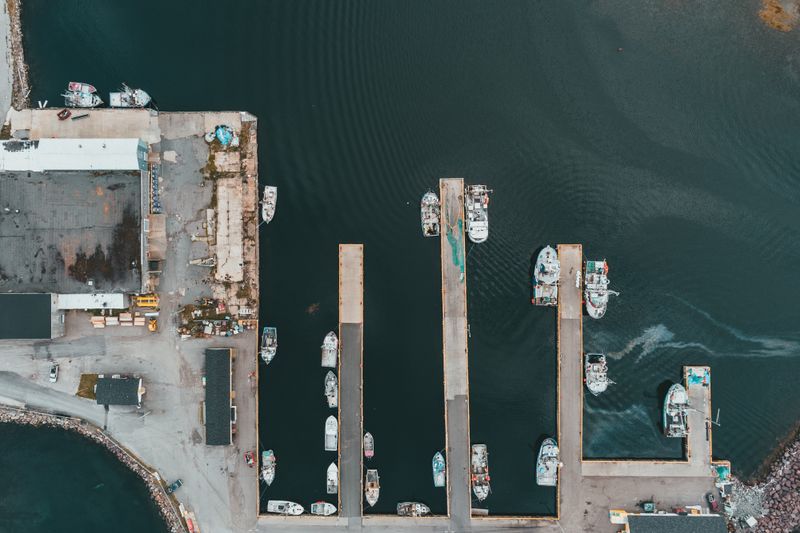
Along that stretch of coast, ice plants, fuel berths and chandleries are the infrastructure that shows a port is genuinely working. A harbour with none of those and a lot of pleasure craft has changed its function, which is worth noticing.
Harbour towns work for a living, and access is not owed to visitors.
Buying fish, realistically
Most landed fish goes straight to a merchant, a market or an onward buyer rather than being sold on the quay. Direct sales to the public exist in some ports and are usually restricted, licensed and specific about times. Where a harbour shop or a fishermen's cooperative exists, that is the honest route rather than approaching a boat.
Local rules on selling shellfish in particular are strict for good public health reasons. Asking at the harbour office is more productive than asking on the quay while people are working.
The takeaway
Find out the tidal window and be on the quay when the boats come in, not when the cafes open.
Weather is the itinerary. Everything else is a preference.
Questions readers ask
When is the best time to watch a harbour working?
Usually early morning, but the specific hour depends on the tidal window and the market. Ask locally rather than assuming, since the time shifts through the month.
Can I buy fish directly from a boat?
Sometimes, where local rules permit and the port has arrangements for it. In many places direct sales are restricted, so a harbour shop or cooperative is the reliable route.