Harbour Towns
A Harbour After the Fleet Has Gone
Ports lose their fishing for reasons that are mostly economic and regulatory, and the town that remains works differently.
Comparisons of harbours that lost their fishing fleet usually pick a winner. This one picks the circumstances, which is more useful.
The difference in one place
- Fleet decline usually follows quota, stock and vessel economics.
- Physical infrastructure outlives the industry that built it.
- Replacement economies are often seasonal and lower paid.
What actually removes a fleet
Quota systems, stock declines, vessel replacement costs and consolidation into fewer larger boats all reduce local fleet numbers. Ports that cannot take larger modern vessels lose them to deeper harbours with better road connections.
Once a port drops below a certain level of activity, the ice plant, the merchant and the fuel berth become unviable. Losing that infrastructure then makes the port unusable even for the boats that remain, which accelerates the decline. The process is usually gradual over decades rather than a single closure event.
What the buildings tell you
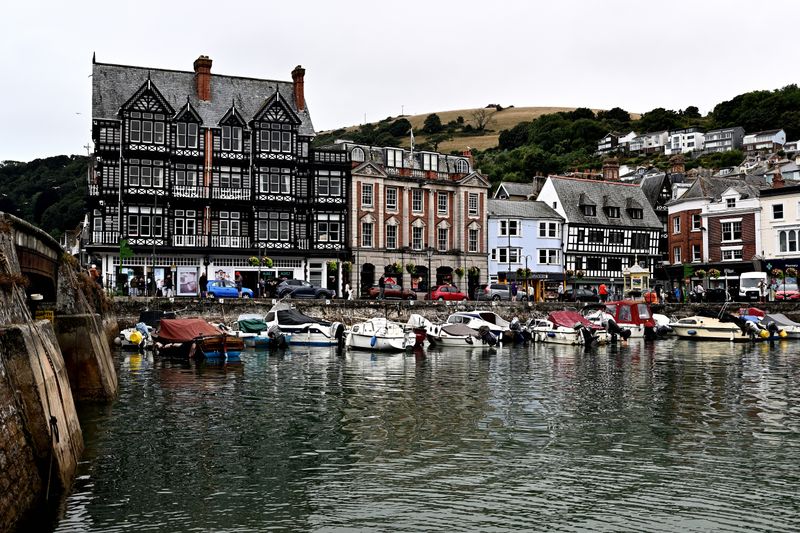
Net lofts, curing houses, ice stores and cooperage buildings survive for decades after the trade that required them has ended. Rails, winches, capstans and slipways embedded in the quay show how boats were handled in the period before engines and cranes. Large warehouses standing over a small harbour indicate a trade that was once much bigger than the current basin would suggest.
Conversions to flats and holiday lets are visible in the new windows cut into old loading openings on upper floors. Reading those details in sequence gives a more accurate history of the place than most interpretation boards manage to.
What replaces it
Tourism, second homes, marinas and small-scale shellfish fisheries are the common successors. Those economies are seasonal, which changes the shape of the year for everyone who lives there. Housing costs frequently rise faster than local wages, which pushes working-age residents out.
Schools, shops and bus services then come under pressure, which is a familiar pattern in many coastal regions. This is a live political issue in numerous countries and the specifics vary enormously.
Where fishing continues at a smaller scale
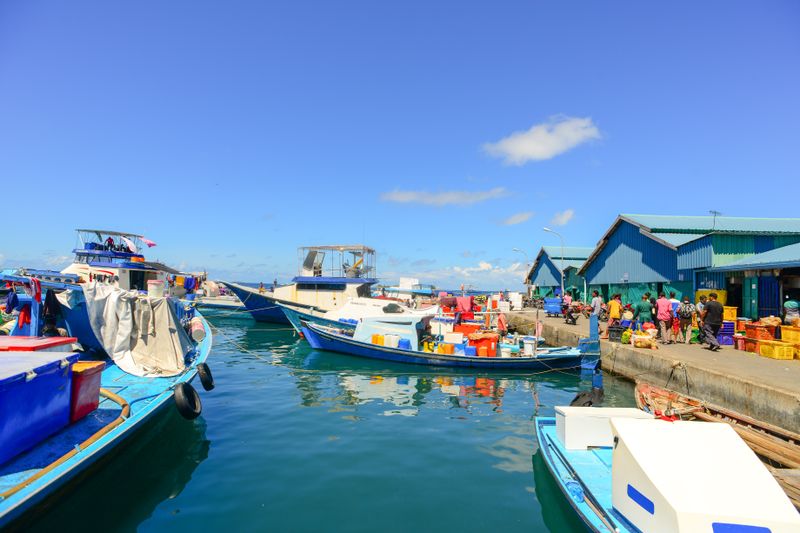
Inshore shellfish fisheries using creels and pots need less infrastructure and often persist where trawling ended. Day boats landing small volumes to local restaurants and direct sale schemes are a genuine and growing niche. Community-owned harbours and cooperatives have kept some ports working where private ownership had given up.
A handful of boats can keep a quay alive, and the difference between a few and none is very large.
Buying from those boats through legitimate channels is one of the few directly useful things a visitor can do.
Visiting thoughtfully
A quiet harbour is not a failed one, and describing it that way to residents lands badly. Spending money in the shop, the pub and the harbour café rather than only on a car park ticket makes a measurable difference. Out of season visits support businesses in the months that actually decide whether they survive.
With the tide out, local museums are frequently run by the families involved and hold the real record of what happened. Asking people about the fishing usually opens a long and worthwhile conversation.
Prices and opening hours on a seasonal coast are close to fiction outside the season.
Reading the harbour honestly
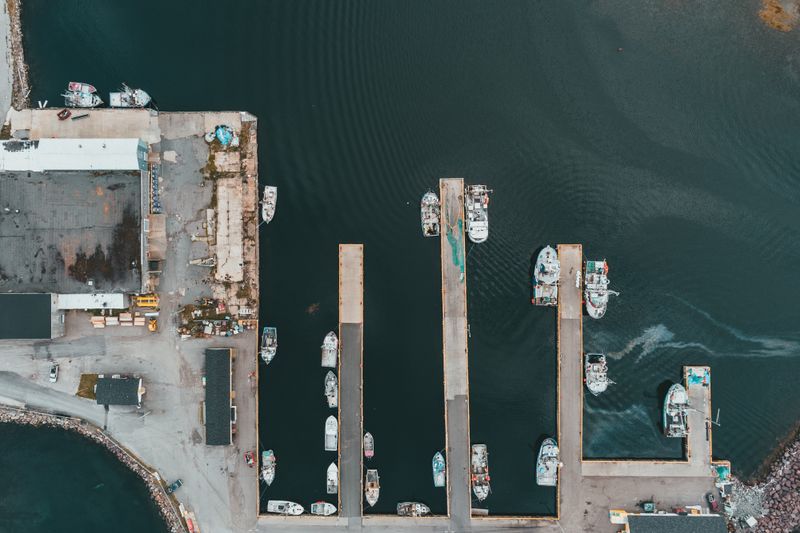
Count the working boats, look for ice and fuel on the quay, and see whether the fish merchant's unit is still occupied. Look at whether the lifeboat station is active and crewed, since that indicates continuing maritime activity in the area. Check whether the harbour entrance is still being dredged, because a silting channel is the clearest single sign of withdrawal.
Note how many of the quayside buildings are now residential rather than operational, and how recently they were converted. Those five observations together describe a harbour's current condition far better than any brochure written about the town.
Side by side
| Consideration | What it means in practice |
|---|---|
| What actually removes a fleet | Fleet decline usually follows quota, stock and vessel economics. |
| What the buildings tell you | Physical infrastructure outlives the industry that built it. |
| What replaces it | Replacement economies are often seasonal and lower paid. |
The takeaway
Count the working boats and check whether the ice plant is still running.
Weather is the itinerary. Everything else is a preference.
Questions readers ask
Why did so many small ports lose their fishing?
A combination of stock decline, quota allocation, the economics of larger vessels and the loss of supporting infrastructure. The exact mix varies by country and by port.
Is tourism bad for these towns?
It is usually the available replacement economy rather than a choice, and it brings both income and housing pressure. The debate is genuine and the balance differs from place to place.
Also by Nandini Kamath
- A Steep Beach and a Shelving Beach Are Different SwimsBeaches & Swimming
- Sighting, Drift and Swimming in a Straight Line at SeaBeaches & Swimming
- Why Harbour Towns Eat Early and Shut in the AfternoonHarbour Towns
- Drying Harbours: Boats on the Mud Twice a DayHarbour Towns