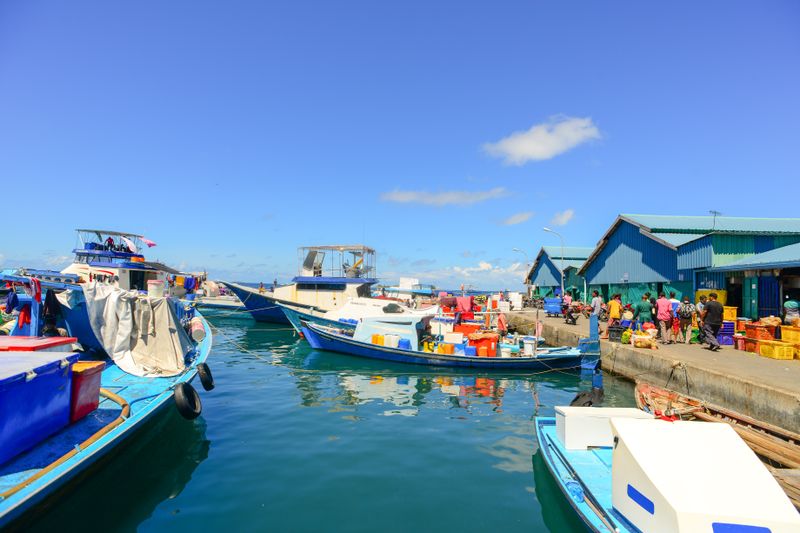
Harbour Towns
Winter Is When a Harbour Does Its Repairs
The boats come out, the yard fills up, and the town that looked closed is doing the work that makes the next season possible.
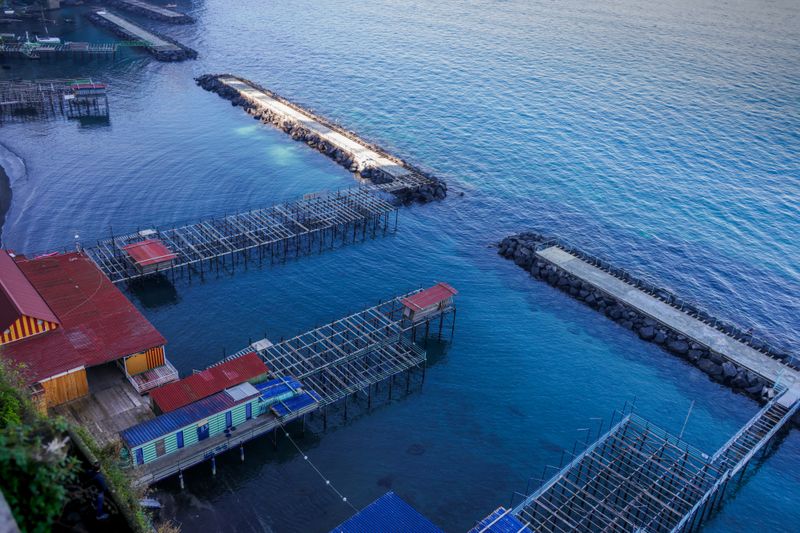
There is a settled way of talking about harbour maintenance seasons. It is worth asking how much of it survives contact with the detail.
The argument in brief
- Hull maintenance is scheduled for the months when boats are not earning.
- Structural harbour work needs low tides and settled weather windows together.
- Winter work supports a set of trades that are invisible in summer.
The season ends and the work starts
A boat earning money cannot be out of the water, so maintenance is compressed into the months when it is not earning. Yards therefore lift out in a rush after the season and are full through the darker part of the year.
The same applies to harbour infrastructure, which cannot be closed for repair during the busiest weeks. The result is a harbour that looks emptier and busier at the same time, depending on where you are standing. A town that appears shut in midwinter is frequently doing more skilled work than it does in August.
What happens to a hull
Everything below the waterline fouls: weed, barnacles and tube worms attach and increase drag substantially. Pressure washing straight after lift-out removes growth while it is soft, which is why yards work immediately. Antifouling coatings are renewed on a cycle, and their application is regulated in many countries for environmental reasons.
Along that stretch of coast, sacrificial anodes are replaced because they corrode instead of the propeller, shaft and other underwater metal. Surveys, insurance inspections and statutory checks are timed for the same period, since the hull is already accessible.
Harbour structures need a window too
Work on a quay wall, a slipway or a lifeboat slip has to happen in the part of the tide when the ground is dry. That means a low water working window, which on many coasts occurs at inconvenient hours and moves daily. Piling, concreting and diving work also need settled weather, and settled weather in winter is not guaranteed.
Contracts are therefore written with weather allowances, and a bad winter genuinely delays harbour projects. This is why a small piece of quay repair can occupy an entire off-season and still not finish.
The trades you never see in summer
Net makers, creel builders, engineers, welders and electricians do their heavy work while the fleet is tied up. Gear is repaired, replaced and modified for whatever the coming season's fishery is expected to require. These businesses are frequently in unmarked sheds behind the harbour and are the actual economic base of the town.
With the tide out, their presence is the best single indicator that a port is still working rather than being preserved.
When those trades leave, the fleet follows within a few years, because maintenance elsewhere costs time as well as money.
Winter weather sets the pace
Storms interrupt everything: yards stop lifting, divers stop working and deliveries are delayed on the road as well as the water. Short daylight compresses the working day, particularly for anything that cannot be done under lights.
Cold slows curing times for coatings and concrete, which extends schedules in ways that are not obvious. Salt spray reaches surprisingly far inland in a gale, and it affects stored equipment as well as buildings. Everyone plans for this, which is why local estimates of when work will finish tend to be cautious.
Prices and opening hours on a seasonal coast are close to fiction outside the season.
Visiting a harbour in its working season
Cafes and accommodation may be closed, but the harbour itself is more interesting than at any other time of year. Boats out of the water show their shape, and a hull ashore explains more about design than any book does. Yards are private working sites with heavy lifting equipment, so watching happens from outside the fence.
The people working are usually happy to explain what they are doing if you catch them at a natural pause. Winter light on a working harbour is also the best light it gets, which is a reasonable enough reason to be there.
The takeaway
A harbour in February is not closed; it is being rebuilt for a season that starts before the visitors notice.
Arrive a day early. A coastline rarely rewards a tight schedule.
Questions readers ask
Why are boats lifted out at all if they float?
Everything below the waterline needs inspection, cleaning and coating, and anodes, seacocks and shafts cannot be assessed properly in the water. Insurance and statutory surveys generally require it as well.
Is there any point visiting a harbour town in winter?
If you are interested in how the place works, it is arguably the best time: the yard is busy, the gear is being rebuilt and the fleet is alongside. Expect reduced services and check what is open before travelling.
Also by Nandini Kamath
- A Steep Beach and a Shelving Beach Are Different SwimsBeaches & Swimming
- Sighting, Drift and Swimming in a Straight Line at SeaBeaches & Swimming
- Why Harbour Towns Eat Early and Shut in the AfternoonHarbour Towns
- Drying Harbours: Boats on the Mud Twice a DayHarbour Towns