Islands
Island Hopping Rarely Works the Way the Map Suggests
Routes usually radiate from the mainland rather than linking neighbours, so two adjacent islands can be a day apart.

Everything below about connections between neighbouring islands comes from what actually happens rather than from what is supposed to.
What holds up in practice
- Most island services are spokes from a mainland port.
- Direct inter-island links are often seasonal or infrequent.
- A visible neighbouring island may require backtracking to reach.
Why the network looks the way it does
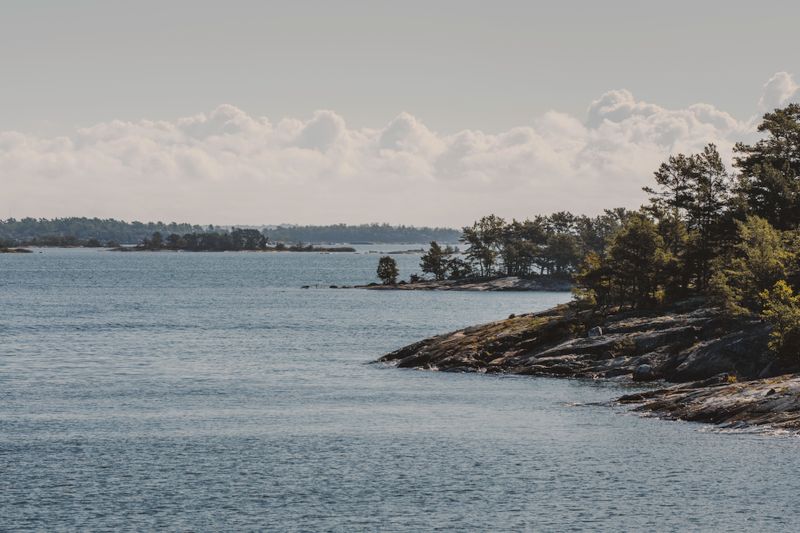
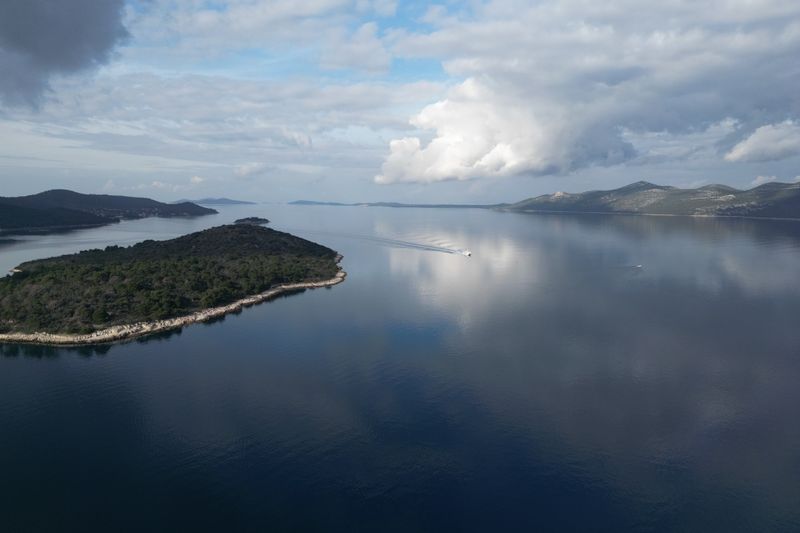
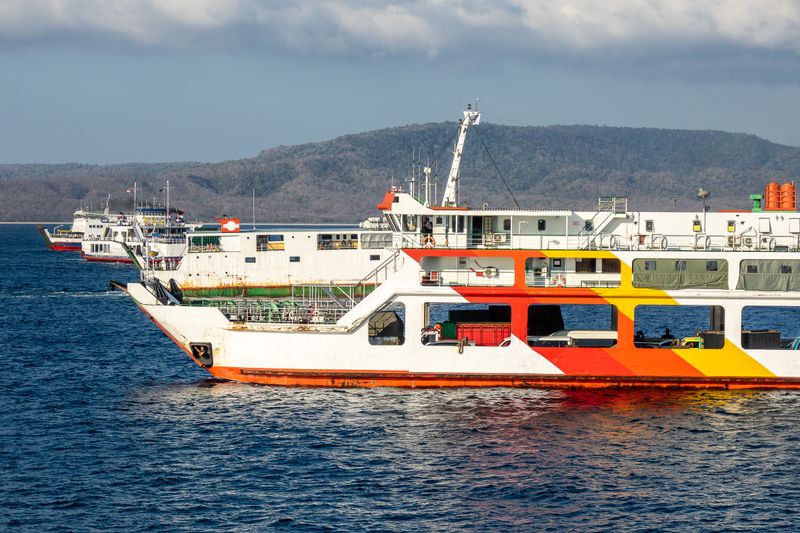
Island ferry services exist primarily to connect residents to mainland services such as hospitals, schools and supplies. That produces a hub-and-spoke pattern radiating from one or two mainland ports rather than a connected chain. Two islands within sight of each other may have no scheduled service between them at any time of year.
Where direct links exist, they are frequently summer-only or run on a small number of days each week. Planning a hop by looking at a map and assuming a link is the most common way an island itinerary fails.
Reading a route network properly
Start from the operator's route map rather than a geographical one, because it shows what actually runs. Note which port each service leaves from, since one mainland town may have two piers a long way apart. Check whether a service calls at intermediate islands, which is often how an apparent direct link exists.
When the wind turns, identify the frequency for your dates rather than the headline frequency shown for the season. Write the chain out as departure and arrival times before committing to any accommodation.
Backtracking is normal
Returning to the mainland to reach the next island is frequently the fastest available route. It feels wasteful on a map and is often the only option that runs on the day you need it.
Where a mainland link involves a long road transfer between ports, that leg needs its own timing check. A hire car left at one port while you travel from another is an expensive and common mistake. Accepting the backtrack early produces a better itinerary than trying to engineer around it.
Small boats and local operators
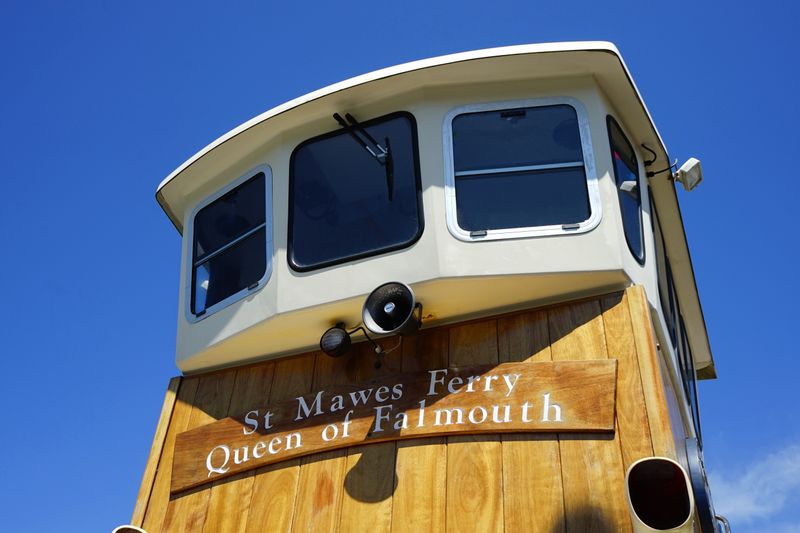
Some inter-island links are run by small local operators rather than the main ferry company. These may be seasonal, weather-dependent, cash-only, and not visible in any national journey planner. They are frequently the most enjoyable part of an island trip and the least reliable to plan around.
Booking directly and confirming a day or two ahead is the normal way they work.
Never build a chain where a small seasonal boat is the only link on a day with a fixed onward commitment.
Pacing a hopping trip
Two nights per island is the point at which a hop stops being a series of travel days. One-night stays mean arriving in the afternoon and leaving in the morning, which sees the pier and little else.
Out of season, building the itinerary around the least frequent link in the chain and filling in around it works better. Ending the trip on the island with the best mainland connection reduces the risk on the final leg. Fewer islands, properly seen, consistently produces a better trip than a longer list.
Timetables on small routes shift with the season and with the weather on the day.
Tickets and through-fares
Some operators sell multi-island passes or through-tickets, which can simplify a chain considerably. Conditions vary on whether a pass guarantees space, particularly for vehicles, so read that specifically. Where different operators are involved, a delay on one leg is unlikely to be protected on the next.
Keeping each leg refundable or flexible costs more and is worth it on a weather-exposed chain. Confirm whether a pass covers the small local links, since it frequently does not.
The takeaway
Build a hopping itinerary from the operator's route map, never from a map of the sea.
The best hours on any shore are the ones before the car parks fill.
Questions readers ask
Can I decide island hops as I go?
On networks with frequent services, yes. On low-frequency routes, deciding on the day usually means waiting several days, so the flexible approach needs a very open schedule.
Why is there no ferry between two islands I can see from each other?
Because the demand between them is small and both need a mainland link instead. Services follow where residents need to go, which is usually the mainland.