Islands
Island Prices Are Freight Prices, Not Tourist Prices
Almost everything on a small island arrived on a boat with limited space, and the invoice reflects that before anything else.

This works through the cost structure of island goods in the order the parts actually depend on each other.
The short version
- Freight cost per unit rises sharply as shipment volume falls.
- Heavy, bulky and chilled goods carry the largest premium.
- Labour and housing costs on islands are often higher too.
The economics of a small delivery
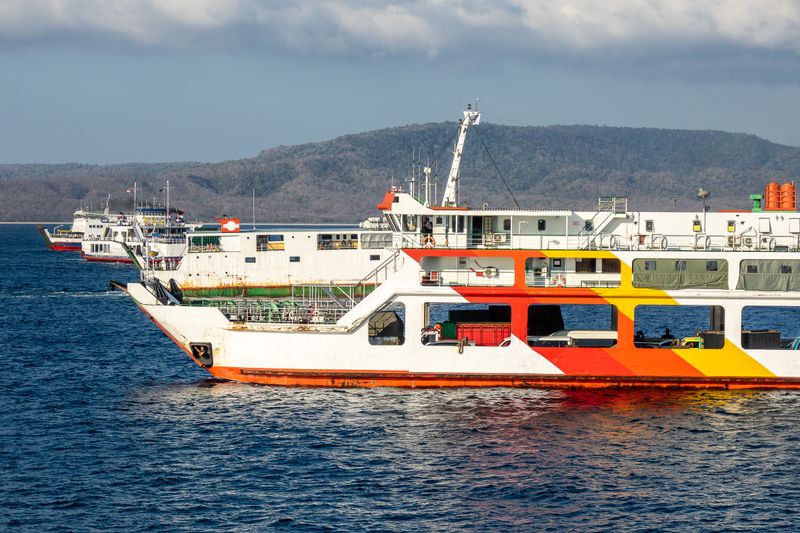
A full lorry travelling a motorway spreads its cost across a large number of items, which keeps the per-unit figure small. A part-pallet crossing on a ferry with a driver waiting for the return sailing spreads it across very few. That is the entire explanation for most island price differences, and it applies to residents as much as visitors.
Chilled and frozen goods add power and handling requirements, which is why dairy and meat show the biggest gaps. Building materials, fuel and gas are the extreme cases because weight dominates their transport cost.
Labour, housing and season
Island businesses frequently have to house their own seasonal staff, because rental stock is both scarce and expensive. A trading season measured in a few short months has to cover twelve months of fixed costs including rates and maintenance.
Along that stretch of coast, salt-laden air is corrosive, so buildings, vehicles and equipment all need repair and replacement faster than on the mainland. Skilled trades often have to be brought over from the mainland with travel and accommodation included in the price of the job. All of that eventually lands in the price of a coffee or a room, and almost none of it is opportunistic pricing.
Where the differences are largest
Fuel, gas, building materials and anything requiring refrigeration typically show the widest gaps. Fresh produce is variable, because a local grower may undercut everything while imported fruit does the opposite. Locally landed fish is sometimes cheaper than on the mainland and sometimes not, depending on where the catch is sold.
Out of season, manufactured goods and clothing are usually simply unavailable rather than expensive. Alcohol pricing varies with local licensing and duty arrangements more than with freight.
Reducing the bill sensibly
Bringing bulky consumables you will definitely use is legitimate and normal, particularly for a self-catering week. Buying fresh and local on the island while carrying dry staples across is the balance most regular visitors settle on.
With the tide out, filling the fuel tank before crossing is standard practice and can save a meaningful amount on a driving trip. Booking accommodation with a kitchen changes the economics of a longer stay substantially.
Stripping every purchase out of the local economy, though, undermines the shop you will want open next year.
Cash, cards and connectivity
Card acceptance depends on a data connection, and on some islands that connection is intermittent. Cash machines may be absent, may charge, or may run out at the busiest point of the week.
When the wind turns, small businesses sometimes have minimum card amounts, which is a cost-of-processing issue rather than an inconvenience tactic. Carrying a reasonable amount of local cash removes an entire category of problem. Check before travelling whether the island has any cash access at all, since several do not.
Timetables on small routes shift with the season and with the weather on the day.
What is actually good value
Walking, swimming, wildlife and the landscape itself cost nothing and are the reason to be there. Community-run facilities such as halls, museums and honesty-box shops are often excellent and inexpensive. Locally landed seafood eaten near where it was landed is frequently the best value meal available.
Out of season, longer stays amortise the crossing cost and are usually cheaper per day than a short visit. Judging an island on the price of a bottle of milk misses almost everything that makes it worth the journey.
The takeaway
The price on the shelf is mostly the cost of the crossing that brought it there.
Arrive a day early. A coastline rarely rewards a tight schedule.
Questions readers ask
Are island prices marked up for tourists?
Overwhelmingly the difference is freight, seasonality and higher operating costs. Residents pay the same elevated prices year round.
Is it cheaper to bring everything with me?
For bulky staples on a long self-catering stay, often yes. For a short visit the saving is small and the local shop depends on the trade.