Harbour Towns
The Lifeboat Station Is an Institution, Not an Attraction
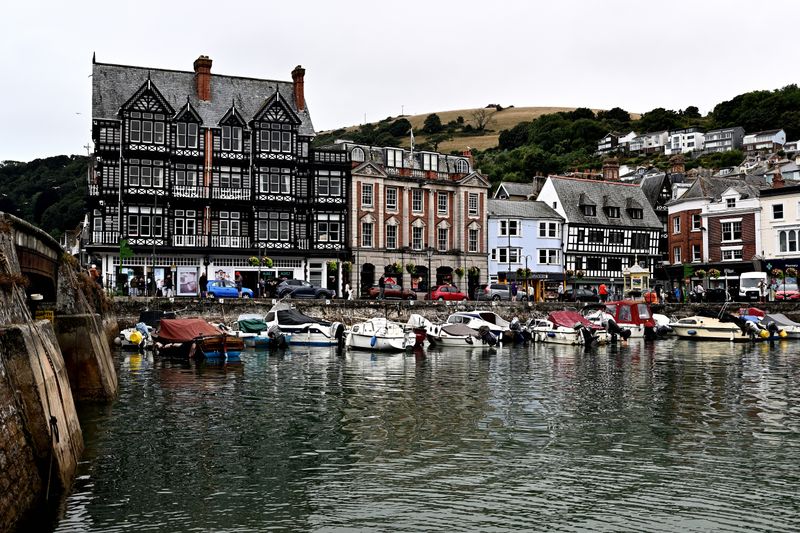
In many coastal towns the crew are neighbours with pagers, and the boathouse is the most important building on the quay.

This looks at coastal rescue services from the practical end — what holds up once conditions stop being ideal.
What holds up in practice
- Many national rescue services rely heavily on volunteer crews.
- Crews leave work and home when a pager goes off.
- Funding models differ, with some services entirely charity-funded.
How the service is usually staffed
In a large number of countries, coastal rescue is delivered by volunteer crews who live and work within minutes of the station. When a pager sounds, those people leave a shop counter, a workshop or a dinner table and run to the boathouse.
That is why a harbour town can produce a fully crewed launch within a very short time of a call. Shore crew, tractor drivers and station management are equally volunteer roles in most of these organisations. The model varies internationally, with some countries operating state services and others a mix.
What they actually get called to
A large share of callouts involve people cut off by the tide, swimmers in difficulty and small craft with engine failure. Many are entirely preventable, which is why rescue organisations put so much effort into public safety messaging. Coastal walkers, cliff photographers and inflatable users appear disproportionately in the statistics.
On the water, crews rarely express irritation about this, but the call still takes people away from their families at three in the morning. Following the basic advice about tides, flags and inflatables is a direct contribution to that workload.
Visiting a station properly
Many stations have visitor areas or open days and are genuinely welcoming, since public understanding supports funding. The boathouse itself is an operational building and access is controlled for good reasons. Never block the slipway, the launch route or the crew access road, including with a parked car.
If a launch happens while you are there, get well clear immediately and do not stand in the crew's path. Photographs of a launch are fine from a distance; standing in the way of one is not.
Funding and how it works
Some national services are funded almost entirely by donations rather than by government, which surprises many visitors. Station shops, collection boxes and open days are a meaningful part of that income. Equipment costs are substantial, and crew training is continuous rather than one-off.
Buying something small at the station shop is a straightforward way to support the service you may one day need.
Arrangements differ by country, so it is worth knowing how the local service is funded.
Calling for help correctly
Each country has a specific emergency number and procedure for coastal incidents, usually routed to a coastguard function. Give a precise location using a landmark, a beach name or a grid reference rather than a general description.
Stay on the line, keep the casualty in sight if you can, and do not enter the water yourself. Report a person who might be in difficulty rather than waiting to be certain, since early calls save time. Knowing the correct number for the country you are in before you need it takes thirty seconds.
The wider rescue picture
Coastguard teams, cliff rescue units, helicopters and beach lifeguards all form part of the same coordinated response. Beach lifeguards handle the majority of near-shore incidents and are the first line rather than the last.
Volunteer coast rescue teams cover cliffs, mud and shoreline searches that boats cannot reach. These services coordinate through a central authority rather than operating independently. Understanding that structure makes the standard advice about calling one number rather than several make sense.
The takeaway
Learn the coastal emergency number for wherever you are, and keep the slipway clear.
The best hours on any shore are the ones before the car parks fill.
Questions readers ask
Should I call for help if I am not sure someone is in trouble?
Yes. Rescue services consistently ask people to call early rather than waiting for certainty, because delay is the factor that most often turns an incident into a fatality.
Can I visit a lifeboat station?
Many have visitor areas or scheduled open days. The operational areas are restricted, and the launch route must be kept clear at all times.