Harbour Towns
Some Harbour Towns Have No Beach at All, and That Is Normal
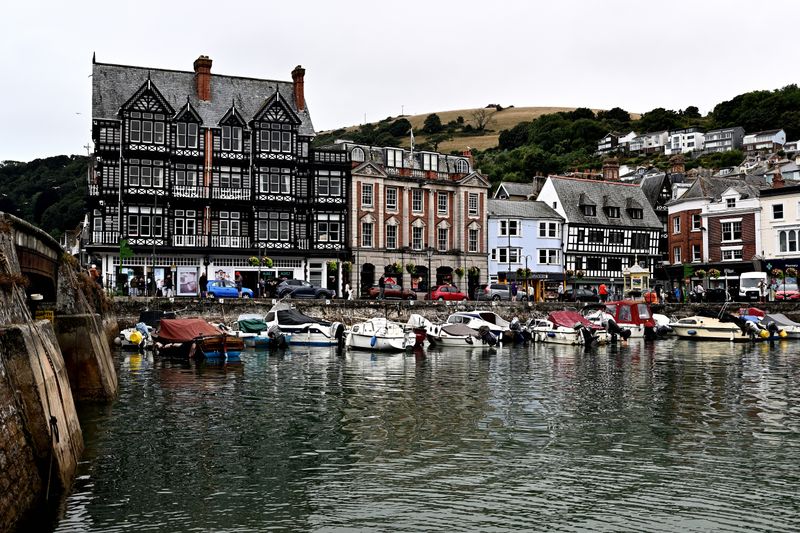
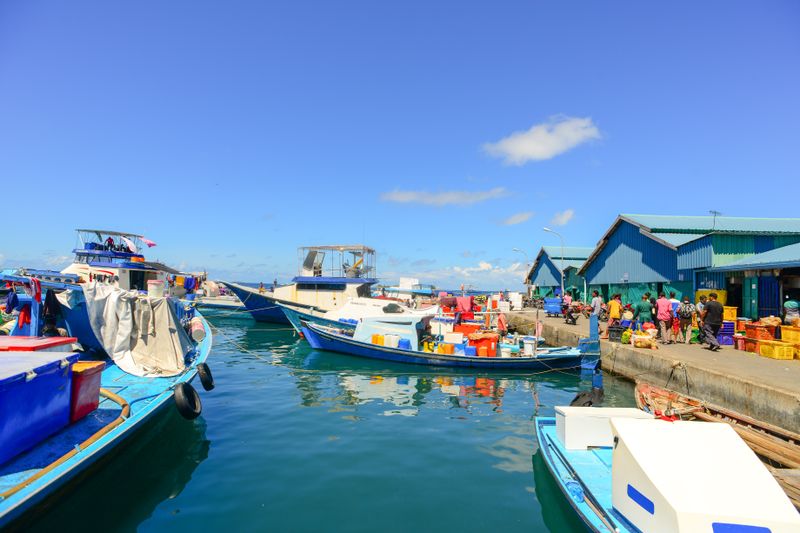
Ports were sited for shelter and deep water rather than for sand, so the swimming is often a bus ride away.

This looks at why ports lack beaches from the practical end — what holds up once conditions stop being ideal.
What holds up in practice
- Harbours need shelter and depth, which favours rocky inlets.
- Sediment that would form a beach is often dredged away.
- The nearest good beach may be several kilometres along the coast.
Why the two rarely coincide
A harbour needs a deep, sheltered entrance and enough depth alongside for boats to float at most states of tide. A good beach needs a shallow gradient and a steady supply of sediment, which is close to the opposite requirement.
Ports were therefore built in rocky inlets, river mouths and behind natural headlands rather than on open sand. Where a beach did exist, harbour construction frequently interrupted the drift that supplied it. Dredging then removes the material that would otherwise accumulate inside and around the port.
What the water is like inside a harbour
Harbour water is often deep close in, with vertical walls, ladders and moorings rather than a gradual entry. It is also a working environment with vessel movements, fuel and machinery, so swimming may be restricted or prohibited.
Along that stretch of coast, water quality in an enclosed basin is generally worse than on open coast, particularly after rain. Where swimming is permitted, it is usually in a designated area with steps or a small tidal pool. Harbour authorities publish these rules and they exist because of collision and pollution risk rather than fussiness.
Tidal pools and sea baths
Many harbour towns without beaches built tidal pools, sea baths or bathing platforms instead. A tidal pool fills on the high tide and holds water as the sea drops, giving a sheltered swim on a rocky coast.
These are frequently historic structures, and several have been restored by community groups in recent years. They are usually unsupervised, and the walls, steps and algae need the same care as any rock entry. Where one exists, it is often the best swim in the town and is used year round by locals.
Finding the actual beach
The nearest good beach to a port is commonly a few kilometres along the coast in the lee of a headland. Local buses frequently connect the two, since residents make the same journey.
With the tide out, coast paths often link them within an hour's walk, which is a better way to arrive than by car in season. Asking where locals swim rather than where the beach is produces a more useful answer.
That distinction is why a harbour town can be an excellent base without being a beach destination.
Choosing a base deliberately
A port makes a good base for food, boats, walking and weather-independent interest. A beach village makes a better base for swimming with children and for a stationary week.
On the water, staying in the port and travelling to the beach works well; the reverse is usually less convenient. Out of season the port stays open while the beach village largely closes, which reverses the calculation. Checking a map for the distance to the nearest sand before booking avoids a week of driving.
Timetables on small routes shift with the season and with the weather on the day.
What you get instead
Harbour towns offer working boats, tidal drama, better food provision and a life that does not depend on the season. Rock pools, coastal walks and swimming from steps are all available and are frequently less crowded.
When the wind turns, weather that ruins a beach day makes a harbour more interesting rather than less. The absence of a beach also keeps the visitor numbers lower and the town more itself. For a lot of coastal travel, that trade is worth making deliberately.
The takeaway
Base yourself in the port for the food and the weather, and take the bus to the sand.
The best hours on any shore are the ones before the car parks fill.
Questions readers ask
Can I swim in a harbour?
Sometimes, in designated areas, but many harbours restrict or prohibit it because of vessel movements and water quality. Check the harbour authority signage rather than assuming.
Are tidal pools safe?
They are calmer than open coast but usually unsupervised, with slippery walls and steps and varying depth. Treat them with the same care as any rock entry and check local guidance.
Also by Nandini Kamath
- A Steep Beach and a Shelving Beach Are Different SwimsBeaches & Swimming
- Sighting, Drift and Swimming in a Straight Line at SeaBeaches & Swimming
- Why Harbour Towns Eat Early and Shut in the AfternoonHarbour Towns
- Drying Harbours: Boats on the Mud Twice a DayHarbour Towns