Islands
Island Farming Is Grazing Because the Wind Decides
Salt wind, thin soil and short growing seasons push island agriculture towards livestock and away from crops, which is why sheep outnumber everything and walls are everywhere.

Most small islands farm animals rather than crops, and the choice is not a preference. Wind, salt and soil depth between them rule out almost everything else.
Salt wind is the limiting factor
Salt carried in spray and in the air itself scorches leaves and stunts growth, and on an exposed island there is no distance from the sea to escape it.
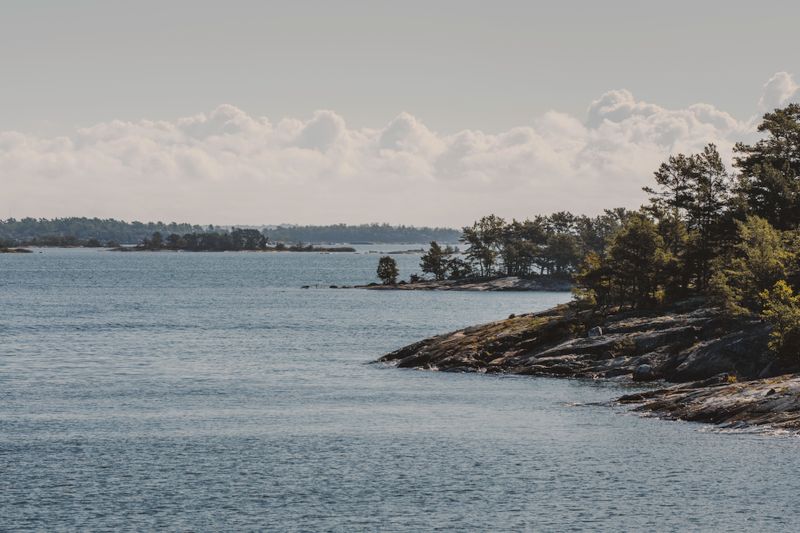
Trees show the effect most clearly, growing lopsided and low, pruned back on the windward side to the height of the surrounding shelter.
Crops that depend on large leaf area suffer most, which removes a substantial part of the arable options before soil is even considered.
The soil is usually thin and often wet
Island soils are frequently shallow over rock, or peaty and acidic, and both conditions limit what can be grown without substantial improvement.
Historically that improvement came from the shore: seaweed, shell sand and fish waste were dug in to add bulk and reduce acidity.
The practice created distinctive plots, small and heavily worked, close to the shore because the material was heavy and had to be carried by hand.
Grass tolerates what crops cannot
Grass regrows after salt burn, tolerates wind and copes with thin soil, and livestock convert it into something that can be sold or eaten.
Sheep in particular suit rough, exposed ground and can be left to range over land that could not be cultivated at any cost.
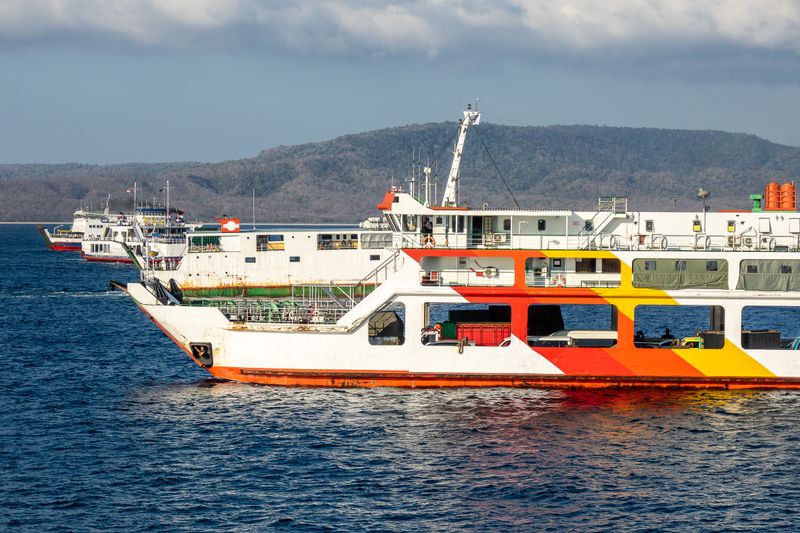
Animals also solve the transport problem, since they can be walked onto a boat, whereas a crop needs freight capacity at exactly the wrong time of year.
Shelter is built rather than grown
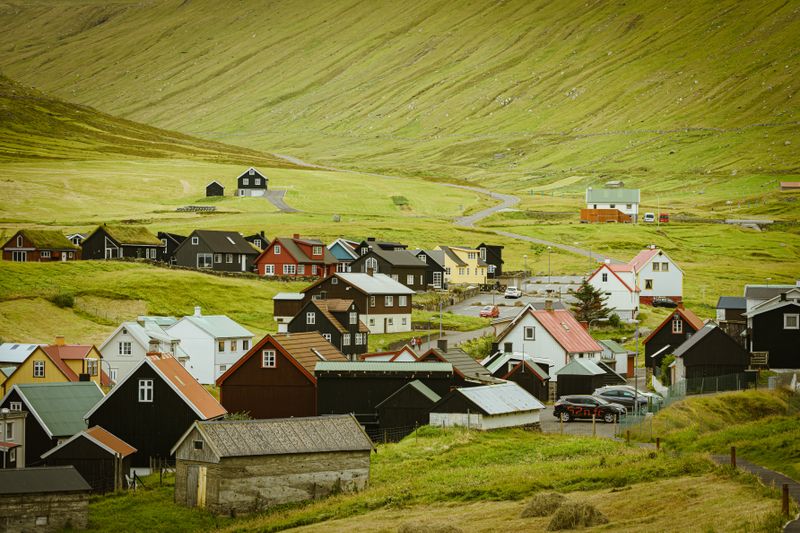
Where trees will not establish, shelter has to be constructed, which is why island landscapes carry so much drystone walling relative to their size.
Walled gardens, sunken beds and enclosures on the leeward side of a slope are all attempts to create a pocket of still air.
The effect inside such an enclosure is dramatic, and it explains why productive gardens on windy islands are almost always hidden behind something.
Grazing shapes what a visitor sees
Open, close-cropped ground with no scrub is a grazing signature, and it is why island walking often feels unusually open compared with the mainland.
It also explains the gates, the requests about dogs and the fences that appear in apparently empty places. The land is in use even when nothing is visible on it.
Where grazing has been withdrawn, the difference is immediate. Scrub and bracken take over within a few seasons and the paths close in behind them.
Questions readers ask
Why do island flights cancel when the weather looks fine?
The limits that matter are at the airstrip, not where you are standing. Fog, a crosswind component or a low cloud base at the destination will stop a departure from an airport in clear sunshine.
Can you turn up and fly standby on a small island route?
Sometimes, but load and balance limits mean spare seats are not always usable, and residents with medical or work travel are usually prioritised. Standby on these routes is a possibility rather than a plan.