Islands
Island Schools End at an Age and Then Children Leave
Small island schools cover the early years only, so older children board or move to the mainland, and that single fact shapes island demography and family decisions.

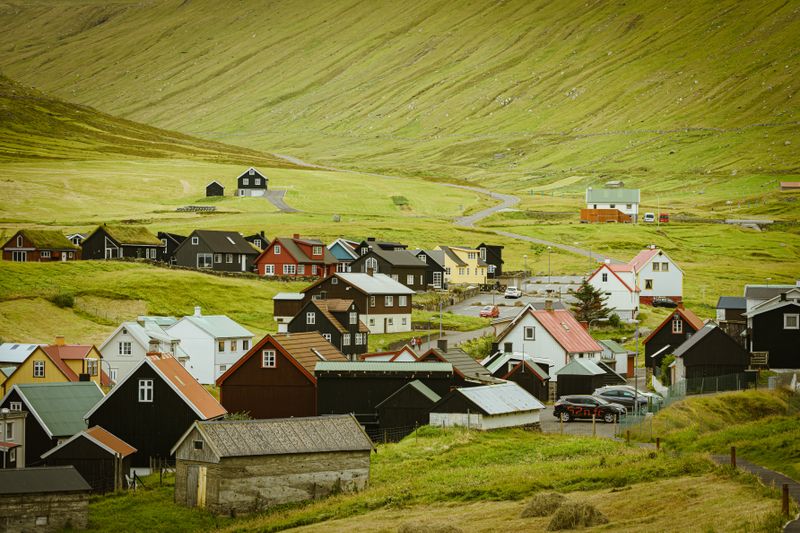
A small island typically has a primary school and no secondary one. What happens when a child outgrows it determines much of the island's demographic structure.
The numbers do not support a full school
Secondary education requires subject specialists, laboratories and workshops, and a viable school needs enough pupils in each year group to justify them.
An island with a few dozen families cannot generate that intake, so provision stops at the point where teaching becomes specialised.
Primary teaching is different, since a single teacher can cover a mixed-age class, which is why very small islands sustain a primary school with a handful of pupils.
The options are all disruptive
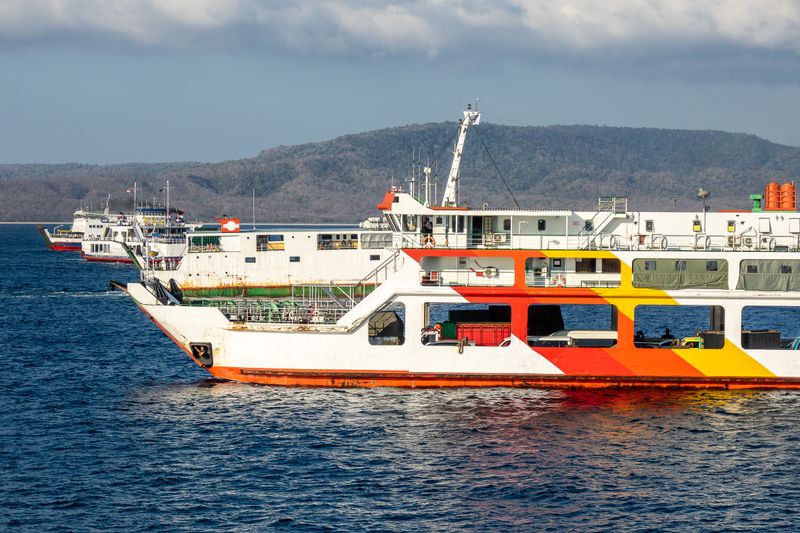
Where a daily crossing is possible, children commute, which can mean an early start, a long day and cancellation whenever the weather stops the boat.
Where it is not, children board on the mainland during the week or the term, returning at holidays. Most islands with any distance from the mainland use this route.
The third option is that the family moves, and this is the one that changes the island. It removes an entire household rather than one pupil.
The effect compounds over years
Families leaving at a predictable point creates a gap in the island's age structure between the early teens and the return of some people much later in life.
That gap removes exactly the working-age population that services, businesses and volunteer roles depend on, and the effect is cumulative.
It also affects the school itself, since a falling roll threatens the primary provision that keeps younger families there in the first place.
Young people often do not come back
Having left at thirteen or so, a person's social network, further education and first job all form elsewhere, and returning means giving those up.
Housing makes it harder still, because holiday and second-home demand raises prices well beyond what island wages support.
Islands that do retain young adults usually have specific reasons: a substantial employer, a fishery or aquaculture operation, or an active housing policy.
What this looks like to a visitor
Term dates dominate the transport timetable, and the boat carrying school pupils is often the fixed service around which everything else is arranged.
Community buildings look oversized for the current population because they were built when it was larger, and many are maintained by a small group of people.
Asking about the school is one of the fastest ways to understand an island's trajectory, and residents will generally tell you straight, because everyone there is already counting.
Questions readers ask
Why do island flights cancel when the weather looks fine?
The limits that matter are at the airstrip, not where you are standing. Fog, a crosswind component or a low cloud base at the destination will stop a departure from an airport in clear sunshine.
Can you turn up and fly standby on a small island route?
Sometimes, but load and balance limits mean spare seats are not always usable, and residents with medical or work travel are usually prioritised. Standby on these routes is a possibility rather than a plan.