Islands
Rubbish Leaves an Island the Way Everything Arrives
Waste has to be shipped off a small island at freight cost, which is why bins are scarce, sorting is strict and visitors are asked to carry things back.

Everything on a small island arrived by boat or plane, and most of it has to leave the same way. Waste is the part of that equation visitors rarely think about.
Disposal on the island is usually impossible
Landfill needs space, suitable ground and protection for groundwater, and small islands generally have none of the three. The water table is often shallow and the aquifer is the drinking supply.
Burning creates its own problems and modern standards require equipment that only makes sense at a scale an island cannot reach.
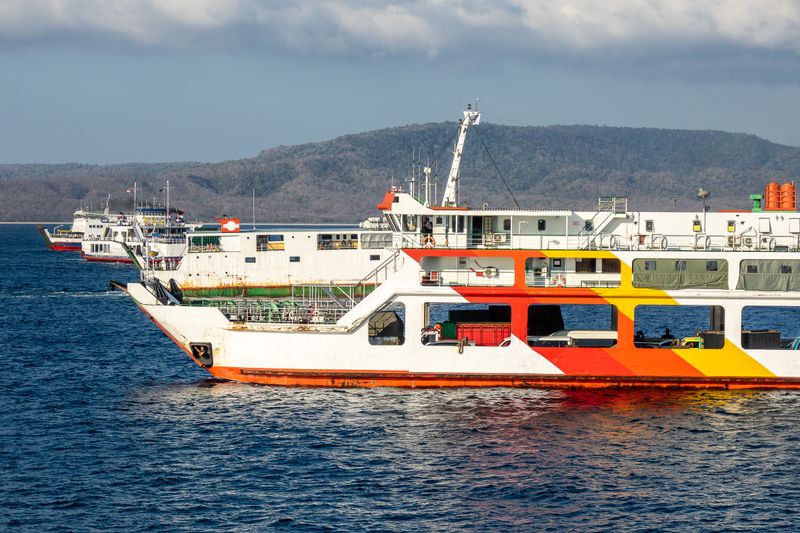
The default is therefore export: waste is baled or containerised and shipped back on the same vessels that brought supplies in.
Freight cost drives the rules
Shipping charges by volume and weight, so every unsorted, uncompacted bin bag is a direct cost to the island's budget.
That is why sorting requirements are stricter than on the mainland and enforced more visibly, and why compaction and baling equipment is a major community asset.
It also explains the absence of public bins in some places. A bin that gets filled with visitor waste is a bill the island pays.
Some things cannot leave easily at all
Vehicles, appliances, batteries and building material are heavy, awkward and often subject to specific handling rules, which makes removal disproportionately expensive.
The result is visible on many islands as accumulations of old machinery, kept partly for spares and partly because disposal was never worth the freight.
Wrecks and abandoned vehicles are usually the same story rather than neglect. Getting them off costs more than they are worth by a wide margin.
Water and sewage face the same limits
Sewage treatment needs scale, land and reliable power, so small communities often use simple systems that struggle when the summer population multiplies.
Wet wipes and cooking fat cause disproportionate damage in small networks because there is no capacity to absorb a blockage.
Signs asking visitors not to flush particular items are therefore practical instructions rather than general environmental messaging.
What a visitor can usefully do
Taking packaging off the island in your own luggage is genuinely helpful, because it removes both the volume and the sorting effort.
Buying loose, buying locally and refilling containers reduces what arrives in the first place, which is more effective than dealing with it afterwards.
Following the local sorting scheme matters more than following the one you know, because contaminated loads are rejected and then shipped twice.
Questions readers ask
Why do island flights cancel when the weather looks fine?
The limits that matter are at the airstrip, not where you are standing. Fog, a crosswind component or a low cloud base at the destination will stop a departure from an airport in clear sunshine.
Can you turn up and fly standby on a small island route?
Sometimes, but load and balance limits mean spare seats are not always usable, and residents with medical or work travel are usually prioritised. Standby on these routes is a possibility rather than a plan.