Islands
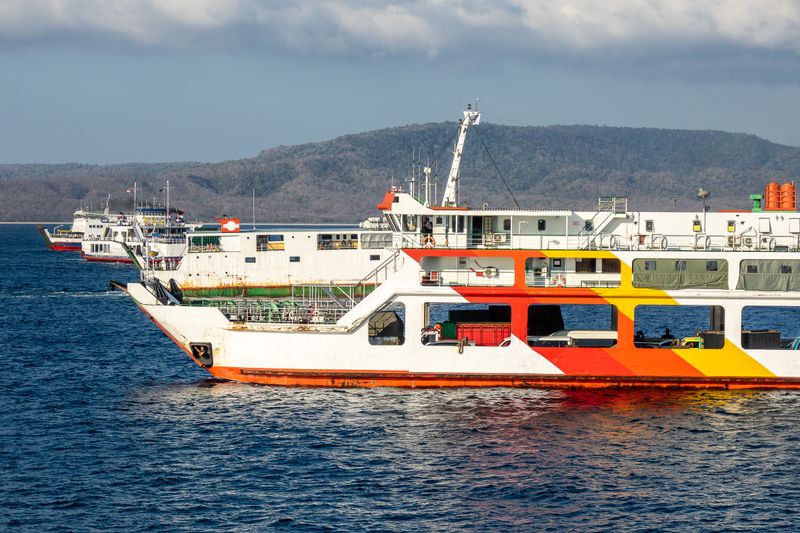
The Main Island Is a Transport Hub First
In an archipelago the largest island holds the ferry terminal, the airstrip and the supermarket, which makes it essential to reach and often the least interesting to stay on.

Archipelagos are organised around one island that carries the connections. Understanding that structure explains both why you must pass through it and why staying there may disappoint.
Connections concentrate for good reasons
Deep water, a sheltered approach and enough flat ground for a terminal and an airstrip rarely coincide, so the island that has them takes the traffic.
Once a route exists, freight, fuel and services follow, because it is cheaper to distribute from one point than to serve each island directly from the mainland.
The hub therefore accumulates the supermarket, the hospital, the secondary school and the administration, regardless of which island is largest by population.
Onward travel radiates from the hub
Inter-island services are usually spokes, running out and back rather than between the outer islands, so travelling from one outer island to another means returning to the centre.
That doubles both the distance and the time, and it means a two-island trip often requires an overnight stay in the middle.
Timetables are built around the mainland connection rather than around each other, so onward links may not meet the arriving service at all.
The hub feels different from the outer islands
Hub islands carry traffic, industry, fuel storage and administration, and they look and sound like small mainland towns rather than remote places.
That is precisely what makes them useful, and it is also why visitors who came for quiet often find the hub an anticlimax.
The outer islands hold the character people travel for, but they depend entirely on the hub for supply and cannot exist without it.
Plan the connection, not the destination
The binding constraint on an archipelago trip is almost always the onward sailing, and the choice of destination should follow it rather than lead.
Checking whether the outer service runs on the same days as the mainland arrival, and in which direction, prevents most of the wasted days.
Building a night at the hub into the plan deliberately is usually cheaper than being forced into one, since hub accommodation fills with people in exactly that position.
Use the hub for what it is good at
It is where to buy anything you will not find further out, from food to fuel to a replacement for whatever broke on the crossing.
It is also where information is reliable, since operators, harbour staff and the shop all have current knowledge of what is running.
Treating the hub as a supply and information stop rather than a destination usually improves the trip and removes the disappointment entirely.
Questions readers ask
Why do island flights cancel when the weather looks fine?
The limits that matter are at the airstrip, not where you are standing. Fog, a crosswind component or a low cloud base at the destination will stop a departure from an airport in clear sunshine.
Can you turn up and fly standby on a small island route?
Sometimes, but load and balance limits mean spare seats are not always usable, and residents with medical or work travel are usually prioritised. Standby on these routes is a possibility rather than a plan.