Seasons & Weather
A Winter Coast Is a Different Place and the Light Is Why
Low sun, long shadows and short days change how a shoreline looks and how a day on it has to be structured.

Most explanations of coastal travel in winter stop at the point where it starts to matter. This one carries on.
The short version
- Low winter sun stays at a photographic angle for most of the day.
- Daylight hours at higher latitudes limit walking distance significantly.
- Storm-driven tides reshape beaches and expose buried features.
What the light does
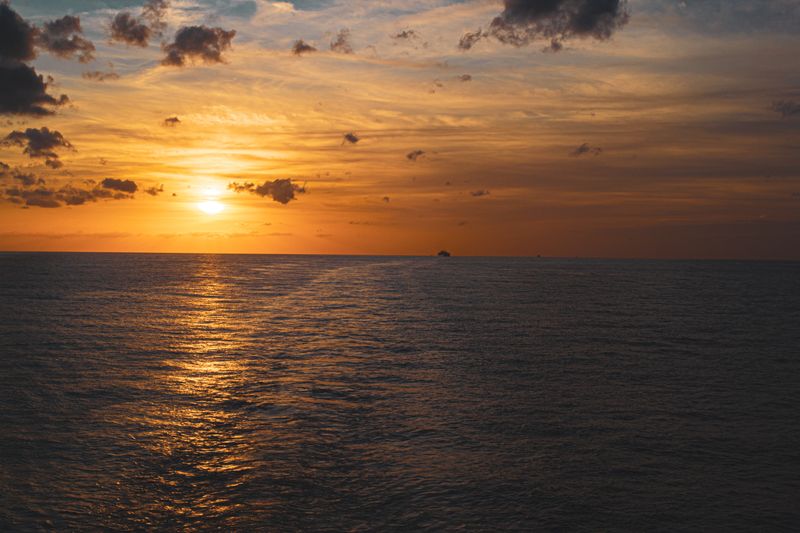
In winter the sun stays low, so the raking light that photographers wait for in summer lasts most of the day. Long shadows reveal texture in dunes, cliffs and wet sand that is invisible under high midday sun. Sunrise and sunset both occur at civilised hours, which removes the need to be on a beach before five in the morning.
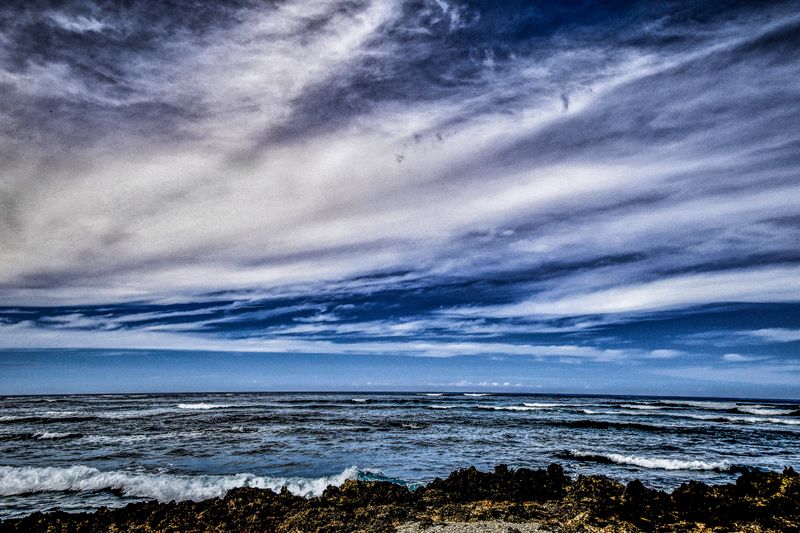
Coastal air is often exceptionally clear after a front passes, giving visibility that summer haze never allows. For anyone interested in looking at a coast rather than lying on it, winter is objectively the better season.
The daylight constraint
At higher latitudes a winter day can offer well under eight hours of usable light. That limits a coastal walk far more than weather does, particularly on a route with a saw-toothed profile.
When the wind turns, bus and ferry timetables also compress, so the practical window is shorter than the daylight window. Being caught out on a cliff path in the dark is a genuinely serious situation with an unfenced edge nearby. Planning to finish an hour before sunset rather than at it is the standard margin.
What the sea is doing
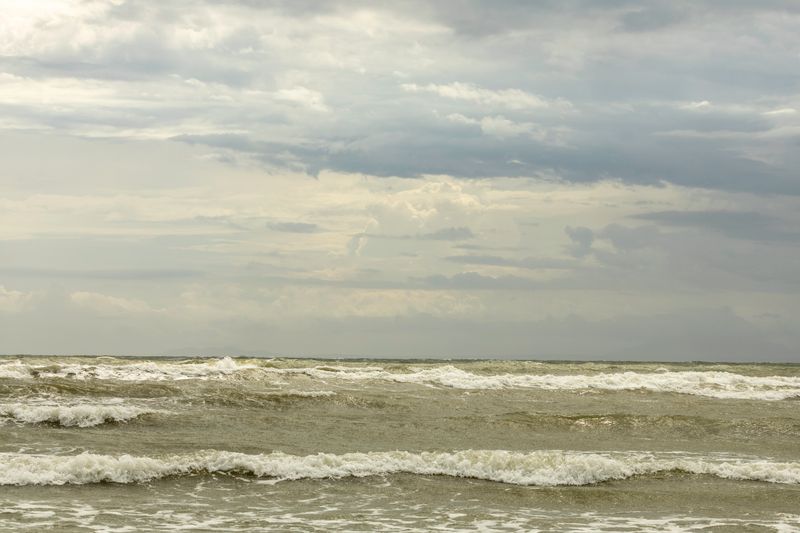
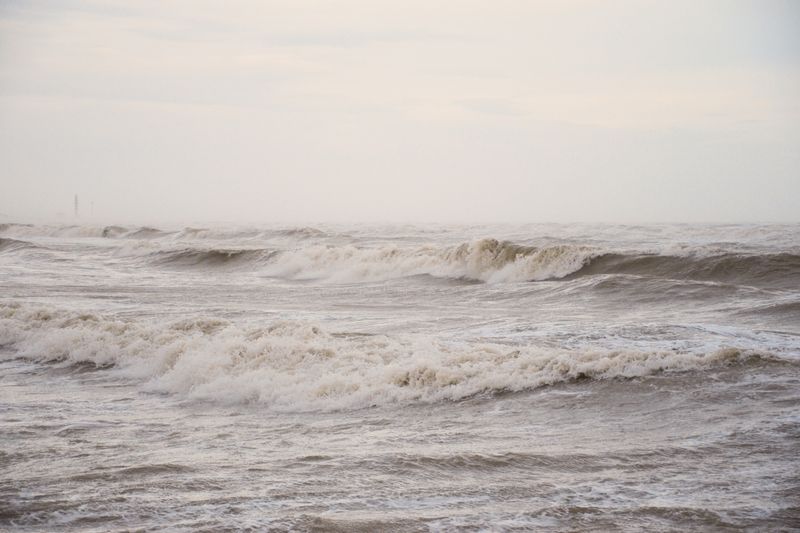
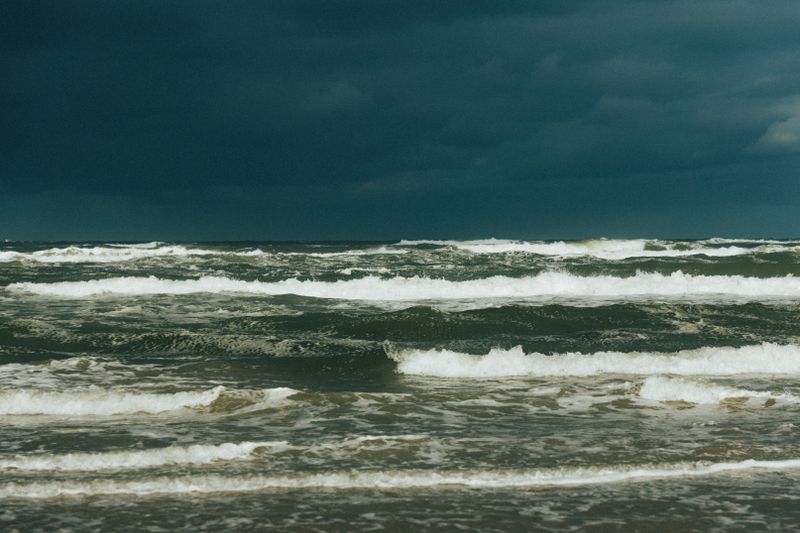
Winter storms strip sand from beaches and store it offshore, which exposes rock, peat beds and occasionally wrecks. Those exposures are temporary and are one of the genuine reasons to visit a familiar beach in winter.
On the water, tidal ranges around the equinoxes are large, which uncovers more of the lower shore than at any other time. Water temperature is at its lowest weeks after midwinter rather than at the solstice itself. Swimming remains possible with the right preparation and is a serious cold water activity rather than a casual dip.
Wildlife in winter
Estuaries hold their largest numbers of wading birds and wildfowl through the coldest months. Seal colonies are visible at haul-outs, with pupping seasons in autumn or winter depending on species and region. Storm-driven seabirds occasionally appear close inshore, which is why headlands attract birdwatchers after gales.
Bare vegetation improves sightlines considerably on cliff paths and around reserves.
Disturbance matters more in cold weather, because birds have less energy margin, so distance is the courtesy.
Practicalities of a winter trip
Fewer places are open, so establishing what is available before travelling is more important than in summer. Accommodation with proper heating and drying space matters more than a sea view in January. Roads on exposed coasts can be affected by overtopping, debris and occasionally snow.
Days out need to be self-sufficient, with food, water and warm layers carried rather than bought. Short daylight makes a base within walking distance of what you want to see far more valuable.
Timetables on small routes shift with the season and with the weather on the day.
Dressing for it
Wind is the dominant factor on a winter coast, and windproofing matters more than insulation thickness. A hat and gloves make a disproportionate difference on an exposed shore in a cold onshore breeze. Waterproof footwear with grip handles the combination of wet rock, mud and cold that winter paths produce.
Carry a head torch even for a short walk, since the light goes quickly once the sun is down. A flask is the small item that transforms a winter day on an exposed coast into a pleasant one.
The takeaway
Winter gives you the best light and the least daylight; plan the day around the second one.
The best hours on any shore are the ones before the car parks fill.
Questions readers ask
Is there any point visiting a beach in winter?
For light, wildlife, beachcombing and having the place to yourself, considerably more than in summer. For swimming and sunbathing, it becomes a specialist activity requiring preparation.
Why are beaches stripped of sand in winter?
Storm waves move sand offshore into bars. It is usually returned gradually by gentler summer waves, though the timing and completeness vary.