Seasons & Weather
On Monsoon Coasts the Sea Closes and That Is a Rule
Where a wet season brings sustained onshore wind and heavy surf, swimming bans are safety measures rather than formalities.

These are listed in the order worth acting on, which with monsoon season on tropical coasts is not the order they are usually presented in.
What matters most
- Monsoon onset brings sustained onshore wind and heavy surf.
- Many coasts prohibit swimming and boat trips during the season.
- Water quality also declines with heavy runoff.
What changes when the season arrives
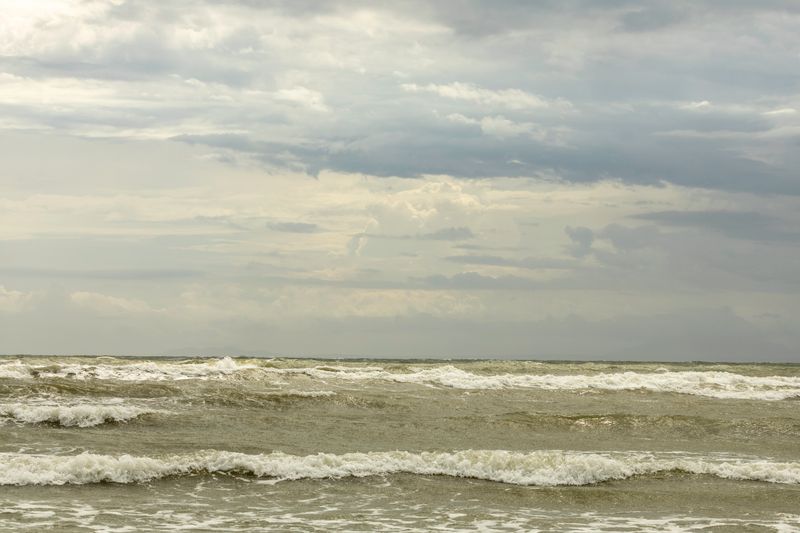
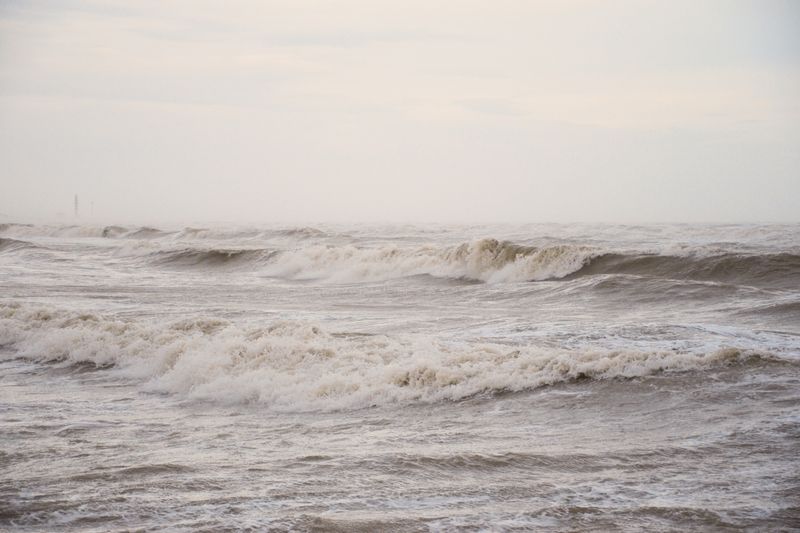
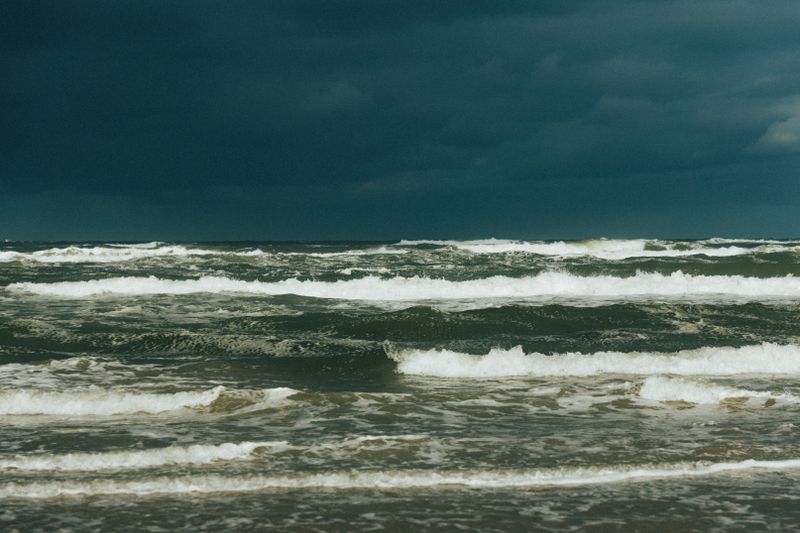
A monsoon reverses the prevailing wind pattern, and on affected coasts that means sustained onshore wind for months. Sustained onshore wind across a long fetch produces continuous heavy surf rather than occasional rough days.
Rip currents become both stronger and more numerous, and the water is turbid enough that they are hard to see. Heavy rainfall increases river discharge, which reduces visibility further and affects water quality significantly. The combination is why authorities in several regions prohibit sea bathing outright for the duration.
Bans and why they are enforced
Where swimming is prohibited during a season, the prohibition typically follows a history of drownings rather than caution. Fines and enforcement exist in various places, and lifeguard services may be withdrawn entirely. Boat trips, ferries to small islands and water sports are also commonly suspended for the season.
Local rules vary considerably between countries and even between adjacent stretches of the same coast. Following posted local instructions is the correct approach, and there is no reasonable argument for ignoring them.
What the season is good for
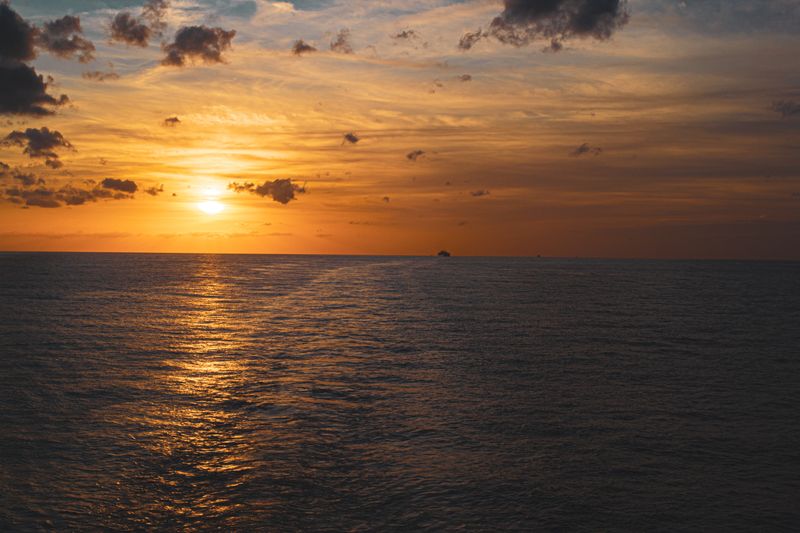
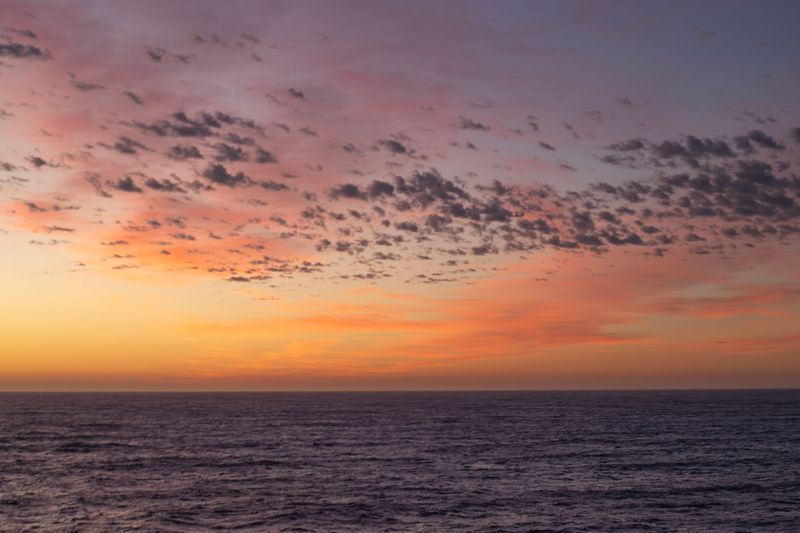
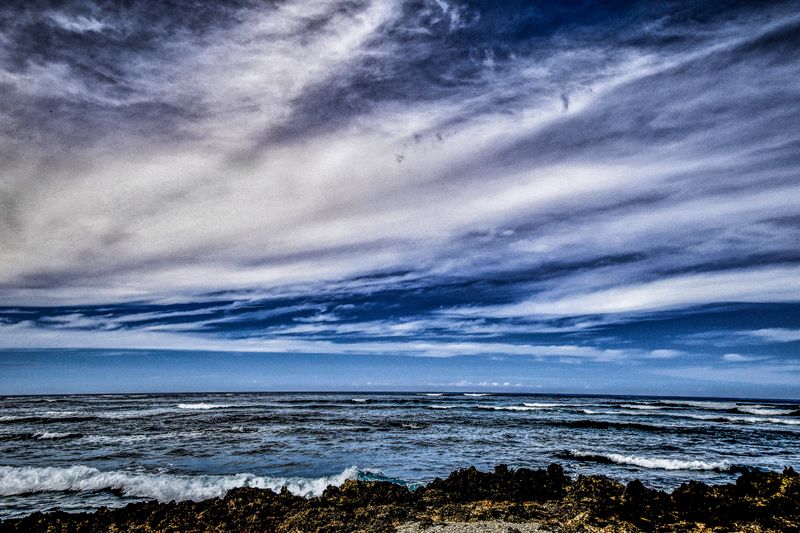
The landscape changes dramatically, with dry hills turning green within weeks and waterfalls appearing where there were none. Accommodation prices fall substantially, and places that are unpleasantly crowded in the dry season become genuinely quiet. The light and the cloud formations are exceptional, and the sea itself is dramatic to watch from a safe distance.
On the water, some regions have specific seasonal foods, crops and festivals that are simply unavailable at any other point in the year. It is a perfectly legitimate time to travel, provided the trip is not built around the assumption of being in the water.
Practical considerations
Road travel can be disrupted by flooding and by landslides, particularly on the hilly coastal routes that are the scenic ones. Humidity affects electronics, clothing and anything left packed in a bag, and drying anything at all becomes genuinely difficult. Mosquito-borne illness risk rises in several regions during and immediately after the wet season rather than only during it.
Travel health advice for the specific destination and season should come from a qualified professional well before departure. Insurance should be checked for whether it covers travel during periods when local authorities have issued formal warnings.
Timing the edges of the season
The weeks immediately before onset are often hot, humid and calm with the sea still workable. The weeks after withdrawal frequently offer the clearest water of the year once sediment has settled.
Onset and withdrawal dates vary from year to year and are forecast rather than fixed. Booking the shoulder weeks carries some risk that the season arrives early or leaves late. Historical monthly patterns for the specific coast are more useful than a general regional description.
Harbour towns work for a living, and access is not owed to visitors.
Watching the sea safely
Beaches during a monsoon are worth visiting and are not worth entering, and the distinction matters. Stay well back from the waterline, since surf run-up on a steep beach reaches much further than expected.
When the wind turns, never walk out on rock platforms, breakwaters or piers when heavy surf is running. Keep children well away from the water entirely rather than relying on supervision at the edge. Local people avoid the water for the whole season, and following that example is the simplest guidance available.
Everything above, in order of what to do first
- What changes when the season arrives. A monsoon reverses the prevailing wind pattern, and on affected coasts that means sustained onshore wind for months.
- Bans and why they are enforced. Where swimming is prohibited during a season, the prohibition typically follows a history of drownings rather than caution.
- What the season is good for. The landscape changes dramatically, with dry hills turning green within weeks and waterfalls appearing where there were none.
- Practical considerations. Road travel can be disrupted by flooding and by landslides, particularly on the hilly coastal routes that are the scenic ones.
- Timing the edges of the season. The weeks immediately before onset are often hot, humid and calm with the sea still workable.
- Watching the sea safely. Beaches during a monsoon are worth visiting and are not worth entering, and the distinction matters.
The takeaway
Treat a seasonal swimming ban as the local record of what has already gone wrong.
The best hours on any shore are the ones before the car parks fill.
Questions readers ask
Can I swim if the sea looks calm during monsoon season?
Where a local ban is in force, no. Conditions change quickly, rip currents are strong and turbid water hides them, and rescue services may not be operating. Follow local instructions.
Is monsoon season a bad time to visit a tropical coast?
It is a poor time for water activities and a good time for landscape, quiet and cost. The trip needs to be built around what is actually possible.