Seasons & Weather
Daylight, Not Temperature, Sets the Shape of a Coastal Day
How long the sun is up, and how slowly it sets, decides when a coast is worth being outside on far more reliably than the forecast does.

The points below about daylight and coastal itineraries are ordered by how much difference they make, not by how often they get repeated.
What matters most
- Day length varies more between seasons the further you are from the equator.
- Low sun angles make the transitional light last far longer at high latitudes.
- Near the equator day length barely changes and dusk is very short.
Latitude decides how much day you get
Close to the equator, day length varies by only a small amount across the whole year and sunrise stays roughly constant. At high latitudes the difference between midsummer and midwinter is enormous, running from almost no night to almost no day.
That is why a summer trip to a high-latitude coast contains far more usable hours than the same trip in winter. It is also why the shoulder seasons at those latitudes change fast, gaining or losing daylight noticeably week by week. Planning an itinerary without checking sunrise and sunset for the actual dates is one of the more common mistakes.
The light itself is different
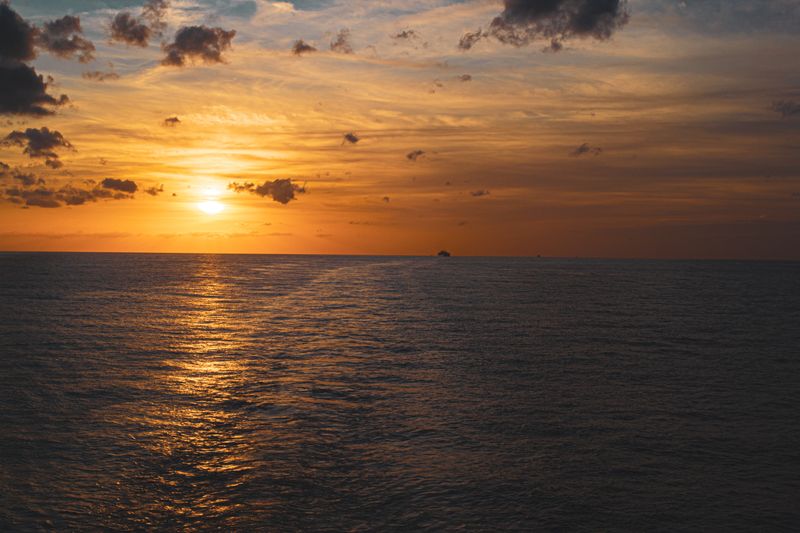
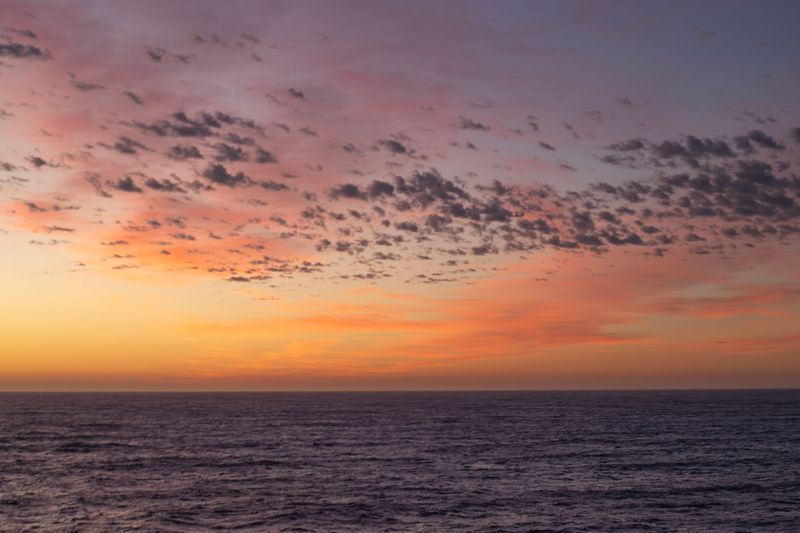
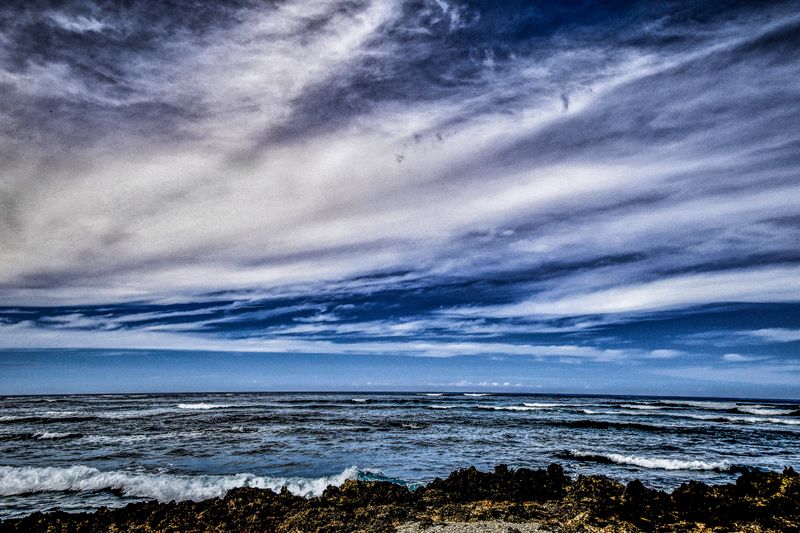
When the sun stays low, its light passes through more atmosphere, which scatters the blue and leaves the warm colours. At high latitudes that low-angle period lasts for hours rather than the twenty minutes it lasts in the tropics. The result is a long, slow golden and blue period that photographers travel specifically for.
When the wind turns, near the equator the sun rises and sets almost vertically, so dusk is brief and darkness arrives quickly. That difference alone changes how an evening on a coast is planned and how much time there is to walk back.
Water makes the light work harder
A wet beach at low tide acts as a mirror, doubling the sky and turning an ordinary sunset into something else. Sea mist and spray scatter light, which is why coastal sunsets are often more vivid than inland ones. Whether the good light falls on the water or behind it depends on which way the coast faces.
An east-facing coast gets the drama at dawn and a west-facing one gets it at the end of the day. Combining the tide table with sunrise and sunset times is how people end up in the right place at the right hour.
What darkness does to logistics
Coastal paths, harbour walls and rocky shores have unfenced edges and no lighting once the sun is gone. Public transport on rural coasts frequently stops early, and the last service may be well before dusk in winter.
Along that stretch of coast, ferries and small boat services often do not run after dark, which compresses the usable day further. Tides do not respect daylight, so a low-water feature can be exposed only in the middle of the night that week. That combination is why coastal itineraries need to be built backwards from the last usable hour.
Seasonal daylight and the services
Businesses on a coast open around the hours that visitors are actually outside, which follows daylight closely. In the long days of a high-latitude summer, evenings extend and the busiest hours shift later than expected.
With the tide out, in winter the same coast effectively closes in the middle of the afternoon, regardless of what the signs say. Boat trips, guided walks and tidal-access sites all compress into the daylight window at the same time. Checking what is open against the length of the day is more useful than checking either one alone.
Timetables on small routes shift with the season and with the weather on the day.
Building a day around the light
The flattest water and the clearest air on many coasts occur in the first hours after sunrise. Wind typically builds through the day on coasts with a sea breeze cycle, so morning and evening differ substantially.
With the tide out, midday light is the least interesting for looking at a coast and the most demanding in terms of exposure. Two shorter outings at either end of the day usually beat one long one in the middle. It costs nothing to arrange and it is the single change that most improves a coastal trip in any season.
Everything above, in order of what to do first
- Latitude decides how much day you get. Close to the equator, day length varies by only a small amount across the whole year and sunrise stays roughly constant.
- The light itself is different. When the sun stays low, its light passes through more atmosphere, which scatters the blue and leaves the warm colours.
- Water makes the light work harder. A wet beach at low tide acts as a mirror, doubling the sky and turning an ordinary sunset into something else.
- What darkness does to logistics. Coastal paths, harbour walls and rocky shores have unfenced edges and no lighting once the sun is gone.
- Seasonal daylight and the services. Businesses on a coast open around the hours that visitors are actually outside, which follows daylight closely.
- Building a day around the light. The flattest water and the clearest air on many coasts occur in the first hours after sunrise.
The takeaway
Look up sunrise, sunset and the tide for your actual dates, and build the day backwards from the last usable hour.
The best hours on any shore are the ones before the car parks fill.
Questions readers ask
Why does the sun set so slowly at high latitudes?
The sun's path meets the horizon at a shallow angle, so it takes far longer to drop the same vertical distance. The same geometry makes tropical dusk very brief, because the sun descends almost vertically.
Does day length matter more than weather for planning?
In winter at high latitudes it often does, because no forecast helps if there are only a few hours of usable light. Closer to the equator day length is nearly constant and weather becomes the dominant variable.