Seasons & Weather
Trade Wind Coasts Have Weather That Barely Changes
Where a steady planetary wind blows across a coast for months, conditions become highly predictable, and the season is defined by the wind stopping rather than starting.

Some coasts have weather that repeats almost identically for months. A persistent planetary-scale wind produces that consistency, and it changes what planning a trip involves.
The wind is driven by circulation, not by weather
Steady tropical and subtropical winds arise from the large-scale movement of air between pressure belts, deflected by the earth's rotation into a consistent direction.
Because the driver is global rather than local, the wind does not depend on a passing weather system and does not vary from day to day in the way mid-latitude winds do.
The belts shift north and south with the seasons, so a given coast experiences the wind for part of the year and something different for the rest.
Consistency changes the whole coast
A wind that always comes from one direction produces a windward side and a leeward side with completely different conditions on the same island or peninsula.
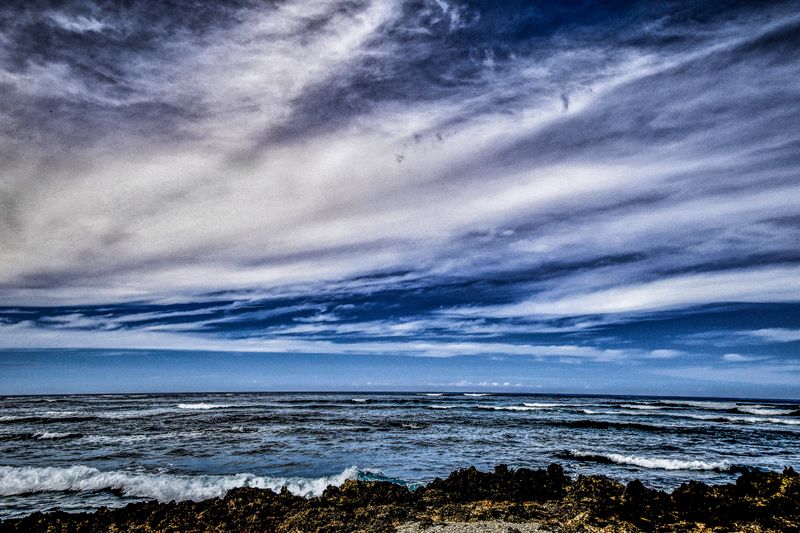
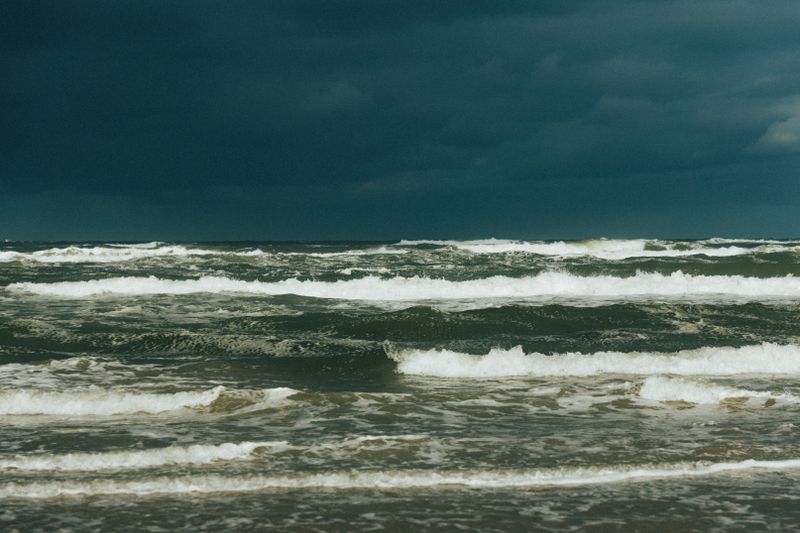
Windward shores get the swell, the rain and the salt; leeward shores get the shelter, the calm anchorages and usually the settlements.
Vegetation, building orientation and where the harbours are all follow the same axis, and once you know the wind direction the layout becomes predictable.
Predictability is the practical advantage
Sailing, kiting and windsurfing operations exist on these coasts precisely because conditions can be relied on across a season rather than a forecast window.
Daily patterns are consistent too, with the wind typically strengthening through the day and easing overnight, which lets activities be scheduled well in advance.
This is unusual. On most coasts the equivalent activities depend on watching a forecast and taking whichever day works.
The exceptions are what to watch for
Interruptions do occur, when a larger system disrupts the pattern, and those periods can bring the calm, humid conditions the wind normally prevents.
The transition seasons at either end of the wind's residence are the least predictable part of the year, and they often coincide with other regional hazards.
Local sources are explicit about these windows because the difference between the settled season and the transition is significant and well understood locally.
What a visitor notices first
The constant noise and movement are more tiring than the same wind speed at home, because there is no lull and no shelter unless you seek it deliberately.
Shade without wind is hard to find, and anything light left outdoors will not be there later, which is why terraces are walled and umbrellas are anchored.
Swimming conditions differ sharply between the two sides of the land, and the pleasant option is usually a short drive rather than a compromise where you are.
Questions readers ask
Why is the coast windier than the forecast says?
Land forecasts are produced for typical inland exposure, and models smooth out coastal terrain. An open shoreline, a headland or a cliff top routinely experiences considerably more wind than the grid square value.
Which forecast should I use for a beach day?
The inshore waters forecast for the relevant stretch, together with a wave model and a local tide table. The general land forecast tells you about temperature and rain, and very little about what the sea will be doing.