Seasons & Weather
Watching a Storm From a Coast Is a Season of Its Own
Winter turns some coastlines into their most impressive version, and the place people most want to stand is precisely the place the sea is aiming at.

The points below about storm watching as a reason to travel are ordered by how much difference they make, not by how often they get repeated.
What matters most
- Breakwaters and sea walls are designed to be overtopped in severe conditions.
- Wave-swept rock and spray carrying stones are the recurring hazards.
- The largest swell frequently arrives after the wind has already eased.
Why people travel for this
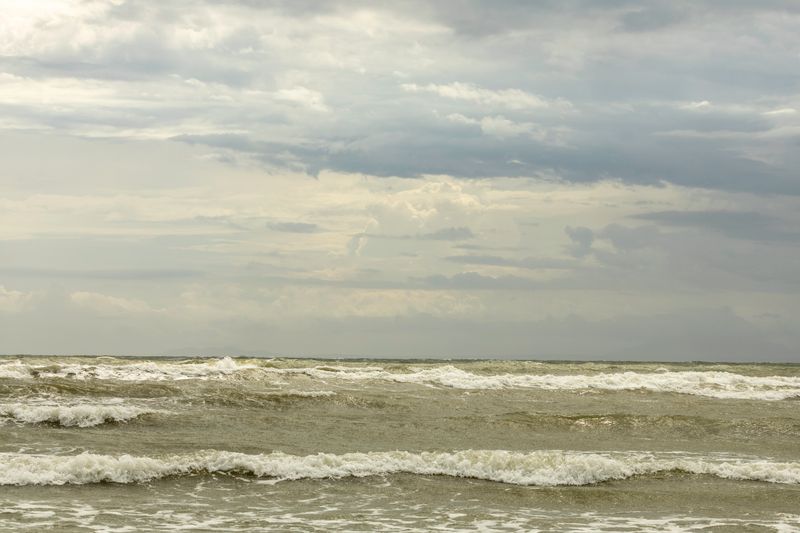
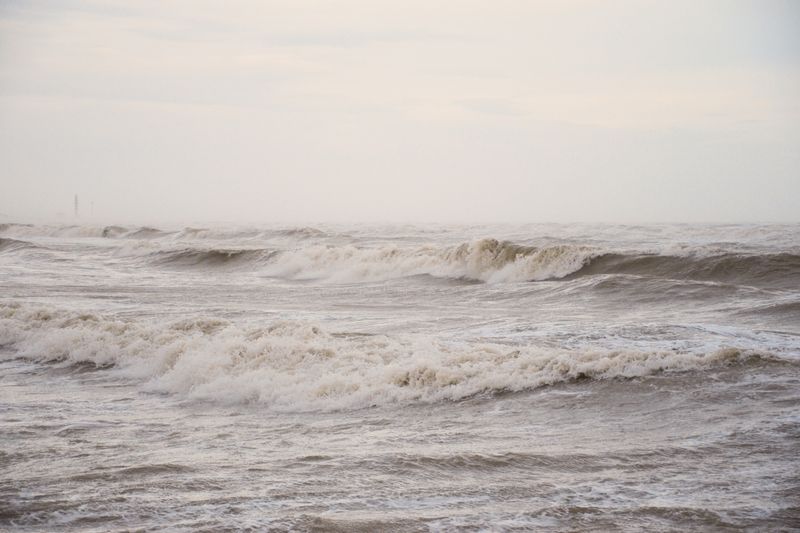
A coast in a big swell is doing at full scale what it normally does invisibly over decades. The noise is the part nobody expects: a large sea moving shingle is felt through the ground as much as heard. Some coastal towns now have a recognised off-season built around exactly this, with accommodation open for it.
It extends the visiting year into months that used to be dead, which matters to communities with a short season. It also brings people to the coast at the time when the coast is least forgiving, which is the tension in it.
Where the energy concentrates
Exposed headlands facing the swell direction take the largest waves, because there is nothing to dissipate them beforehand. Where deep water lies close inshore, waves break directly against the cliff rather than on a shelving bottom. Blowholes, geos and narrow inlets amplify the effect by confining water and air into a small cross section.
Harbour walls and breakwaters take the impact deliberately, since that is the purpose they were built for. Understanding where the energy goes explains why one bay is spectacular and the next is merely rough.
The specific hazards
Overtopping is a designed behaviour of sea walls, not a failure, and it puts moving water across the top of the structure. Wave-swept rock is the recurring pattern in coastal incidents: a platform dry for many waves and covered by one.
Spray in a big sea carries sand, shingle and sometimes larger stones, which is a genuine hazard to eyes and windscreens. Debris is lifted onto roads and promenades, and vehicles parked in the front row are frequently damaged. This article describes hazards; anything about response and rescue belongs with the coastguard and emergency services.
Why the wall is the worst place to stand
A breakwater or pier is built out into the water precisely where the waves are largest and least predictable. Wave grouping means several manageable waves can be followed by one substantially larger, with no warning. Water crossing a wall moves fast, and the surface underfoot is wet, weeded and frequently uneven.
Many authorities close piers and promenades during storms, and those closures reflect specific local experience. Where a barrier is up or a notice is posted, it is the harbour's assessment of its own structure and it is not negotiable.
Watching from somewhere sensible
High ground set back from the shore gives a better view of a big sea than any position close to the water. Distance also puts you above the spray, which improves both visibility and the survival prospects of a camera.
With the tide out, wind on an exposed clifftop can make simply standing difficult, and gusts near an edge behave unpredictably. A parked car is not a safe viewing box on an exposed front, since debris and overtopping both reach the road. Local information about closures and warnings is published during storms and is more current than any general guidance.
Harbour towns work for a living, and access is not owed to visitors.
The timing that surprises people
The largest swell often arrives after the strongest wind, because swell keeps travelling once the storm has moved on. That produces a clear, calm morning with an enormous sea running, which is the classic storm watching day. Coinciding with one of the larger tidal ranges of the month raises the whole event by a considerable margin.
Ferries, paths and roads may still be closed while the sky looks entirely benign. Checking warnings, closures and the swell forecast rather than the sky is what makes the timing work.
Everything above, in order of what to do first
- Why people travel for this. A coast in a big swell is doing at full scale what it normally does invisibly over decades.
- Where the energy concentrates. Exposed headlands facing the swell direction take the largest waves, because there is nothing to dissipate them beforehand.
- The specific hazards. Overtopping is a designed behaviour of sea walls, not a failure, and it puts moving water across the top of the structure.
- Why the wall is the worst place to stand. A breakwater or pier is built out into the water precisely where the waves are largest and least predictable.
- Watching from somewhere sensible. High ground set back from the shore gives a better view of a big sea than any position close to the water.
- The timing that surprises people. The largest swell often arrives after the strongest wind, because swell keeps travelling once the storm has moved on.
The takeaway
Watch a storm from high ground and well back, and go on the bright morning after rather than during the gale.
Weather is the itinerary. Everything else is a preference.
Questions readers ask
Why is the sea biggest the day after a storm?
Swell outruns the system that generated it and keeps arriving after the wind has eased. The result is a calm, bright day with a very large and long-period sea running onto the coast.
Are pier and promenade closures really necessary?
They are based on how that specific structure behaves in overtopping conditions, informed by local incidents. The hazard is not the wind you can feel but the water that crosses the structure without warning.