Harbour Towns
A Harbour Town and a Resort Are Built Differently
One grew around a working port and the other was planned around visitors, and the difference shows in street layout, sea frontage and what happens out of season.

Two coastal towns of similar size can be entirely different places to visit, because one grew around a working harbour and the other was laid out to receive visitors. The origins remain visible.
The organising feature is different
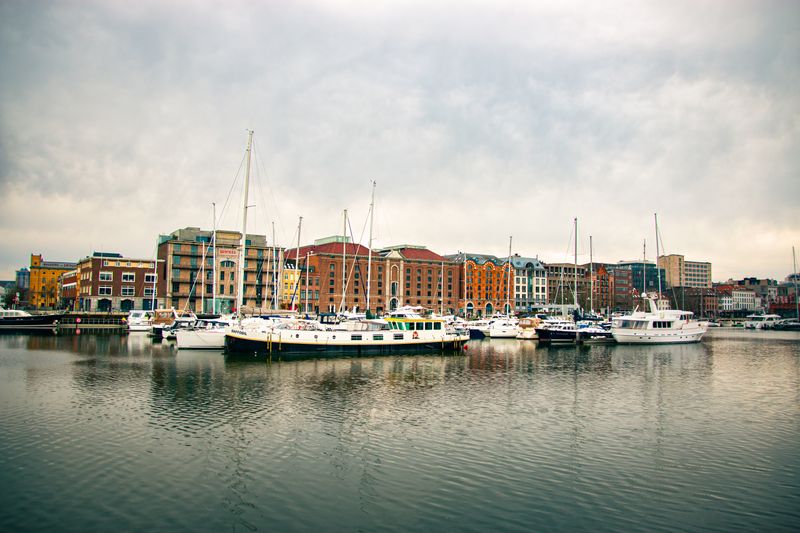
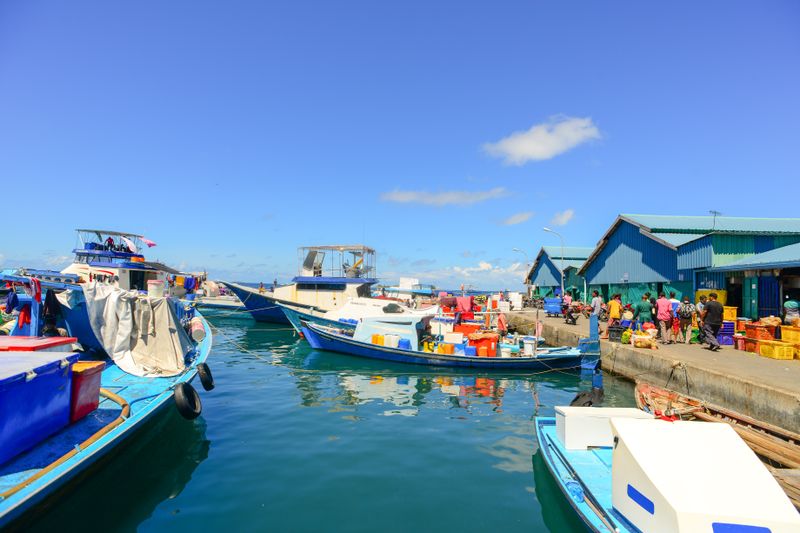
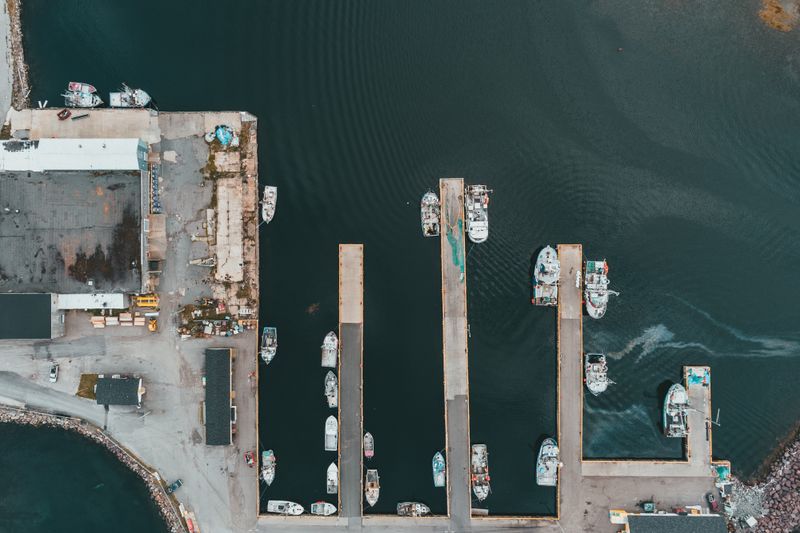
A harbour town is arranged around a basin, so streets converge on the water and the most important ground is the quay itself.
A resort is arranged around a frontage, so the organising line is a promenade with a continuous row of buildings facing the sea and the beach below.
That single difference determines almost everything else, including where the shops are, where cars end up and how the town looks from the water.
Resorts were planned; harbour towns accumulated
Purpose-built resorts were laid out in a short period, often by a small number of developers, which produces regular streets and consistent architecture.
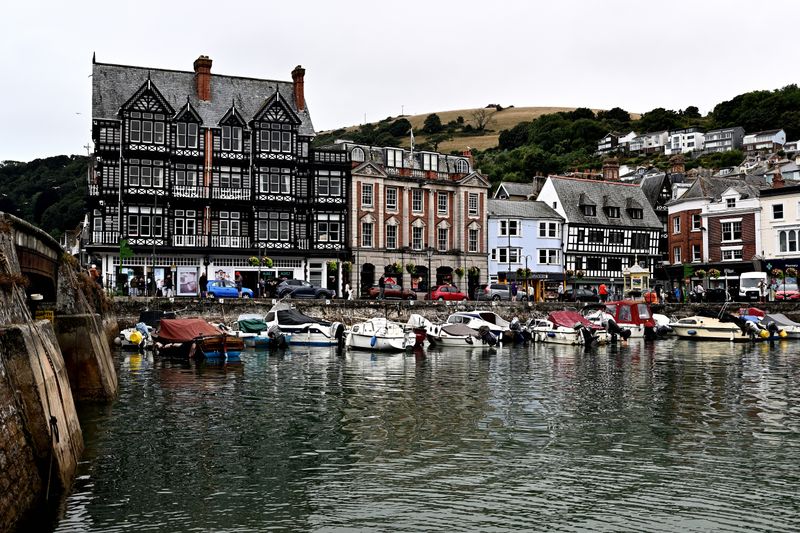
Harbour towns grew building by building over centuries, constrained by the shape of the land, which produces narrow, irregular streets and abrupt changes of level.
Where a resort was grafted onto an existing port, the join is obvious. The regular grid stops at a line and the old tangle begins.
The seasons behave differently
A resort's economy is built on visitors, so out of season a large share of its capacity closes and the population falls sharply.
A harbour town retains work that continues regardless: boats, processing, freight or ferries. Fewer businesses close entirely because fewer depend solely on visitors.
The practical consequence is that a resort in February can be shuttered while a working port a short distance away is fully open but not aimed at you.
Each has a characteristic failure
Resorts that lost their market are left with large buildings designed for a volume of visitors that no longer arrives, which is expensive to maintain and hard to repurpose.
Harbour towns that lost their fleet keep their buildings, which are small and adaptable, but lose the trades and the year-round employment that supported them.
Recovery paths differ accordingly. Resorts tend to be redeveloped in large blocks; harbour towns tend to be converted one building at a time.
Choosing between them
A resort delivers beach access, level walking, and a predictable range of services concentrated along one line. Everything is designed to be found without local knowledge.
A harbour town offers a working waterfront, better food from a smaller number of places, and steep streets that are hard work with luggage.
Neither is the better trip in general, but they suit different weeks, and the mistake is booking one while expecting the other.
Questions readers ask
When is the best time to watch a harbour working?
Usually early morning, but the specific hour depends on the tidal window and the market. Ask locally rather than assuming, since the time shifts through the month.
Can I buy fish directly from a boat?
Sometimes, where local rules permit and the port has arrangements for it. In many places direct sales are restricted, so a harbour shop or cooperative is the reliable route.