Harbour Towns
Every Working Port Has a Border Running Through It
Ports are legal boundaries as well as physical ones, and customs zones, fenced areas and reporting rules explain why parts of a quay are simply closed to you.

A working port is a point where goods and people enter a country, and that gives it a legal geography as well as a physical one. Much of what looks like arbitrary fencing follows from it.
The waterline is a boundary
Anything arriving by sea crosses a frontier at the quay, whether or not the voyage was international. The port is where that crossing is administered.
Customs and immigration functions therefore have a physical footprint: controlled areas, inspection space, and a route that arrivals must follow.
Even in ports with almost no traffic, the powers remain and the designated areas remain marked, which is why small harbours have official-looking buildings that appear unused.
Bonded storage explains some old buildings
Goods on which duty has not yet been paid must be held in secure, supervised premises. Historically that meant purpose-built warehouses under lock and seal.
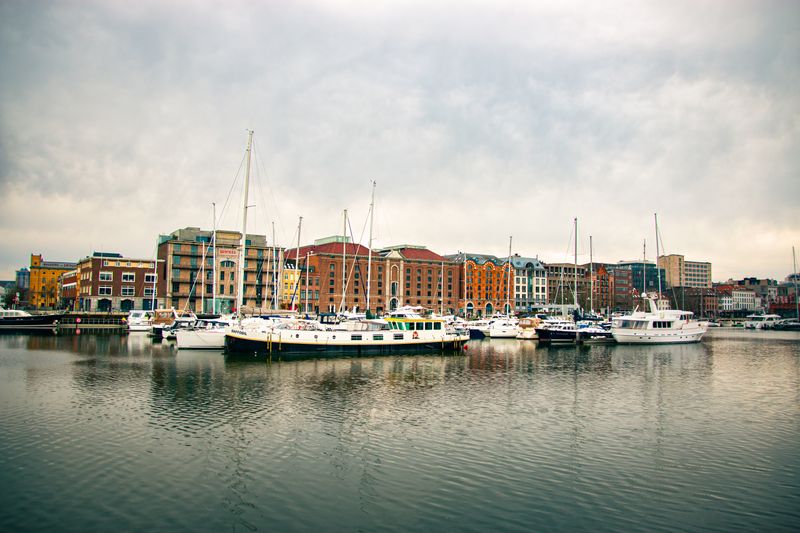
Those buildings are distinctive: heavy construction, few windows, strong doors and a position immediately behind the quay to minimise the distance goods travelled.
Many now house museums, flats or bars, and the original function is often still legible in the doorways and the cranes bracketed to the upper walls.
Small craft have obligations too
A private boat arriving from another country generally has to report its arrival, and there are usually designated berths or points where that happens.
Flags, forms and phone calls are involved, and the rules vary by country and change over time, so the practice is to check the current requirement before departure rather than on arrival.
Failure to report is treated seriously even where the boat is small and the crossing short. The obligation attaches to the crossing, not to the size of the vessel.
Security rules created the fences
International requirements introduced controlled zones around commercial berths, with access limited to people with a reason to be there and a pass to prove it.
This is why a quay that was walkable within living memory may now be behind a gate, and why photography is sometimes challenged in port areas.
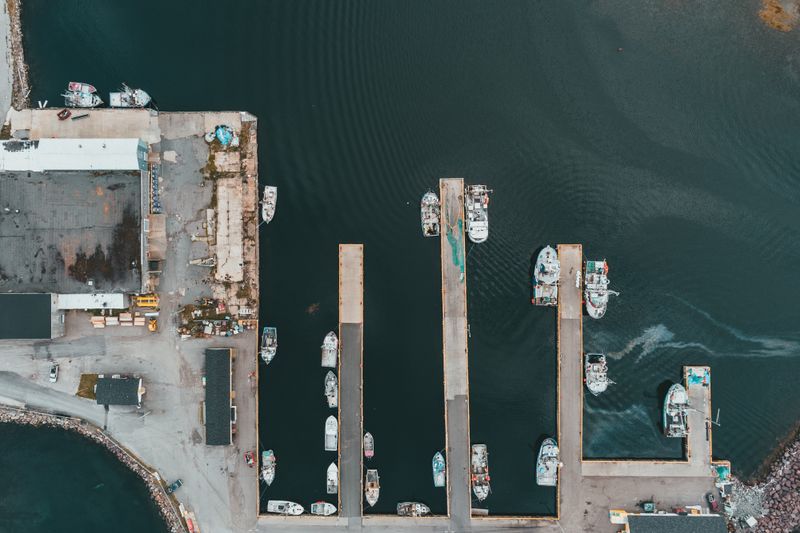
The restriction applies to the operational area rather than the town, but in a compact harbour those two things overlap and the fence lands in an awkward place.
Fisheries add another layer
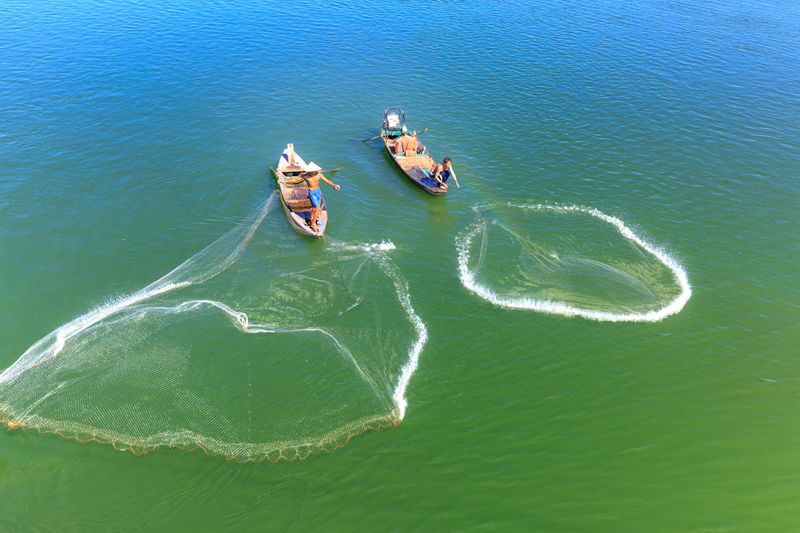
Landings are recorded, weighed and reported because catch is managed by quota, and designated ports exist specifically so that recording can happen consistently.
That paperwork is why a boat may wait to land, and why fish moves through a controlled route rather than being sold over the side.
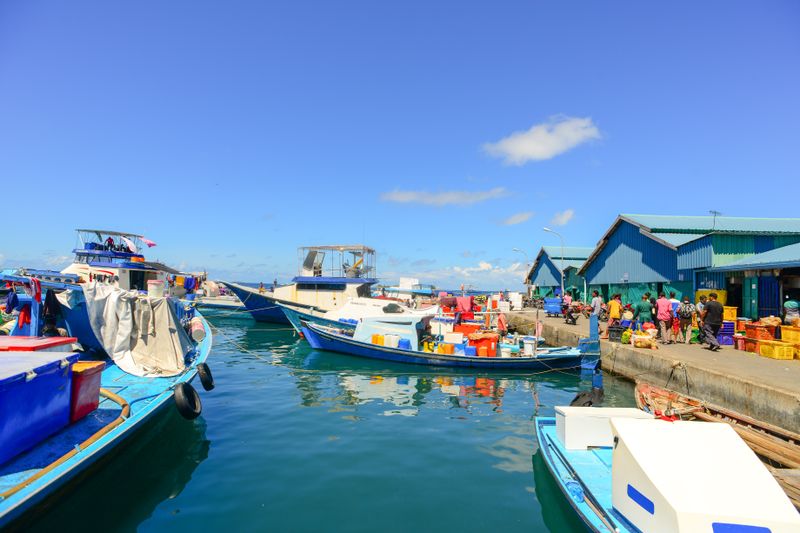
The visible result is a working quay that operates like a customs area rather than a market, which surprises visitors expecting to buy directly from the boat.
Questions readers ask
When is the best time to watch a harbour working?
Usually early morning, but the specific hour depends on the tidal window and the market. Ask locally rather than assuming, since the time shifts through the month.
Can I buy fish directly from a boat?
Sometimes, where local rules permit and the port has arrangements for it. In many places direct sales are restricted, so a harbour shop or cooperative is the reliable route.