Harbour Towns
Marinas and Fishing Fleets Compete for the Same Water
Leisure berths pay more per metre than trawlers do, so sheltered harbour space shifts towards yachts, and the shore facilities the fleet depends on go with it.

Sheltered water is the scarce resource in any harbour town, and two very different users want it. How the space is divided shapes the whole town behind the quay.
The economics point one way
A marina berth generates a predictable annual fee from an owner who uses the boat occasionally. A fishing berth generates dues that vary with catch, weather and season.
For a harbour authority with maintenance costs to cover, the steadier income is easier to plan against. That logic pushes towards leisure berthing wherever a fleet is shrinking.
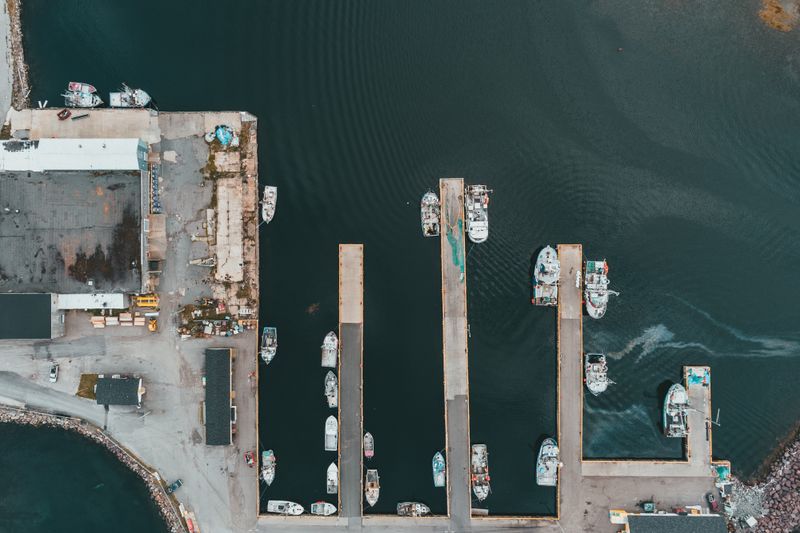
The conversion is rarely a single decision. Pontoons are added in a corner, then extended, and the working area contracts gradually over years.
The two uses need different things
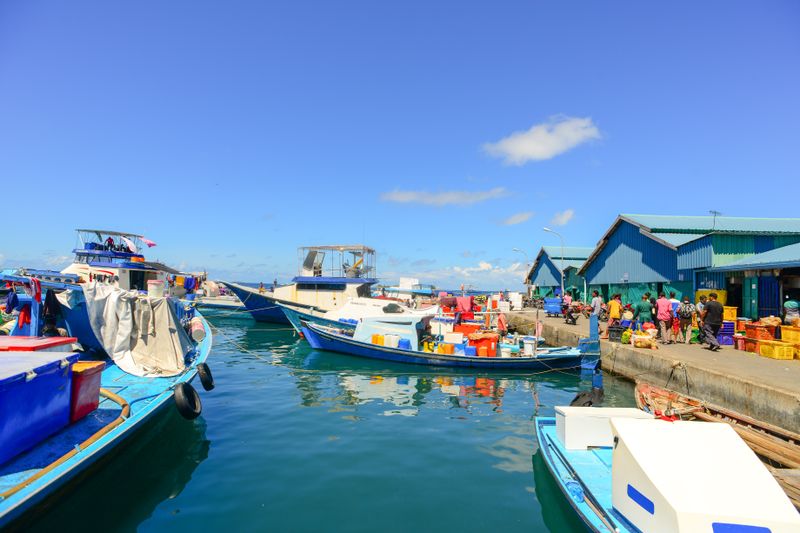
A fishing boat needs quayside space for gear, room to unload directly to a vehicle, ice, fuel and somewhere to land at any state of tide.
A yacht needs a finger berth, power, water and a locked gate. It does not need the quay itself and it does not want lorries beside it at four in the morning.
Where both are present, the friction is over the hard standing rather than the water. Gear takes space, and space beside a pontoon is worth more as parking.
Losing the shore facilities is what ends a fleet
Boats can work from an awkward berth, but not without ice, fuel and a merchant to buy the catch. Those services need volume to stay viable.
Once the fleet drops below the level that supports them, the remaining boats have to travel to another port to land. Some then relocate permanently.
This is why the number of boats is a poor indicator on its own. The presence or absence of the supporting trades tells you far more about the direction of travel.
Marinas change the town as well as the water
Leisure berths bring spending ashore in a different pattern: chandlery and repair work, restaurants, and demand for short-term accommodation close to the water.
They also change the calendar, concentrating activity into the sailing season rather than spreading it across a year of fishing that never entirely stopped.
The buildings follow. Net lofts and stores become flats and cafes, which is visible in the upper floors long before it is visible at water level.
Some harbours hold both deliberately
Where a working fleet is treated as an asset rather than a legacy, harbours ring-fence quay space, keep landing facilities in public hands and set dues accordingly.
The reasoning is partly economic, since a genuine working harbour draws visitors that a row of pontoons does not, and partly about keeping the option open.
A fleet that leaves does not come back. Once the ice plant is gone and the quay is a car park, the reversal is far more expensive than the protection would have been.
Questions readers ask
When is the best time to watch a harbour working?
Usually early morning, but the specific hour depends on the tidal window and the market. Ask locally rather than assuming, since the time shifts through the month.
Can I buy fish directly from a boat?
Sometimes, where local rules permit and the port has arrangements for it. In many places direct sales are restricted, so a harbour shop or cooperative is the reliable route.