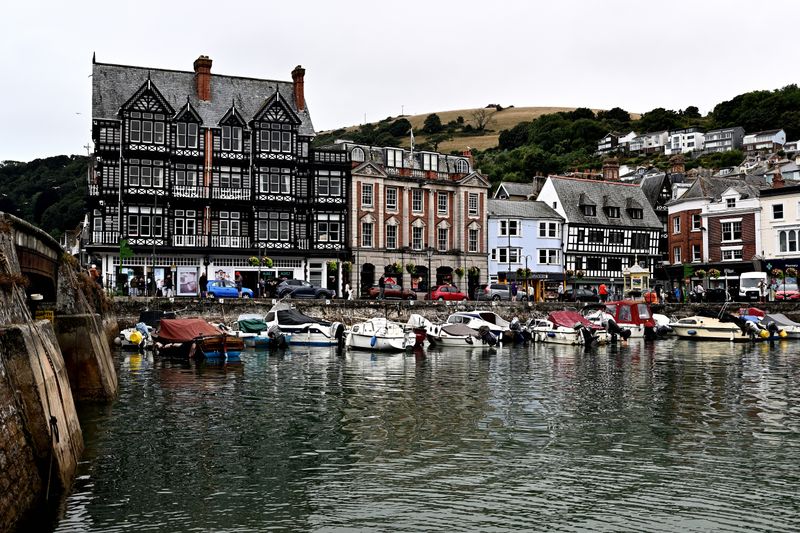
Harbour Towns
Standing in the Wrong Place on a Working Quay
A fish quay is an industrial site with no fence around it, and most of what can go wrong there is invisible until it happens.

There is a short answer about quayside safety and etiquette and a useful one, and they are not the same. What follows is the useful one.
The short version
- Mooring lines under load release energy along the line's direction if they part.
- Quay edges are usually unfenced and ladders are widely spaced.
- Machinery movement takes priority and operators often cannot see behind them.
It is a workplace that happens to be scenic
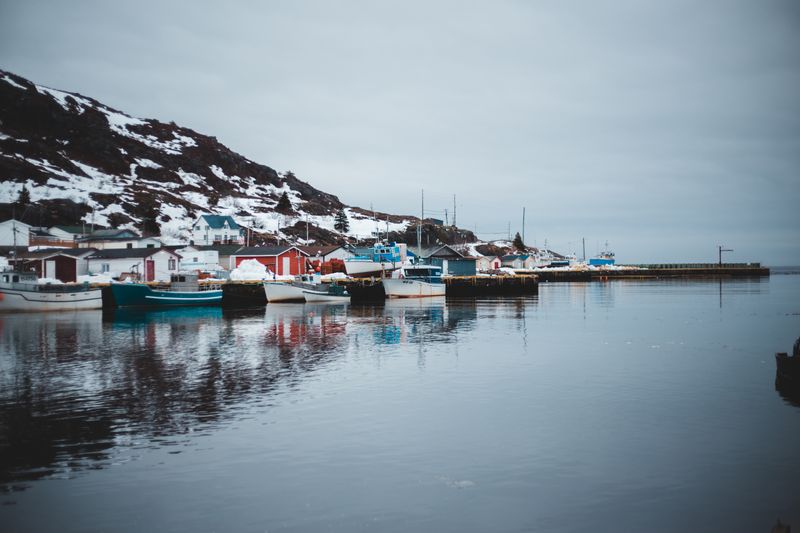
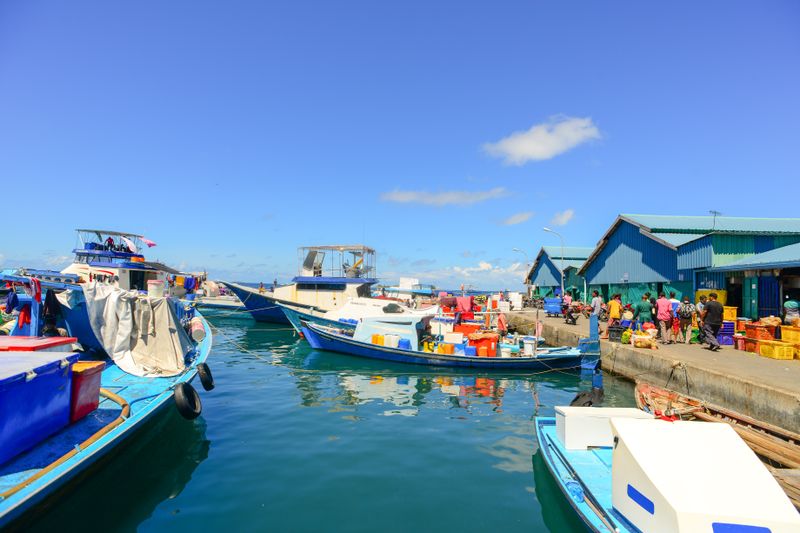
Fish quays, cargo berths and slipways are operational areas where vehicles, cranes and boats move continuously. There is rarely a barrier between the public and the work, because the work needs the whole surface of the quay. Visitors are usually welcome to watch, and in many ports that welcome depends on people staying out of the way.
The hazards are not signposted to the standard of a construction site, and the surface is not designed for spectators. Treating the quay as a working area rather than a viewpoint solves most of the problem before it arises.
Ropes under load
A mooring line holding a vessel against wind or tide can be carrying an enormous load without looking like it. If a line parts or slips a bollard, it releases that energy suddenly and travels along its own direction. The area either side of a loaded line is therefore a place that people who work on quays instinctively avoid.
Before the first ferry, lines also come tight without warning as a vessel moves, and a slack rope across a quay can lift sharply. Stepping over ropes, standing in a bight or sitting on bollards are the three things that most reliably attract a shout.
Machinery and the things that reverse
Forklifts moving boxes of fish work fast, turn tightly and have a driver whose view is blocked by the load. Cranes, hoists and ice chutes operate over the quay edge, and material can fall from any of them.
Reversing lorries on a busy quay rely on a banksman and on everybody else predicting where they will go. Small boats coming alongside need the space at the ladder or the steps, and a person standing there is an obstruction. The general rule that works everywhere is to keep moving, keep to the landward side and never stand in a gateway.
The edge itself
Quay edges are typically unfenced, because a fence would prevent the loading that the quay exists for. Ladders are set at intervals that suit vessels rather than people, so the nearest one may be a long way off. The drop varies with the tide, and on a big range it can be several metres at low water on the same edge.
Fenders, ropes and gaps between quay and hull create spaces that nobody would choose to fall into.
This article does not cover what to do if somebody goes in; that is a matter for local emergency services and their published guidance.
Surfaces that are worse than they look
Fish slime, ice melt, diesel and algae combine into a surface with almost no friction, particularly in the shade. The wettest part of a fish quay is usually right at the edge, where the boxes and the hoses are.
On the water, cobbles and setts in older harbours are slick when damp and uneven enough to catch a foot. Slipways below the high water mark grow algae and become dramatically slippery on the part that dries between tides. Footwear with actual grip is the difference between watching a landing and becoming part of it.
How to watch without getting in the way
Ask before going onto a berth, and accept a no without negotiation, since it usually concerns insurance or a movement. Photograph people only with a word first, which in most ports gets a friendly response and sometimes an explanation. Keep children and dogs on the landward side, well back from edges, ropes and anything with a wheel.
Early morning is when most fish quays are working, and standing at the head of the quay sees everything. Where a port marks a restricted area, that boundary is a legal one under port security rules rather than a suggestion.
The takeaway
On a working quay, keep to the landward side, stay out of the line of every rope, and ask before you step aboard anything.
Weather is the itinerary. Everything else is a preference.
Questions readers ask
Is it acceptable to walk along a fish quay at all?
In most small ports, yes, provided you stay clear of the work and follow any marked restrictions. Larger commercial and ferry ports are fenced under security rules and are not open to the public at all.
Why do harbour workers object to people sitting on bollards?
A bollard can be needed at no notice for a line, and a rope coming tight around it is not something to be sitting on. It is a piece of equipment rather than street furniture.